
Chasing budget luxury resorts in Muscat means you notice the small stuff first, and right now I’m watching a laborer in a faded orange vest hand-mixing cement in a wheelbarrow outside a five-star tower that already advertises rooms at premium rates. He’s from South Asia. Most of them are. The men laying the imported stone here rarely come from the country whose skyline they’re building.
Oman Air dropped me at Muscat International a day ago. Clean terminal, quiet, efficient. Then I misread the local bus schedule near Ruwi and lost an hour standing in the industrial guts of the city. That accident turned out useful. Instead of the polished waterfront, I got the loading yards, the diesel fumes, the sound of rebar being cut with an angle grinder that screams over the call to prayer.
Here’s the economics nobody puts in the brochure. Oman has cement plants of its own, Raysut and others feeding the domestic boom. That concrete is local. But the marble cladding on these resort lobbies? A lot of it is trucked or shipped in, and Oman itself does quarry stone, though the polished decorative slabs often arrive from abroad to hit that specific hotel-lobby look. The structural steel is largely imported too. You can’t fake that gleam with local aggregate alone.
So you get this split-screen reality.
On one side, half-finished luxury towers along the coastal stretch, scaffolding still wrapped, cranes idle by midday heat. On the other, concrete-block housing where actual Omani families and the migrant workforce live. Simple flat roofs. Satellite dishes. Water tanks baking on top. The gap between the two isn’t dramatic. It’s just there, plainly, a few hundred meters apart.
The air smells of hot dust and cut stone, and underneath that, cardamom from a tea stall where a Bangladeshi man pours karak into small glasses for the equivalent of pocket change. That glass of tea costs less than the parking fee at the resort down the road.
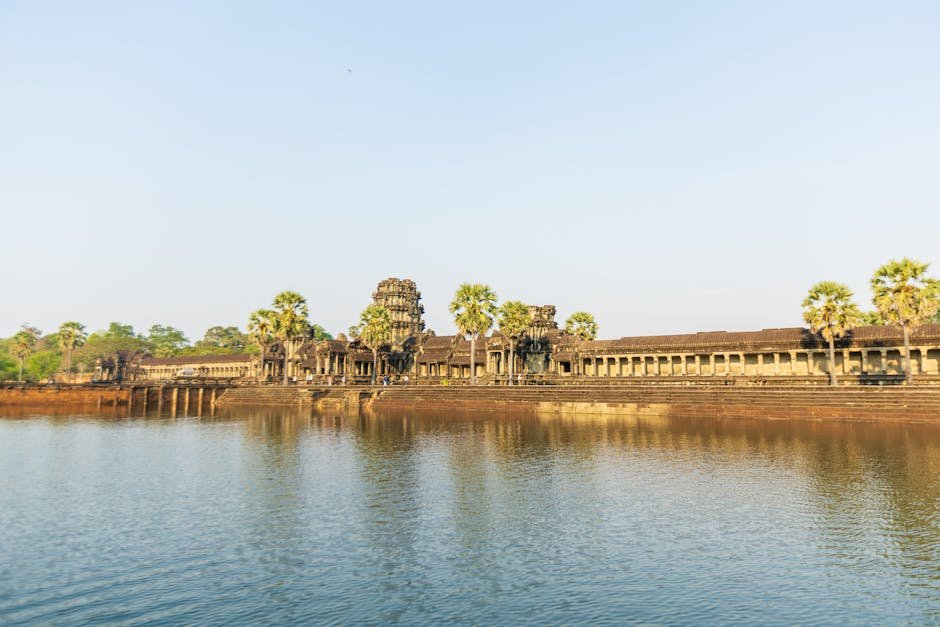
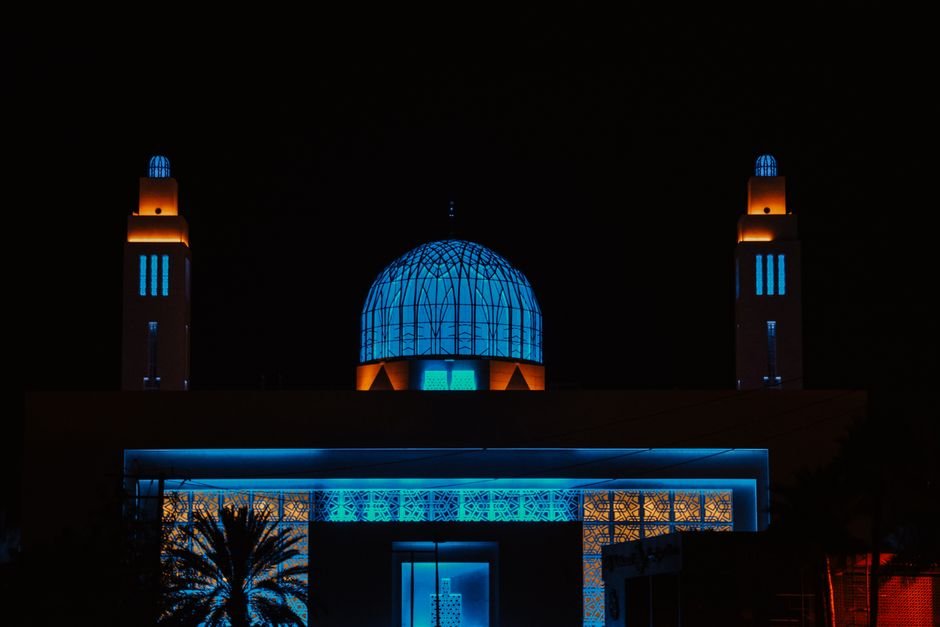
Muscat isn’t a manufactured tourist town yet. The Sultan Qaboos Grand Mosque, the old Mutrah waterfront, the Portuguese-era forts of Al Jalali and Al Mirani guarding the harbor, these are real, functioning history. The resorts are the new layer, still curing, still deciding what they want to be. Over the next entries I’ll dig into where the money actually goes, and whether budget travelers can slip into the cracks between the two economies.
💡 Traveler’s Pro Tip: This is one of those lessons I only learned after a few rough experiences. Now, I always rely on Kiwitaxi for pre-booking reliable airport transfers to avoid local taxi scams. It eliminates so much unnecessary stress when you’re on the road.
Want to dig deeper? For more historical context and detailed information about Muscat, you can read more on Wikipedia.
💻 The Nomad’s Tech Stack
People often ask what keeps this site running smoothly no matter where I am in the world. I rely on Hostinger for hosting. It’s stayed rock-solid even when I’m uploading heavy media files from questionable hotel wifi.
Tracking Budget Luxury Resorts Down to the Quarry
The stone doesn’t lie. Walk the coastal stretch near Al Mouj and you notice it fast: the pale limestone facing on the new resort blocks isn’t imported. It’s local, hauled from the interior quarries around the Hajar foothills, cut and polished in workshops that sit an hour’s drive inland. That matters for your wallet. The reason budget luxury resorts exist here at all is that raw material logistics are short. Nobody is shipping Italian slabs across an ocean. The developers use what’s underfoot, and the savings trickle into room rates that undercut the glossier Gulf destinations two hours away by plane.
Following the Money Behind the Facade
Here’s the uncomfortable part. The men laying that limestone mostly aren’t local. The construction crews come from the subcontinent, housed in low blocks well away from the beachfront, working long shifts in heat that peaks past 40°C in summer. The finished towers gleam. The labor camps a kilometer back do not. You see the split plainly along the road toward Qurum Beach, where a completed hospitality block stands beside a lot of unfinished floors, exposed and empty, waiting on the next funding tranche. Half-built luxury next to plain block homes with laundry strung across balconies. This is the real economic picture of budget luxury resorts in an emerging market: the polish and the scaffolding coexist because the money arrives in uneven waves.
Insider Tip 1: Skip the taxis from the airport, which run 8-12 OMR into the coastal resort zone. The Mwasalat public bus network route toward the city center costs roughly 500 baisa (half a rial). It’s slower but honest, and it puts you shoulder to shoulder with the actual workforce.
Sleeping Cheap Beside the Glossy Blocks
I skipped the beachfront package deals. Instead I booked into the Mysk Al Mouj Hotel at around 45 OMR per night off-season, which is genuinely low for this address given the marina location. The staff at reception were unhurried and specific: one clerk drew me a walking map to the local grocery instead of steering me toward the hotel restaurant, which tells you something about the hospitality culture here. Compare that to the all-inclusive coastal resorts charging 120-180 OMR nightly for a half-board plan you’ll barely use, because the good food is outside the gate anyway. The math on budget luxury resorts only works if you refuse the padded packages.
Insider Tip 2: Off-season here runs roughly May through August. Rates on the same room drop 40-50% because the heat scares off the crowds. If you can handle the temperature, that’s your window.
Comparing the Coast to Its Quieter Rival
Why choose this coastline over the alternatives? Practically, it comes down to value density. The emerging resort strip here delivers marina-adjacent rooms, fresh grilled fish at local counters for under 3 OMR a plate, and genuine local architecture within walking distance. The nearby interior town of Nizwa, two hours inland, wins on history and its restored fort, and it’s cheaper still, but it has almost no coastal hospitality infrastructure. You trade the sea for the mountains. For most travelers weighing budget luxury resorts against a purely cultural inland stop, the coast gives you both water access and proximity to older sites without the isolation. Nizwa is the value pick for a purist; the coast is the balanced pick.
The construction economics reinforce this. Because the limestone, the labor pipeline, and the port for finishing materials all sit close, per-room build costs stay lower than in flashier neighboring emirates. That’s not marketing. That’s why a marina room costs what a mid-range chain would cost inland elsewhere.
Planning the Practical Four-Day Route
My plan was tight: a four-day coastal-and-heritage loop. Day one, the marina and the local fish counters. Day two, the old quarter and the souq lanes for spice and textile watching, no purchases, just observation of how goods move. Day three, an inland day trip to see where the resort stone actually gets cut. Day four, slow morning, late checkout, bus back. Total accommodation spend under 200 OMR for four nights, food under 40 OMR, transport under 15 OMR.
Insider Tip 3: The inland quarry-region day trips aren’t formally sold. Ask your hotel’s driver directly; expect to negotiate around 35-40 OMR for the full day, fuel included. It’s the one splurge worth making because it shows you exactly why the budget luxury resorts on this coast can charge what they charge. The stone tells the whole story if you go see where it’s born.
Final Entry: The Ledger Behind the Facade
The wind off Al Ghubrah carries dust and diesel this afternoon. I stood at the edge of a half-built resort strip near the Bausher expansion zone and did the math I actually came here to do.
Where does the stone come from? I asked three men laying floor tile. Two spoke Malayalam, one spoke Bengali, and between broken English and hand gestures I learned the polished slabs arrive by container through Sohar’s port, trucked south on flatbeds that clog the Sultan Qaboos highway at dawn. The finish is imported. The frame is local aggregate. The labor lives forty minutes inland in shared rooms.
Here is the split that defines Al Khuwair. On one side of the road, glass-fronted lobbies promising budget luxury resorts to anyone booking three months ahead. On the other side, low grey homes with laundry lines and children’s bicycles. Same street. Different economy entirely.
The hidden cost I traced today: that headline nightly rate. Advertised at 38 rials. Add the 4% tourism levy, 5% municipality fee, 5% VAT, and the “service charge” nobody itemizes until checkout. Real total climbs near 48 rials. My rented flat in a working district ran 14 rials a night, laundry included, keys handed over by a landlord who fed me dates in his own kitchen.
Budget luxury resorts here sell proximity to a coastline the local families access for free. That is the whole trick. You pay for the wall, not the view.
Practical takeaway: book direct, ask for the all-in figure in writing, and stay a district back from the water.
Tomorrow I move toward Al Amerat, past the pass, to see how the newer developments creep into the valleys and what the residents there actually pay to live beside them.
🎧 Listen to my travel diary:

More from my travel diary:
Share This Diary Entry
Disclosure: Some links in this post are affiliate links — if you make a purchase through them, I may earn a small commission at no extra cost to you.
Quick disclaimer: This diary reflects personal experience and is meant to inform, not replace official guidance. Please verify local rules, safety advisories, and schedules yourself. Some links here are affiliate links.