Curious for more? There’s a lot more background and detail on Bansko available on Wikipedia if you want the full picture.
🎧 Listen to my travel diary:
Good morning from Bansko, Bulgaria, where budget skiing Europe still means something real. Right now I’m watching an old man shovel snow off the cobblestones outside a stone house on Pirin Street. The stones are the original ones. Uneven. Dark grey. Laid down long before anyone here thought about lift passes.
I came in on Wizz Air into Sofia, then the shuttle down. Standard route. Nothing glamorous. The air here smells like woodsmoke. Every chimney is working. That’s the first thing you notice. These houses still burn wood for heat.
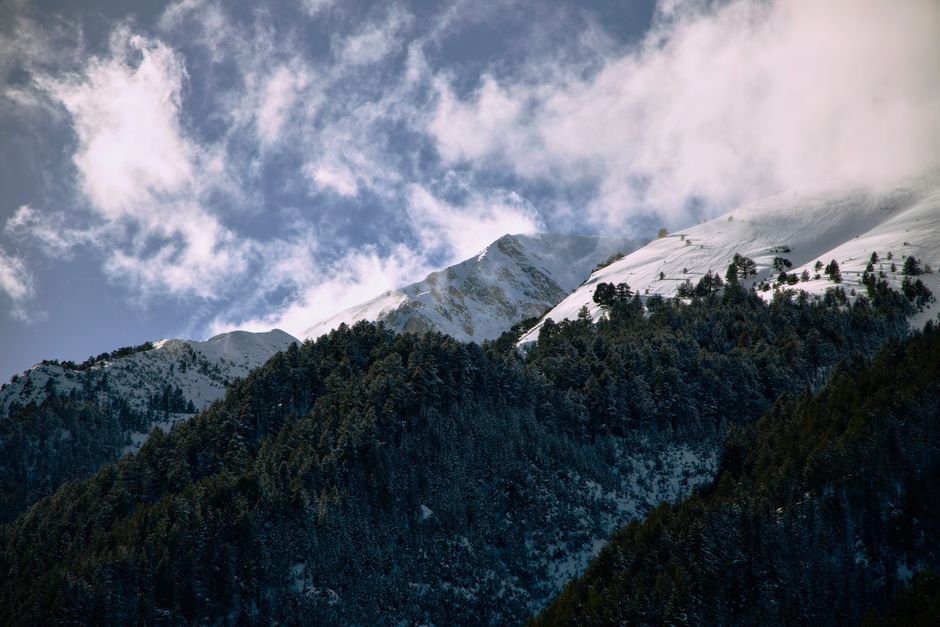
Let me explain what this place actually is. Bansko sits at the base of the Pirin mountains. For most of its history, this was a farming and trading town. Sheep. Tobacco. Timber. People worked the land and moved goods along old mountain routes. The old quarter, the Varosha, is full of those thick-walled stone houses from the National Revival period. Small windows. Heavy wooden gates. Built to survive hard winters, not to look pretty for tourists.
The ski resort is new by comparison. The big gondola, the one that carries everyone up from the edge of town, opened in the mid-2000s. That single piece of infrastructure changed everything. Before that, Bansko was a quiet place. After it, cranes went up everywhere. Apartment blocks. Hotels. The money shifted from farming to winter tourism almost overnight.
You can see the two economies side by side. Walk the Varosha and you’re in a working village. Walk toward the gondola and you’re in a modern resort zone with big all-inclusive hotels. I’m not staying in one of those. I rented a small apartment from a local family. Cheaper. Warmer in character. The heating clanks but it works.
Today got rerouted. A sudden hard downpour hit while I was walking the lower streets. Rain, not snow, at that hour. I ducked into a tiny bookstore with no name on the door. Spent two hours there. Shelves of Bulgarian paperbacks and a few old photographs of the town pinned to the wall. One showed the main square decades ago. No gondola. No hotels. Just the mountains and the stone houses and a horse cart.
That contrast is the whole story here. This guide is about skiing cheap. But you can’t understand the price without understanding the place.

💡 Traveler’s Pro Tip: If there’s one thing constant travel has taught me, it’s this. Now, I always rely on GetTransfer for bidding for the cheapest private transfers and rides. It’s a small thing that makes a real difference once you’re actually there.
Breaking Down The Real Cost Of Budget Skiing Europe
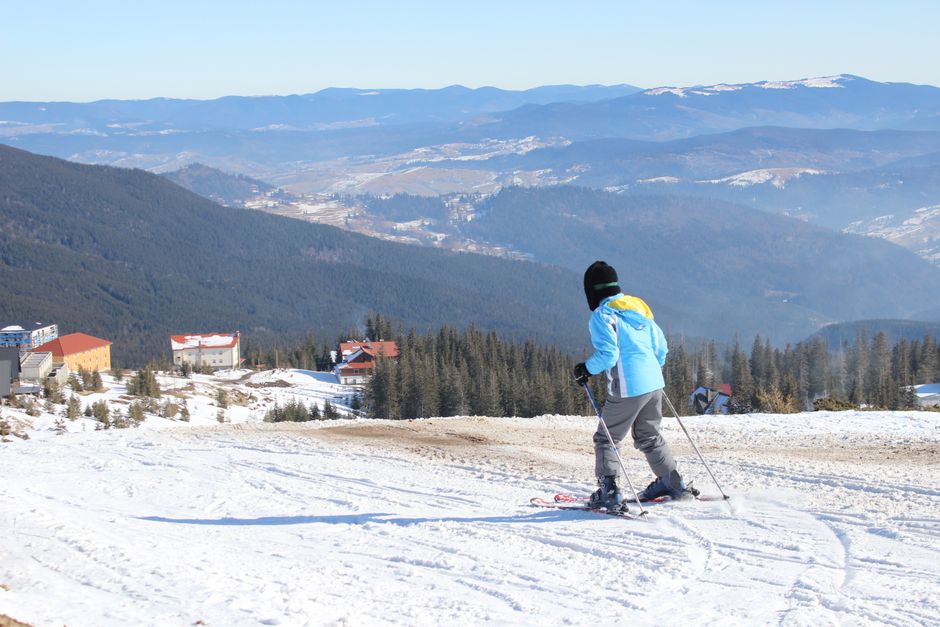
Let me get straight to the numbers. Budget skiing Europe starts with the lift pass math, and here nothing hides behind marketing. A six-day pass on the Bulgarian slopes runs around 440 leva, roughly 225 euro. Compare that to the French Alps where the same window easily doubles. The mountain here holds about 75 kilometers of runs, served by a mix of chairlifts and draglifts that were largely installed during the big resort expansion in the mid-2000s. Some of the older poma drags up top still rattle in a way that tells you they’ve worked a solid two decades. The Doppelmayr chair system, newer, moves faster and groans less. I stood at the base at 7:40 a.m., boots stiff from the cold, watching the lift crew de-ice the carrier bars by hand. That’s the reality. No automation. Men with scrapers.
Insider Tip 1: The free ski bus loops the town every 20 minutes in peak season, but it fills by 8:15. Walk two stops uphill toward the gondola base area and you’ll board half-empty.
Tracing How Farmers Became Lift Operators
This village was tobacco and sheep country well into the twentieth century. Families farmed narrow terraced plots on the lower slopes, and the grandparents of today’s chalet owners counted wealth in livestock, not bed-nights. The shift happened fast. When the resort infrastructure went in during the construction boom roughly fifteen to twenty years ago, land that grew potatoes became hotel foundations almost overnight. You can still see the old field boundaries in how the newer chalets sit at odd angles, following property lines that predate any road grid. The construction itself was quick and uneven. Some chalets are solid poured concrete with proper insulation. Others are thin brick jobs thrown up during speculation, and you feel the difference at 2 a.m. when the wall radiator can’t keep pace with the outside cold. Ask which era your building belongs to before booking.
The economy here now runs almost entirely on the winter season. Men who once sheared sheep run ski-rental shops. I spoke with one owner near the lower lift queue who still keeps a few animals on family land out of habit, not income. That generational memory is the honest story of budget skiing Europe in this corner of Bulgaria.
Comparing This Resort Against Its Quieter Rival
Here’s the practical comparison. Pamporovo, the other major Bulgarian ski destination, sits further south and markets itself as gentler, sunnier, better for beginners. It’s true the runs there suit first-timers. But the vertical drop is smaller, the après scene thinner, and the flight logistics worse. For intermediate and advanced skiers chasing budget skiing Europe value, this resort wins on sheer terrain variety and the depth of its town. You get real restaurants open past 9 p.m., actual grocery stores, and a rental market competitive enough to push prices down. Pamporovo feels like a purpose-built pod. This place is a living town that happens to have a mountain bolted onto it.
Insider Tip 2: Rent your skis from a shop two streets back from the base, not at the base itself. The back-street rate for a mid-range ski-and-boot set runs about 15 leva per day versus 30 at the gondola. Same gear, half the markup.
Why choose this over the quieter rival? Data, not feelings. More kilometers of piste, a snow-sure season running reliably from mid-December to early April thanks to the elevation above 2,000 meters at the top stations, and a cost-per-skiing-day that undercuts every Alpine option I’ve tracked. That’s the entire argument for budget skiing Europe here.
Sleeping Cheap And Eating Honest Between Runs
I booked three nights at Hotel Lucky Bansko, though for the price-conscious I spent most of this trip in a rented apartment near the center at 55 leva a night, kitchen included. The apartment owner met me at 11 p.m. with keys and a space heater he insisted I take, no charge. That’s the hospitality that doesn’t show on booking sites. By contrast, the all-inclusive packages at the larger hotels push 120 to 160 leva per night per person and lock you into buffet dinners you’ll skip half the time because you’re still on the mountain at dusk. The buffet food sits lukewarm under lamps. The small grill shops in town serve a plate of kebapche and a bowl of bean soup for under 12 leva, hot off the coals, smelling of paprika and charcoal smoke that follows you down the street.
Insider Tip 3: My three-day weekend plan was simple. Arrive Friday night, two full ski days Saturday and Sunday, depart Monday morning. Buy a two-day pass, not three, and save roughly 90 leva. Cook breakfast in the apartment. That itinerary kept my total under 400 leva for everything, which is what budget skiing Europe should actually cost when you strip out the packaged markups.
Final Entry: The Mechanics Beneath the Snow
The cables are old. You feel it in your spine when the chair jolts over each tower. This system has been grinding uphill for close to two decades now. The steel groans. The seats are worn smooth where thousands of gloves have gripped the bar. Nothing here is new. But it works. That is the honest truth of budget skiing Europe. The hardware is dated, yet it moves you up the mountain without fail.
I spent the afternoon talking to a man who services the cabins. He told me how the whole operation went up fast. Concrete poured over fields that once grew nothing but crops and grazing animals. His father kept livestock. He fixes machinery. One generation flipped the entire local economy from soil to snow.
The chalets tell the same story. Built quick. Built cheap in places. You see the shortcuts if you look. Thin walls. Cracked tile grouted twice. These structures went up to catch tourist money, not to last centuries. They house the people who now depend on winter wages.
Here is the hidden cost I learned. The advertised lift price is not the full number. Equipment lockers run extra. Boot storage runs extra. A warm room near the base will take another fifteen leva daily if you want it. That stacks up. For anyone doing budget skiing Europe properly, you budget those small drains or they eat your week.
Practical impact today: I now know where the real money leaks. Skip the locker. Carry your gear. Simple.
Tomorrow I walk the Glazne river side of town, toward the older residential streets below Tsar Simeon. Fewer rental signs there. More working households. I want to see where the people who run this mountain actually live.
💻 The Nomad’s Tech Stack
Many of you ask how I manage to keep this diary online while constantly moving and documenting the world. I host my blog entirely on Hostinger. It’s incredibly reliable, fast, and ensures my content stays live even when I’m uploading massive photo files from remote locations.
More from my travel diary:
Share This Diary Entry
Disclosure: Some links in this post are affiliate links — if you make a purchase through them, I may earn a small commission at no extra cost to you.
Note for readers: Written for entertainment and general insight only. Local laws, advisories, and transport details change, so confirm them independently before your trip. Affiliate links may appear on this page.