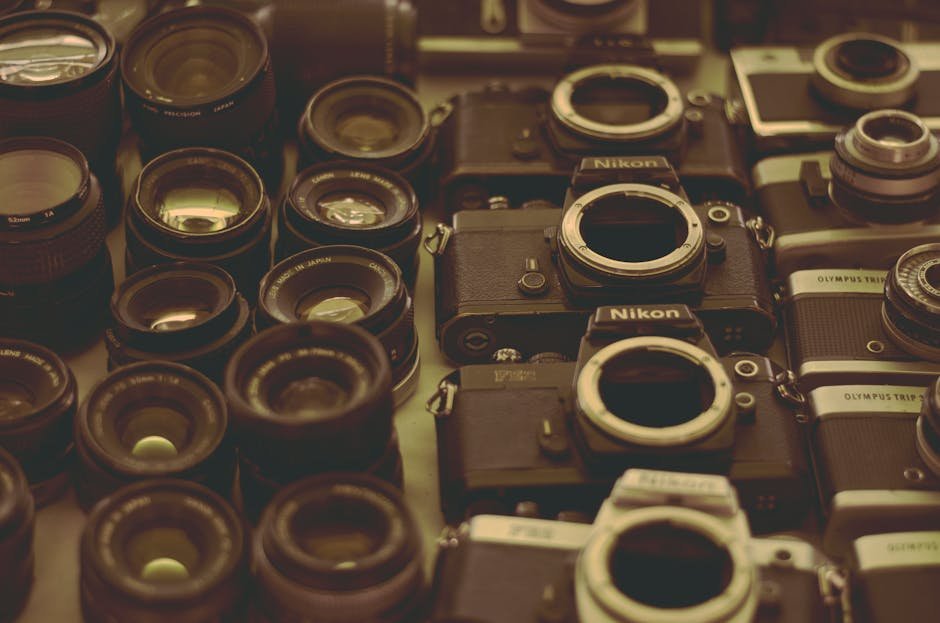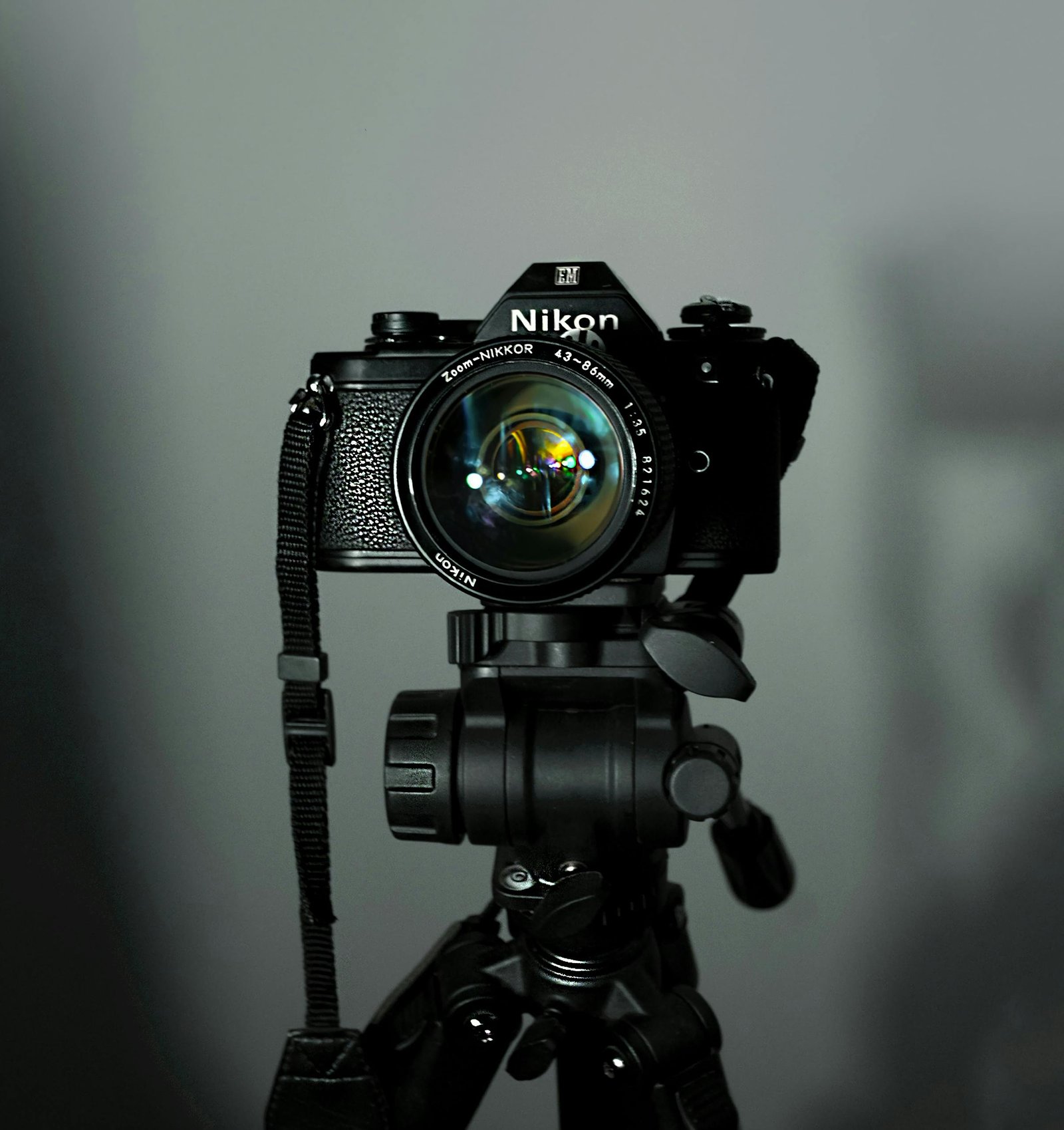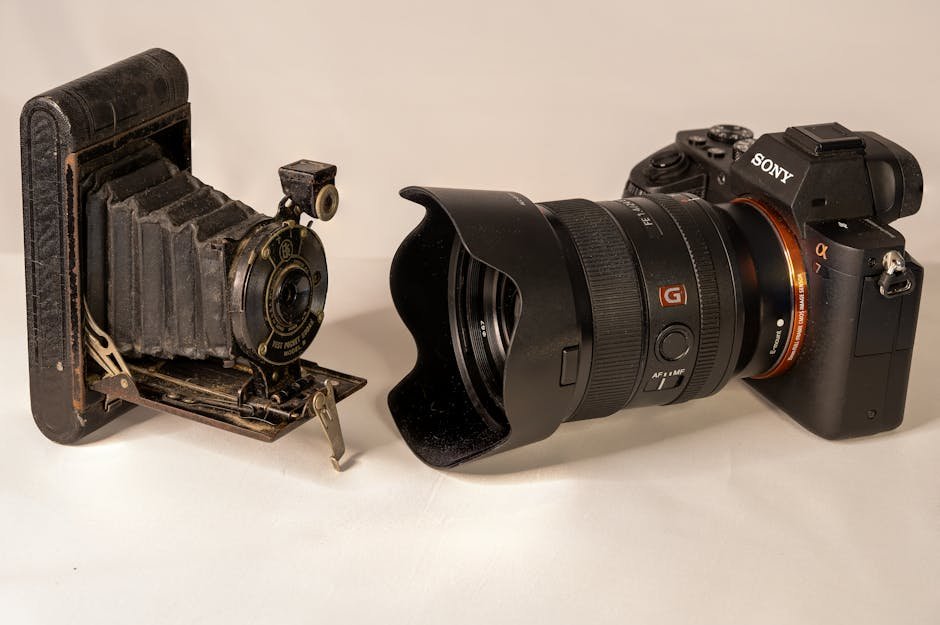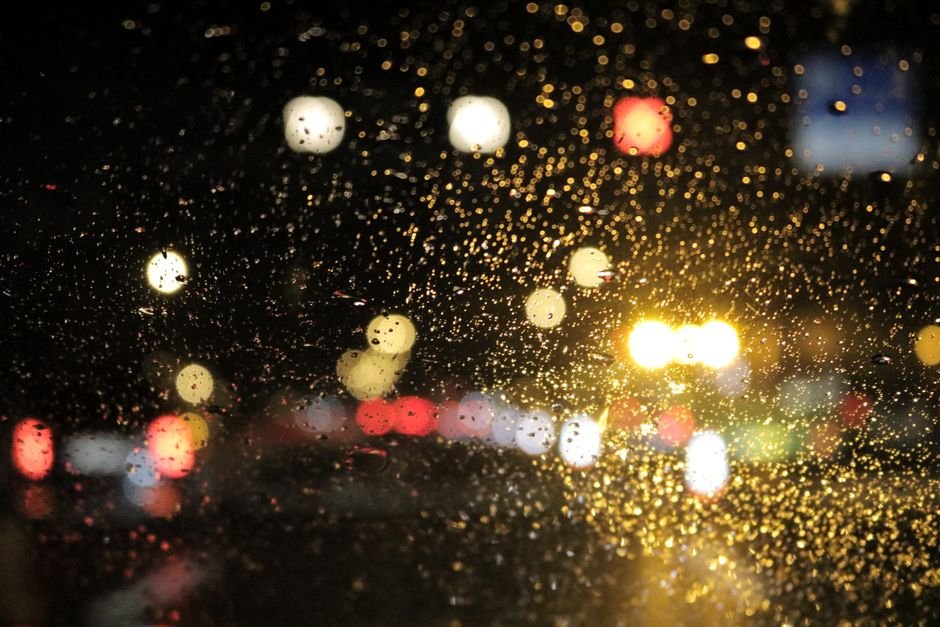

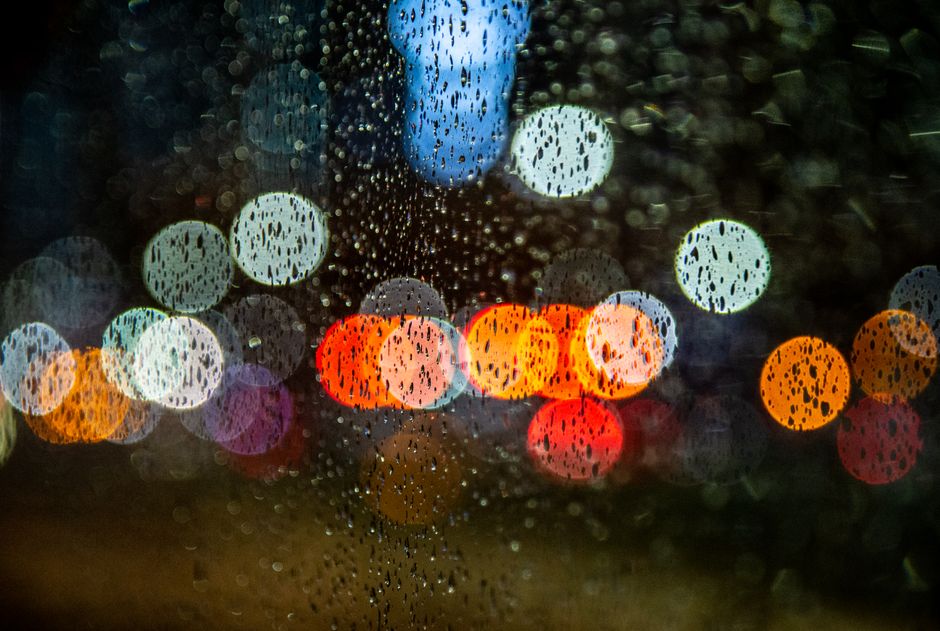
When it comes to bokeh photography: Understanding bokeh is essential for photographers aiming to add aesthetic quality to their images. Bokeh refers to the quality of the out-of-focus areas in a photograph and can significantly influence the overall feel of an image. This article will explore what creates bokeh, how to control it, and how to apply this knowledge practically in your photographic endeavors.
What Creates Bokeh?
Bokeh is primarily influenced by three factors: the aperture of the lens, the focal length, and the distance between the subject and the background. A wide aperture, such as f/1.4 or f/2.8, allows more light to enter the lens and creates a shallower depth of field, enhancing the bokeh effect. For example, lenses like the Canon EF 50mm f/1.4 USM or the Nikon NIKKOR Z 85mm f/1.8 S are excellent choices for achieving pronounced bokeh due to their wide maximum apertures.
Focal length also plays a crucial role. Longer focal length lenses, such as a 70-200mm, compress the background and magnify the bokeh effect. The Sony FE 70-200mm f/2.8 GM OSS is a popular option for those seeking smooth bokeh in their portraits or close-up nature shots.
Additionally, controlling the distance between the subject and the background can accentuate bokeh. The closer your subject is to the lens and the farther the background, the more pronounced the bokeh will be.
Controlling Bokeh Through Aperture Settings
The aperture is the most immediate way to control bokeh. By using a wide aperture, you can achieve a shallower depth of field that enhances the quality of bokeh. Aperture settings such as f/1.4, f/2.8, and f/3.2 are ideal for achieving pleasing bokeh. Conversely, stepping down to f/8 or f/11 will increase the depth of field, reducing the bokeh effect.
Beginners often make the mistake of shooting wide open in brightly lit conditions without considering the impact on exposure. It’s crucial to balance aperture with ISO and shutter speed settings. For instance, if you’re shooting at f/1.4 in bright sunlight, you may need to use a faster shutter speed, such as 1/4000s, or lower the ISO to 100 to maintain a proper exposure.
The Role of Lens Design
The design of a lens, including the number and shape of the aperture blades, greatly affects the bokeh quality. Circular aperture blades produce rounder bokeh circles, often seen as more aesthetically pleasing. For instance, the Fujifilm XF 56mm f/1.2 R features a rounded diaphragm that contributes to its smooth bokeh rendering.
It’s important to remember that not all lenses are created equal in terms of bokeh. Some may produce harsh, polygonal shapes, known as “nisen bokeh,” particularly when stopped down. Choosing a lens with rounded aperture blades helps mitigate this effect.
Common Mistakes and How to Avoid Them
A frequent mistake is assuming that any wide-aperture lens will automatically produce great bokeh. While the aperture is critical, poor lens design or incorrect settings can still result in less desirable bokeh. To avoid this, test your lens at various apertures and distances to understand its characteristics. Avoid overly busy or distracting backgrounds, as these can detract from the bokeh effect.
Another mistake is underestimating the impact of the focal length and subject distance. Always consider these factors in conjunction with aperture to enhance bokeh in your compositions.
Applying Bokeh in Real Shooting Scenarios
Let’s apply these concepts in a practical scenario: portrait photography. Imagine you are using a Fujifilm X-T4 with the XF 56mm f/1.2 R lens. To achieve a beautiful bokeh, position your subject at a comfortable distance from a blurred background. Set your aperture to f/1.2 to maximize background blur. If the background is too bright, adjust your ISO to 200 and shutter speed to 1/2000s. This combination will help isolate your subject and enhance the bokeh effect.
For more detailed guidance, consider exploring resources like DPReview for camera and lens reviews or Nikon’s guide to aperture, shutter speed, and ISO for foundational exposure concepts.
In conclusion, understanding bokeh and how to control it involves a balance of aperture, lens design, focal length, and subject-background distance. Mastering these elements allows you to achieve the desired aesthetic quality in your images.

💻 The Nomad’s Tech Stack
One thing that never changes as I move from country to country: my hosting. I run this entire blog on Hostinger, and it’s held up reliably through every remote upload and time-zone switch.
For further reading: I’d recommend checking out Wikipedia’s page on Understanding bokeh: what creates it and how to control it for deeper historical and factual context.
More from my travel diary:
Share This Diary Entry
Quick disclaimer: This diary reflects personal experience and is meant to inform, not replace official guidance. Please verify local rules, safety advisories, and schedules yourself. Some links here are affiliate links.