Disclosure: This post may contain affiliate links, meaning I get a commission if you decide to make a purchase through my links, at no cost to you.
🎧 Listen to my travel diary:

Good morning from Cusco, Peru… The raw reality of Mountain Living hits you immediately as the first rays of sun pierce the thin air, illuminating the smoke curling from small hearths in the adobe homes clinging to the steep hillsides. My arrival with LATAM Airlines was straightforward, but navigating the city afterward was not. The primary public transport line was under maintenance, pushing my route through a labyrinth of narrow, winding streets in the outer districts. This forced detour provided an unfiltered view of daily life – children in school uniforms hurrying past, women tending small roadside stalls piled high with unknown tubers and vibrant textiles, the persistent scent of woodsmoke and roasting corn. The small, brightly painted colectivos, packed tightly, bumped along cobbled paths I wouldn’t have otherwise seen.
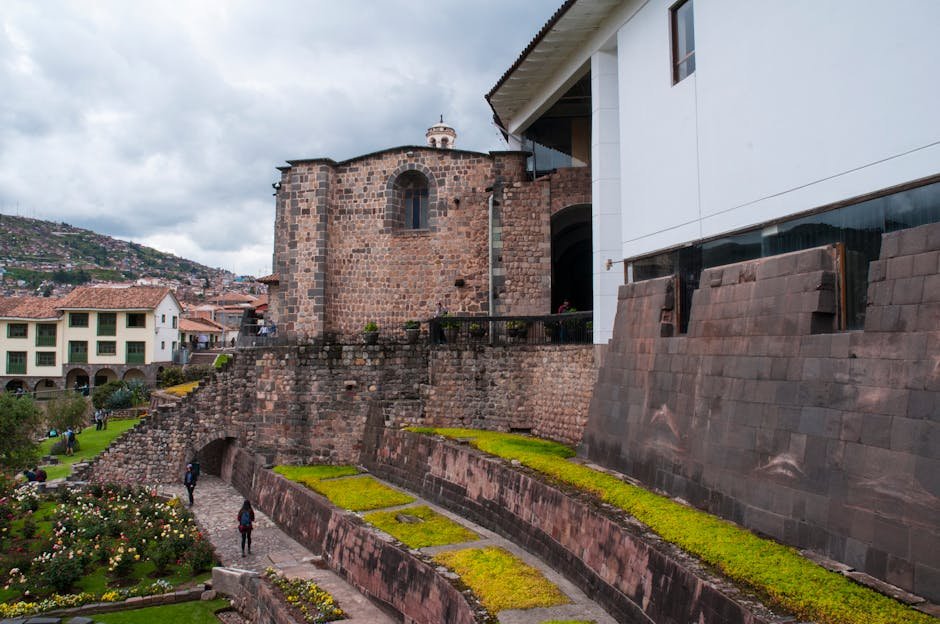
Cusco, once the revered capital of the Inca Empire, sits unforgivingly high, around 3,400 meters above sea level. This altitude demands a different rhythm of life, a physical adaptation that dictates every movement, every breath. The city itself is a living palimpsest; massive, precisely cut Inca stone foundations underpin many colonial Spanish buildings, their seismic engineering still defying centuries of tremors. The constant hum of distant vehicle horns echoes off the red-tiled roofs, blending with the rhythmic clang of construction from somewhere far below. The air, crisp and cool in the mornings, carries the earthy smell of damp soil and ancient stone. You observe the subtle, efficient movements of locals carrying impossibly large bundles wrapped in traditional aguayos, their steps measured and sure on the uneven terrain. Their routines are a quiet, daily battle won against the thin air and steep gradients.
Every market vendor, every street sweeper, every person climbing these steep streets embodies a profound resilience. The simple act of boiling water takes longer here, a small but constant reminder of the environmental pressures. My rented apartment, a modest space off a quiet courtyard, offers a basic shelter from the elements. It’s a stark contrast to the distant, buffered world of the all-inclusive resorts I sometimes glimpse advertisements for, where the challenges of elevation and local existence are carefully managed away. Here, you feel the ground you stand on, you breathe the air as it is, unfiltered. The daily grind here is not a complaint; it’s an observation of an intricate system of human survival, where resourcefulness is a fundamental skill. The narrow alleys, the steep ascents, the consistent chill in the shadows—all these elements shape the city’s character and its people. The city’s pulse is strong, undeniable, a testament to centuries of adaptation and endurance.
💡 Traveler’s Pro Tip: Over the years of constant travel, I’ve learned the hard way. Now, I always rely on Drimsim for using a universal SIM card for cross-border travel without changing numbers. It eliminates so much unnecessary stress when you’re on the road.
💻 The Nomad’s Tech Stack
Many of you ask how I manage to keep this diary online while constantly moving and documenting the world. I host my blog entirely on Hostinger. It’s incredibly reliable, fast, and ensures my content stays live even when I’m uploading massive photo files from remote locations.
Want to dig deeper? For more historical context and detailed information about Cusco, you can read more on Wikipedia.
Connection lost while writing my diary…
Cusco, Peru: Authentic Mountain Living & Andean Culture
The sheer ingenuity involved in daily routines against the challenging mountain terrain becomes starkly clear. Observe the women carrying substantial loads, traversing inclines that would deter most. The effort for basic necessities, from transport to sustenance, requires a constant, physical engagement with the immediate environment. Every delivery, every journey for supplies, involves a significant physical tariff.
A true logistical reality, often unconsidered by outsiders, is the cumulative energy expenditure for warmth. Fuel, whether it’s wood or gas canisters, must be transported up steep streets. The minimal insulation in many dwellings means a continuous battle against the cold, turning the simple act of staying comfortable into a calculated daily endeavor. This is the practical impact of true Mountain Living.
This demanding environment shapes everything. You witness the efficiency in movement, the careful placement of each step on uneven ground, the way small shops stock only the essentials due to transport limitations. It’s a system honed by necessity, where every resource, every action, holds a tangible value in terms of effort.
The fundamental truths of Mountain Living here are not romanticized; they are simply lived. Tomorrow, my focus shifts to the practicalities of water systems within the San Blas district. I intend to walk the upper reaches, observing how water is managed and distributed to homes and small businesses in that specific topography.


Share This Diary Entry
Important Note: This diary is for entertainment and informational purposes. Always research local laws, travel advisories, and verify transport schedules before embarking on any journey. Affiliate links may be present.