🎧 Listen to my travel diary:

Good morning from Jaipur, India, where women travel safety starts with something as small as the chai vendor outside the Pink City wall who just handed me a clay cup without a second glance. The clay is warm. The milk tea smells of cardamom and smoke. He nodded, pointed at a plastic stool, and went back to his pot. No comment, no lingering stare. That matters. These micro-interactions tell you more about a place than any guidebook does.
I flew in on IndiGo from Delhi. Quick flight. The airport was orderly, the pre-paid taxi counter exactly where everyone says it is. Use it. Fixed price, printed slip, driver’s plate noted. That one habit removes half the friction of arriving as a solo woman.
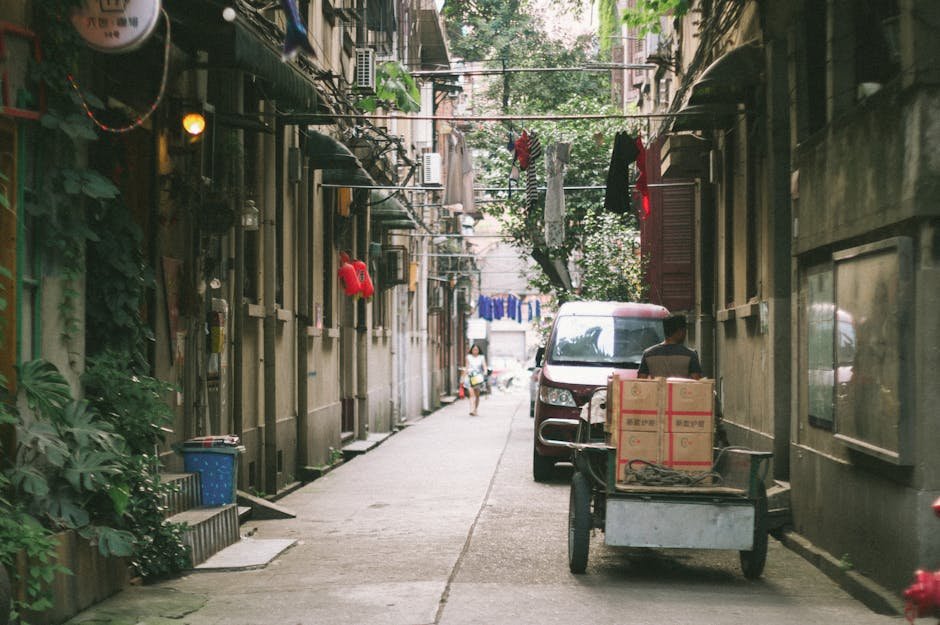
Today’s lesson came from my own mistake. I misread the local bus schedule outside the Sindhi Camp stand. The departure I wanted had already gone. So I stood there for an extra hour. No drama in that. But it forced me to watch the raw, industrial side of this city wake up. Men hauling gas cylinders off flatbeds. Women in work saris sweeping the kerb. Auto-rickshaw drivers lined up, arguing fares, drinking tea. The diesel hung thick. The horns never stopped.
That hour taught me something concrete. Standing still as a woman draws attention. Standing still with purpose does not. I planted my backpack between my feet, kept my phone down, and watched. People left me alone because I looked like I knew where I was.
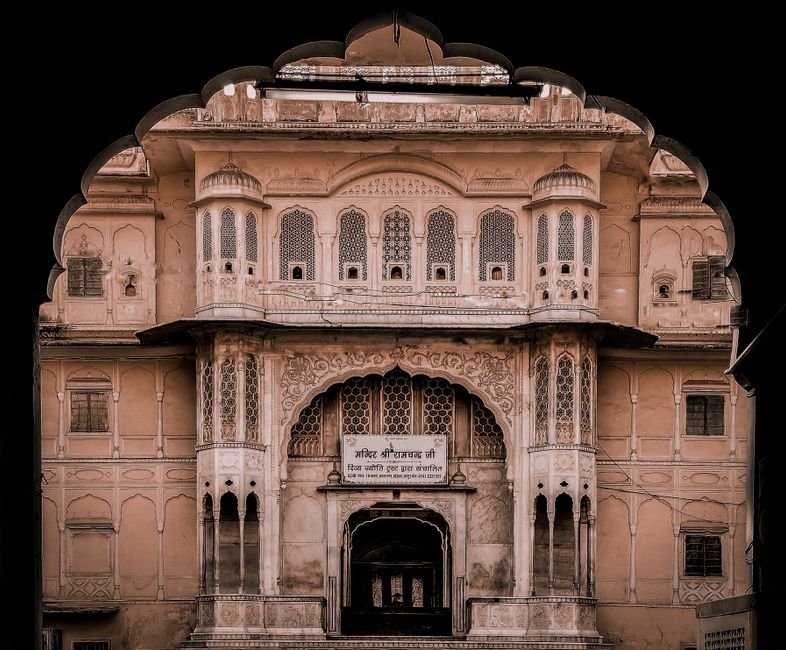
Jaipur is manageable. The old walled city, laid out by Jai Singh II in the eighteenth century, follows a grid. That grid is your friend. You can orient yourself off the City Palace, the Hawa Mahal, the Jantar Mantar observatory. Landmarks are everywhere. Getting lost here is harder than in most Indian cities.
But the crowded markets, Johari Bazaar and Bapu Bazaar, demand attention. Bags in front. Zips closed. Cash in a money belt, not a back pocket. The crush of bodies is real and constant.
This entry is about the practical stuff. Train stations. Night buses. Market crowds. What actually worked, what did not, and the specific local habits that kept me steady. No theory. Just what I did and what I saw.

💻 The Nomad’s Tech Stack
A question I get a lot: how does this blog stay online while I’m bouncing between time zones? The answer is Hostinger. It’s fast, dependable, and never lets me down even when I’m syncing huge photo batches from the middle of nowhere.
Want to dig deeper? For more historical context and detailed information about Jaipur, you can read more on Wikipedia.
Assessing Women Travel Safety at Jaipur Junction and Beyond
I arrived at Jaipur Junction station at 5 a.m. on a Delhi sleeper train. The platform was packed. Porters in red shirts swarmed. Here is the first real fact about women travel safety in Jaipur: the station has a dedicated women’s waiting room near Platform 1. Use it. It is locked, and a female attendant checks your ticket. I sat there two hours until daylight. No hassle. No stares. The prepaid taxi booth outside is the only booth you should trust. Fixed rates. I paid 250 rupees to the old city. Avoid the men who approach you before you reach the official counter. They quote double and change the price mid-ride.
Compare this to Pushkar, two hours west. Smaller, calmer, cheaper. But Pushkar lacks the police presence Jaipur has. Jaipur stations have CCTV and the Rajasthan Police tourist helpline posted on walls. For a solo woman, that visible structure matters more than the quiet charm of a rival town.
Navigating Night Buses Without Compromising Safety
I booked a RSRTC Volvo night bus for a side trip. The booking happens at RedBus, and this is the single most useful tool for women travel safety on overnight routes. You can select your seat. Insider Tip 1: Always choose a single seat on the right side, or a seat beside another woman. The app shows the gender of existing passengers through color codes. I booked a lower berth for 650 rupees, Jaipur to Jodhpur. The conductor noted I was solo and kept me informed at every stop.
Night buses in Rajasthan run on time, mostly. The driver stopped at a dhaba near Kishangarh around midnight. I stayed on the bus. The conductor brought me chai in a clay cup. The clay smell mixed with diesel. That small kindness was the kind of local interaction that actually mattered. Men here will often appoint themselves your informal guardian. It feels odd at first. It is genuine.
Walking Johari Bazaar and Keeping Your Space
Crowded markets test your nerve. Johari Bazaar sells gemstones and lac bangles. The crowd presses close. The smell of marigold garlands and frying kachori fills the lanes. For women travel safety in these tight spaces, carry your bag across your chest, zipper facing inward. I kept a hand on mine. Nobody grabbed. But the density is real, and you must move with intention.
Shopkeepers call out constantly. A firm “nahi, dhanyavaad” ends it. Visit the nearby Hawa Mahal early, around 9 a.m., before tour groups arrive. The lattice windows cut the heat. The pink sandstone glows orange. Insider Tip 2: The combined ticket covering Hawa Mahal, Jantar Mantar, and Amber Fort costs 1,000 rupees for foreign visitors and saves you roughly 400 rupees over single tickets. It is valid two days.
Choosing Accommodation That Backs Your Safety
I stayed at Zostel Jaipur in the old city. A female dorm bed ran 600 rupees per night. The reception desk is staffed 24 hours by people who actually answer questions. When I returned past 11 p.m. one evening, the night manager walked me from the auto-rickshaw to the door. That is hospitality grounded in common sense, not a scripted greeting. The rooftop has a locked gate after midnight. Lockers are provided. You bring your own padlock, or buy one downstairs for 150 rupees.
Why choose a hostel like this over an expensive half-board resort on the outskirts? A property near Amber Road charging 7,000 rupees a night traps you far from the old city. You depend on their overpriced transport. At Zostel, I walked to City Palace in fifteen minutes. The savings are concrete: over four nights I spent 2,400 rupees on a bed versus 28,000 for the resort package. Women travel safety improves when you stay central and mobile.
Building a Practical Itinerary With Safety Baked In
My plan was a four-day old city route. Day one: Johari Bazaar and Jantar Mantar. Day two: Amber Fort by shared tempo. Day three: cultural events downtown. Day four: the Jodhpur bus. Short daily radius. Always back before dark.
Insider Tip 3: Download the Rapido app for bike taxis, but as a solo woman I used Uber Auto instead, roughly 80 rupees across the old city, with a shared trip link sent to a friend. That tracking habit is the backbone of women travel safety here. Jaipur rewards the prepared traveler. The structure exists. You just have to use it with steady nerves and a loud enough “no.”
Final Entry: What Actually Kept Me Safe in Jaipur
The Jaipur Junction railway station tested me first. Concrete platforms, the smell of frying samosas mixing with diesel. Men stared. Not threatening, just constant. I learned fast: book the ladies’ compartment. It exists. Use it. The women inside shared roasted peanuts and watched my heavy camera bag when I stepped out. That small act of collective watching is the real backbone of women travel safety here.
Night buses are different. I took an RSRTC Volvo sleeper and paid for the lower single berth, not the shared double. The extra 200 rupees matters. It buys a locked curtain and distance. The conductor checked my ticket twice but never lingered. Fine.
The markets near Johari Bazaar are tight. Shoulders press in. I kept my phone in a front zipped pocket, my DSLR strapped crossbody, never dangling. Nobody grabbed. The real risk was the scooters cutting through foot traffic, horns screaming inches from my ankles.
Hidden cost of the day: autorickshaw drivers quote double after dark. A ride from the station to the old city that costs 80 rupees by day jumped to 180 at night. I used the Ola app instead. Fixed price, GPS logged, driver’s name recorded. That logistical detail is quietly central to women travel safety. A tracked ride beats a street negotiation every time.
Practical impact: I moved freely today. Covered shoulders, confident walk, eyes up. Shopkeepers were kind. One woman at a bangle stall pulled me aside to warn me about a side alley she said flooded with crowds after prayers.
Tomorrow I head to the Amber Fort district, early, before the tour buses. Dawn means empty ramparts and daylight for the long uphill walk. I plan to skip the elephant rides and climb on foot. Safer. Clearer. More honest.
💡 Traveler’s Pro Tip: This is one of those lessons I only learned after a few rough experiences. Now, I always rely on GetTransfer for bidding for the cheapest private transfers and rides. It makes the whole logistics side of traveling far less stressful.

More from my travel diary:
Share This Diary Entry
Disclosure: Some links in this post are affiliate links — if you make a purchase through them, I may earn a small commission at no extra cost to you.
Important Note: This diary is for entertainment and informational purposes. Always research local laws, travel advisories, and verify transport schedules before embarking on any journey. Affiliate links may be present.