For further reading: I’d recommend checking out Wikipedia’s page on Osaka for deeper historical and factual context.
🎧 Listen to my travel diary:
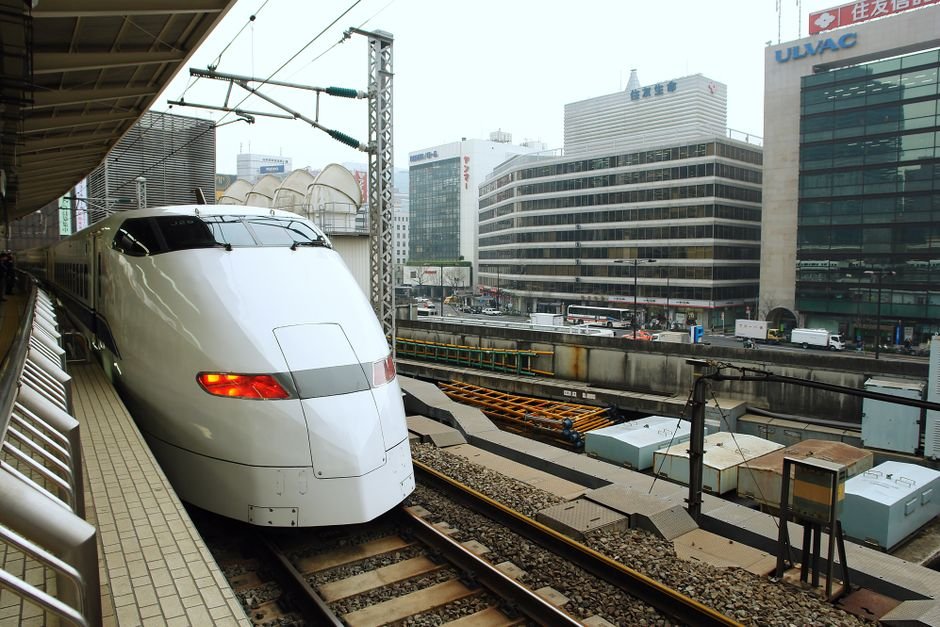
Good evening from Shin-Osaka Station, where the high-speed rail network hums under fluorescent light and the rain hasn’t stopped hammering the glass roof for three hours. I’m standing near the Platform 20 escalators, watching the Tokaido Shinkansen line do its work. The departure board flips. A Nozomi service is leaving at 18:33. Not 18:34. Not “around half past.” 18:33. And it will.
I got here on Peach Aviation into Kansai, soaked before I even reached the Haruka express. The downpour forced me off my route earlier. Two hours trapped in a tiny bookstore near the station, the kind with no English sign, shelves sagging with manga and old rail timetables. The owner didn’t speak to me. He just pointed at a chair when the rain got worse. I sat. I read train schedules I couldn’t understand. That detour is why I’m writing this at night instead of midday.
Here’s what grabs me about Shin-Osaka. The precision isn’t theatrical. It’s just operational logic, baked into every surface. The platform numbering runs in blocks. Shinkansen platforms sit on the upper level, numbered in the 20s. Conventional JR lines sit below. You don’t wander. The signage tells you exactly where your car will stop. Markings on the platform floor show where Car 5, Car 7, Car 11 will open their doors. You line up on the painted lines. Two columns per door. You wait between them so arriving passengers can exit through the middle.
Nobody pushes. Nobody crowds the yellow tactile strip. The etiquette is enforced by social weight, not staff shouting.
The ticket gates are mechanical poetry of a practical kind. You feed your ticket in. Sometimes two tickets at once, the base fare and the limited express supplement. The machine reads both, spits them out the far end, and you grab them without breaking stride. Miss the grab and the gate closes politely on your bag.
The air down here smells of warm electronics and the faint sweetness of ekiben boxes stacked in the kiosks. Steel wheels squeal somewhere below. An announcement chimes in two languages. Rain still drums overhead.
This is a system that treats time as a hard currency. Over the coming entries, I’ll break down how it actually works for a traveler moving on a budget through it.
💻 The Nomad’s Tech Stack
A question I get a lot: how does this blog stay online while I’m bouncing between time zones? The answer is Hostinger. It’s fast, dependable, and never lets me down even when I’m syncing huge photo batches from the middle of nowhere.

Decoding High-Speed Rail Logic in Osaka
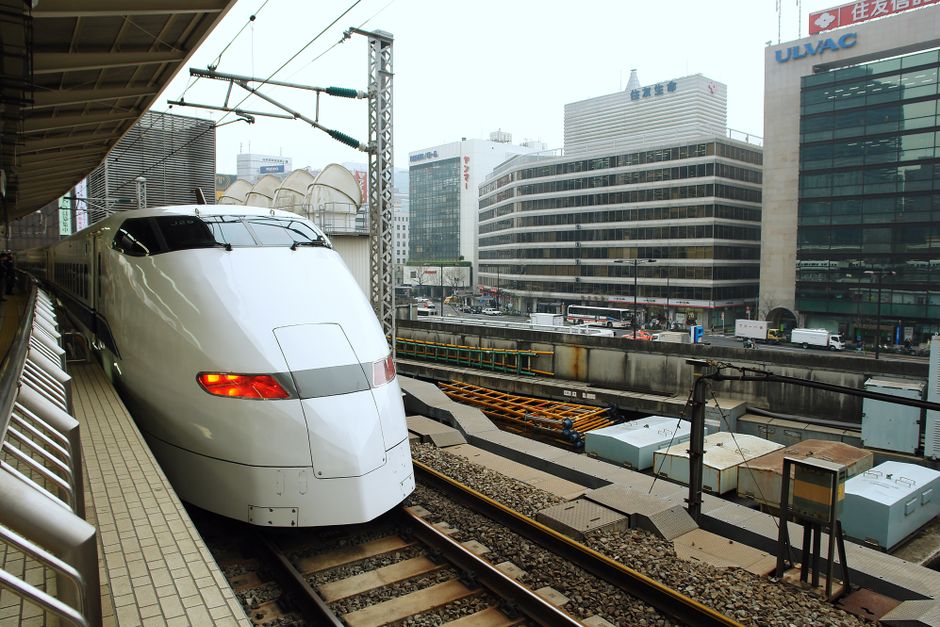
Osaka runs on timing. Not approximate timing. Exact timing. The high-speed rail system here moves on a schedule measured in seconds, and once you understand that, everything else makes sense. I spent three days on a budget transit-and-architecture plan, bouncing between the central district and the bay, and the rail system became the spine of it all. The engineering isn’t flashy. It’s relentless. Trains arrive, doors open, load, close, and leave. No drama. No waiting around. You either match the rhythm or you miss the train.
Reading the Queue System Correctly
The boarding queues are painted and numbered on the floor, and people respect them absolutely. Two lines per door. You stand behind the person in front. Nobody pushes. When the train pulls in, arriving passengers exit through the center of the two lines, then the queue advances. This sounds obvious but watching it work at rush hour is something else. Hundreds of people, zero friction. The cold air off the platform hits your face as the train brakes. There’s a hum, then the hydraulic hiss of doors. Twelve seconds, maybe fifteen, and the platform clears. Insider Tip 1: If you’re carrying heavy gear, stand in the queue nearest the elevators rather than the stairs; the far-end cars are consistently less crowded, and you’ll find seats even on unreserved tickets during the 7:30 to 9:00 window.
Managing Gate Mechanics and Transfers
The gate machines read your pass in under a second. You walk at normal pace, insert, walk through, collect on the other side. Hesitate and the gate stays shut and someone behind you sighs. The sensor logic is unforgiving but fair. For transfers, the real skill is knowing the station layout before you arrive. I kept my pass in my jacket’s left pocket the whole trip, never fumbling. Running through concourses with a single body slung tight against my chest, I learned to move with the crowd, not against it. The polished floors squeak under rubber soles. Announcements overlap in Japanese and English, clipped and clear. Insider Tip 2: Buy an ICOCA card for 2,000 yen (500 yen is a refundable deposit) rather than paper tickets for local legs; it cuts your gate time dramatically and works on nearly every connecting line within the metro.
Choosing Osaka Over Its Quieter Rival
Here’s the honest comparison. Kobe sits close and offers a calmer, lower-density rail experience. Fewer crowds, shorter queues, gentler pace. But Osaka wins on frequency and connection density. You get a train roughly every few minutes toward most destinations, and the high-speed rail hub ties directly into the dense metro web. Kobe is pleasant. Osaka is efficient at a scale that actually matters when your days are tight. Why choose Osaka? Data. The platform turnaround here averages under three minutes. The on-time performance across the high-speed rail network sits within seconds of schedule, year-round. If your plan depends on tight transfers, that reliability is worth more than Kobe’s calm. Walk the Osaka Castle grounds in the morning, ride out to the bay by afternoon, and the rail makes it possible without wasted hours.
Booking Accommodation Near the Rail Core
I stayed at Toyoko Inn Osaka Umeda for 7,800 yen per night. Basic room, firm bed, fast check-in. The desk staff spoke enough English to handle my late arrival without fuss, and they held my bag for free after checkout while I finished a final transit loop. That matters when your train leaves at an exact minute and you don’t want to drag luggage. The hospitality was practical, not performative. They told me which exit saved five minutes walking to the rail connection. Compare that to the all-inclusive bay hotels charging 25,000 yen with breakfast buffets you’ll skip because you’re already on a platform by seven. The budget room near the rail core beats the half-board resort every time for someone actually using the high-speed rail to move.
Timing Your Departures to the Second
This is the part that defines Osaka rail travel. Departure timing is absolute. A train scheduled for 8:16 leaves at 8:16, not 8:17. The conductor watches the clock. Doors close a precise interval before departure. If you’re not inside, you’re not going. I watched a man miss by two steps. No pleading worked. The train was already pulling out. Insider Tip 3: Arrive at your platform a full four minutes early for any high-speed rail departure; the boarding window is tighter than most foreign travelers expect, and the final warning chime gives you roughly thirty seconds, not a courtesy minute. Grab food beforehand at Kuromon Market, where the grilled scallops and skewers fuel you for the sprint. The system rewards preparation. Learn the rhythm, respect the clock, and Osaka’s high-speed rail carries you across the city with a precision you won’t find elsewhere.
Outro: The Mechanics Underneath
The machine runs on seconds, not minutes. That’s the lesson I carry out of here tonight. I watched the high-speed rail system swallow thousands of bodies and spit them back out with a logic that felt almost surgical. Every movement had a slot. Every slot had a time.
The platform numbering follows a grid you learn fast or you miss your train. No sympathy in the architecture. The columns are marked. The waiting positions are marked. You stand where the door will open, and the door opens exactly there. Not close. There.
Queue etiquette isn’t suggested. It’s enforced by social weight. Two lines per door. You file in from the sides, not the center. Nobody shoves. Nobody rushes. The precision isn’t aggressive. It’s mechanical, almost calm.
The hidden cost today: reserved seating surcharges. I assumed the fare covered my spot. It didn’t. The reserved seat fee stacked on top, and during peak slots that premium climbs. If you ride high-speed rail here without planning, you pay the convenience tax at the counter while the clock eats your margin. I lost about ¥1,500 to that ignorance. Cheap tuition, honestly.
The ticket gates read your card in a fraction of a second. The flap stays open if you move at human speed. Hesitate and it clamps. I saw a man freeze and get caught. The machine doesn’t negotiate.
Practical impact: I now budget for the surcharge and I arrive twelve minutes early, not two. That buffer saved me once already.
Tomorrow I’m walking Shinsekai. The Tsutenkaku tower, the old backstreets, the kushikatsu counters where locals eat standing up. Different pace entirely. No gates. No seconds. Just worn concrete and the slow grind of a district that forgot to modernize. I need that contrast.
💡 Traveler’s Pro Tip: If there’s one thing constant travel has taught me, it’s this. Now, I always rely on EconomyBookings for comparing global car rental prices instantly. It’s a small thing that makes a real difference once you’re actually there.

More from my travel diary:
Share This Diary Entry
Disclosure: Some links in this post are affiliate links — if you make a purchase through them, I may earn a small commission at no extra cost to you.
Important Note: This diary is for entertainment and informational purposes. Always research local laws, travel advisories, and verify transport schedules before embarking on any journey. Affiliate links may be present.