Disclosure: This post may contain affiliate links, meaning I get a commission if you decide to make a purchase through my links, at no cost to you.
💻 The Nomad’s Tech Stack
Many of you ask how I manage to keep this diary online while constantly moving and documenting the world. I host my blog entirely on Hostinger. It’s incredibly reliable, fast, and ensures my content stays live even when I’m uploading massive photo files from remote locations.
Want to dig deeper? For more historical context and detailed information about Bangkok, you can read more on Wikipedia.
Good morning from Bangkok, Thailand, where street food safety is the first thing I’m tracking as I watch a woman ladle boiling broth into a bowl three feet from me. Her pot never stops simmering. That’s the detail. The stock stays above a rolling boil the entire time. No lukewarm zone where bacteria multiply. Just constant heat, hour after hour.
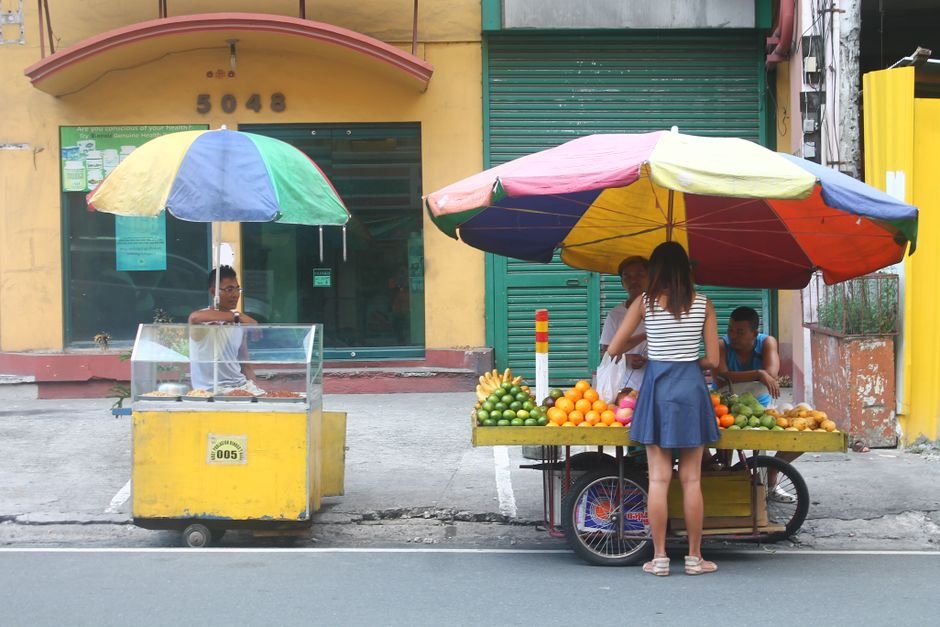
I flew in on Thai Airways yesterday. Landed at Suvarnabhumi with two camera bodies and a drone I won’t bother launching today. My plan was the Grand Palace. It was closed. State function, the guard said. No arguing with that. So I walked into the residential sois behind it instead. Narrow lanes. Concrete houses. Laundry strung overhead. And the food stalls that actually feed locals, not tourists.
This is where I want to test the real question. Is this stuff safe to eat?
Here’s what I’m watching for. Water source first. The clean vendors use bottled or filtered water for anything uncooked. The good ones wash produce in a bucket they change often. I see one cook rinsing morning glory under a tap, then dropping it straight into a smoking wok. High heat kills the risk. The oil in that wok concerns me more. Some stalls reuse frying oil for days. You can tell by the color. Dark, thick, almost brown. That’s the one to avoid. This vendor’s oil is pale gold. Fresh, or close to it.
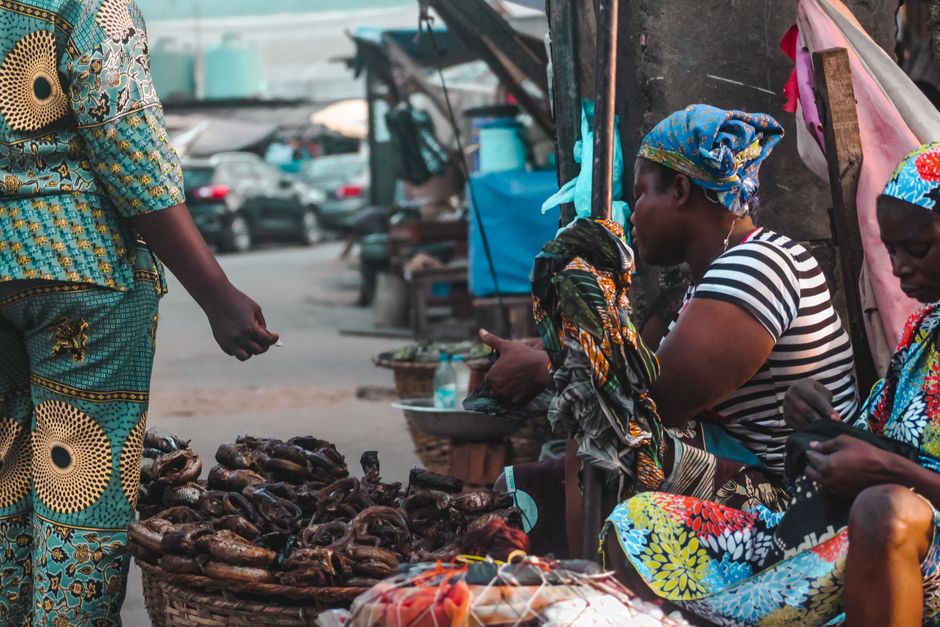
Then the raw meat. This is the real gamble. Pork and chicken sitting in open air, no ice, in thirty-four degree heat. But watch the turnover. The busy stalls sell out their protein in an hour. It never sits. That speed is the actual safety mechanism. Empty containers refilled constantly. The slow stalls, the ones with meat greying at the edges, those I skip.
The smell here helps me read it. Charcoal smoke. Fish sauce hitting a hot pan. Garlic frying. That sharp, clean sting means active cooking. When a stall smells sour or flat, something’s been sitting.
My rule is simple. Eat where the line moves. Eat where the flame never dies. Watch the oil, watch the ice, watch how fast the raw stuff disappears. That’s the whole game in these backstreets, and I’ll break down every piece of it below.
🎧 Listen to my travel diary:
Tracking Street Food Safety Where It Starts
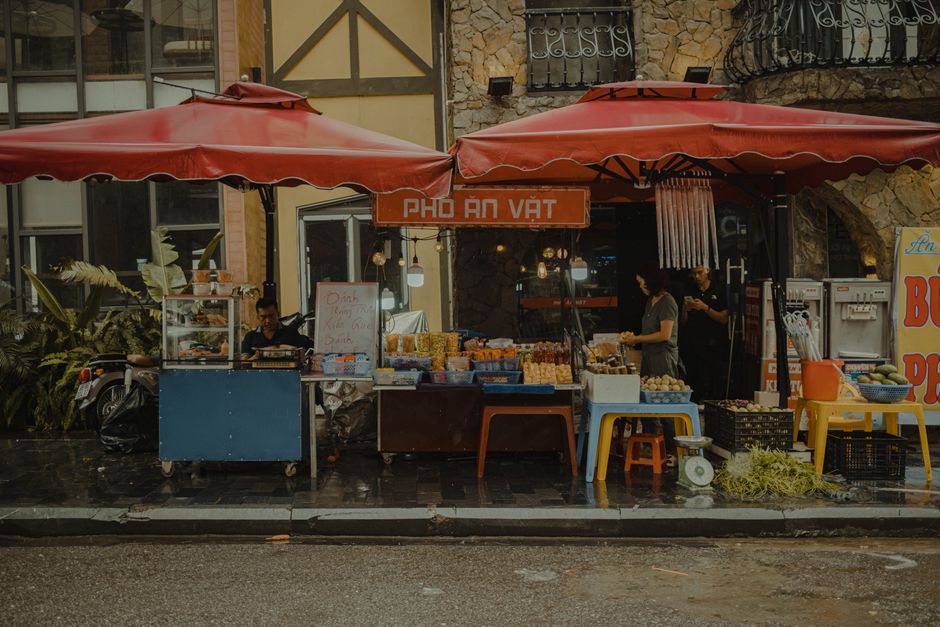
Let me be practical about street food safety here. I spent four days squatting near vendors on Charoen Krung Road, watching the mechanics nobody films. The question isn’t whether the food tastes good. It does. The question is what happens behind the cart before it hits your plate. I tracked where the vendors get their liquid supply. Most haul plastic jugs from a shared spigot near their apartment blocks, refilled at dawn. The good ones use ice delivered in sealed bags, not the shaved slush from an open cooler. That single detail separates a safe cart from a risky one.
My itinerary was simple. A five-day budget route through the Bang Rak and Yaowarat districts, eating only at stalls that turned over stock fast. No package. No tour guide. Just my own legs and a notebook.
Oil
The reused cooking fat is the real story. I watched one noodle vendor near Yaowarat Road skim her fat between batches and toss it entirely by mid-afternoon. That’s ideal. The dangerous ones let it darken over three days, topping it up instead of replacing it. You can smell the difference. Fresh fat carries almost no scent. Degraded fat gives off a sharp, acrid edge that clings to the back of your throat. If it smells burnt from two meters away, walk. Street food safety is mostly your nose doing quality control.
Insider Tip 1: Eat between 11am and 1pm. Vendors change their frying medium for the lunch rush, so you’re getting the cleanest batch of the day. Arrive at 4pm and you inherit whatever’s left.
Meat
Storage temperature is where most travelers get burned. I checked how vendors keep raw pork and chicken. The reliable ones stack proteins over ice trays, restocking small portions from a cooler beneath the cart. The sketchy ones leave trays sitting in ambient heat that hovers around 34 degrees. That’s a breeding ground. I skipped any stall displaying meat uncovered in direct sun for more than a few minutes. Turnover saves you here. A busy cart sells its protein before bacteria multiply. An empty cart with a full tray of grey chicken is the trap.
Near Wat Arun, the grilled skewer sellers move product so fast the meat never rests. That volume is your friend. High traffic equals fresh stock. Street food safety improves the moment a queue forms.
Turnover
Insider Tip 2: Take bus number 82 toward the Wongwian Yai side. The stalls there feed factory workers on tight schedules, meaning ingredients rarely sit. Fast crowds mean fresh food.
Here’s the value comparison. Everyone floods this city, but Chiang Rai up north offers similar noodle culture with lower rents and calmer vendors who cook to order rather than pre-batch. Popularity here means volume, and volume, oddly, means safety. In quieter towns you sometimes get food that’s been sitting because demand is thin. So the crowds you resent actually protect your stomach. That’s the honest math on street food safety in this specific place.
I stayed at the Lub d Bangkok Silom for 950 baht per night. The front desk staff genuinely helped me map out vendor locations, drawing on a paper map with a pen. No upsell. No canned smile. A woman named Nok told me which corner stalls she personally trusted. That’s hospitality worth paying for. Compare that to the half-board resorts charging 4,000 baht where the buffet food sits under warming lamps for hours. The cheap hostel plus street eating beat the resort meal on both freshness and price.
Verdict
Insider Tip 3: Budget an extra 15 baht per meal for bottled drinks from 7-Eleven rather than the ice-based sodas at carts during peak heat months. Small cost, real protection.
Why choose this over a sanitized food court? Data. A busy street vendor sells maybe 200 plates a day, cycling stock every few hours. A mall stall might sell 40, leaving prep sitting far longer. The open-air cart also cooks in front of you, so you audit the process live. You watch the fat, the ice, the meat handling. That transparency is the entire argument for street food safety here. My four days cost under 600 baht in food total, and my gut stayed fine because I applied the rules above rather than trusting luck. Watch the mechanics, follow the crowd, trust your nose, and this city feeds you well. End of entry.
Final Entry: The Mechanics of Street Food Safety
I spent the whole day watching hands. Not faces. Hands. Which vendor washed them. Which didn’t. That’s where street food safety actually lives.
The good stalls near Phra Nakhon shared one trait: speed. Ingredients didn’t sit. A tray of prawns emptied in twenty minutes, refilled from a chilled box packed with sealed frozen packs. Fast turnover means bacteria never gets a window. That’s the real metric. Not appearance. Velocity.
I clocked one vendor changing her cooking liquid twice before lunch ended. Others let it darken and thicken for hours. You can see the difference. Fresh liquid moves clear. Old liquid clings to the ladle. I ate only from the ones who swapped it.
Storage was the harder read. Meat kept below the counter stayed cold to the touch when I asked to point at it. The vendors near Sam Yan let me look. The ones who waved me off got skipped. Simple filter.
Here’s the hidden cost nobody mentions. The cleanest vendors charge 15 to 20 baht more per plate. Not much. But it adds up across a week. Their overhead is real: proper chilling, constant restocking, fresh liquid. You pay for the diligence. Street food safety has a price, and it’s baked into that small markup.
Practical impact: I ate five times, spent under 300 baht, and felt fine. The math holds. Watch the hands. Watch the turnover. Skip anything static.
Tomorrow I head to Banglamphu, up around Phra Athit. Older stalls there, run by families who’ve worked the same corner for decades. I want to see if longevity means better hygiene discipline or just habit. That’s the test. I’ll be watching hands again at dawn.
💡 Traveler’s Pro Tip: Over the years of constant travel, I’ve learned the hard way. Now, I always rely on Saily for connecting to cheap local data networks the second you land. It eliminates so much unnecessary stress when you’re on the road.
More from my travel diary:
Share This Diary Entry
Important Note: This diary is for entertainment and informational purposes. Always research local laws, travel advisories, and verify transport schedules before embarking on any journey. Affiliate links may be present.