Disclosure: This post may contain affiliate links, meaning I get a commission if you decide to make a purchase through my links, at no cost to you.
Want to dig deeper? For more historical context and detailed information about Nairobi, you can read more on Wikipedia.
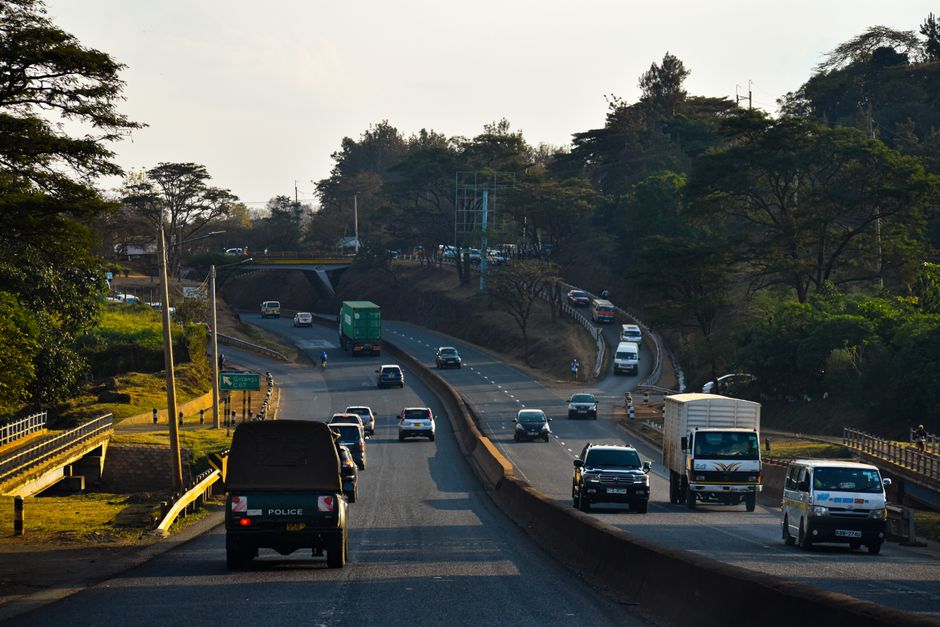
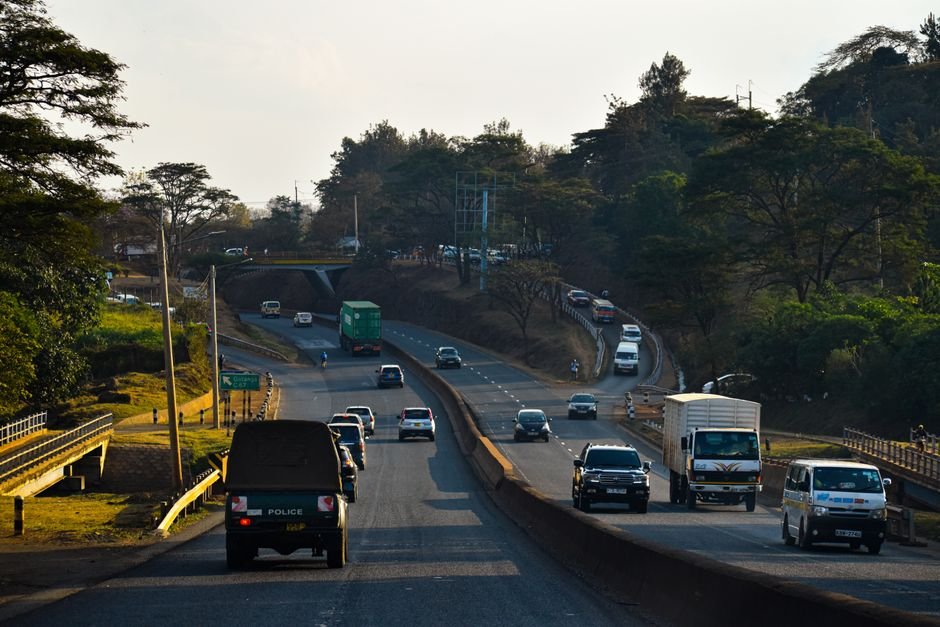
Budget African safari planning in Nairobi starts long before you ever see a lion, and right now I’m standing outside the Nairobi Railway Museum on Station Road, watching a woman balance a stack of woven sisal baskets on her head while a matatu blasts Lingala music so loud the metal shutters of the nearby kiosks seem to rattle. This is the real entry point into East Africa’s safari circuit, not some glossy brochure image.
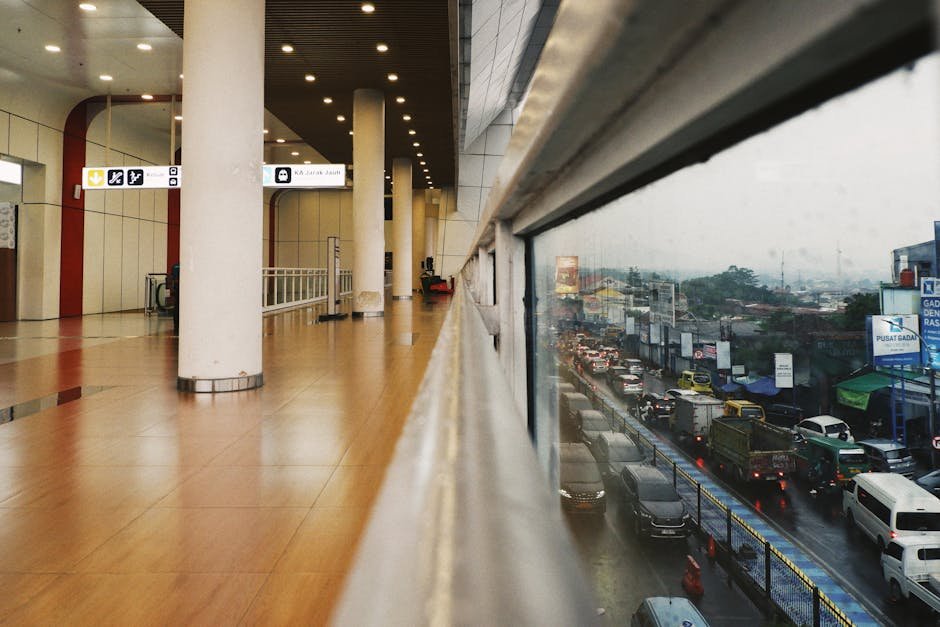
I flew in on Kenya Airways, landing at Jomo Kenyatta International Airport, and the plan was simple: catch an early shuttle toward Nairobi National Park, then continue on to the Maasai villages bordering the reserve’s southern boundary near Kitengela. I misread the departure board at the bus stage on Ronald Ngala Street, though, and ended up with an extra hour to kill in the industrial belt along Enterprise Road. That mistake turned out to be the most honest introduction to the city I could have asked for. Forklifts hauling scrap metal, the smell of diesel and roasting maize mixing in the heat, workers in oil-stained overalls eating githeri from tin plates on upturned crates. This is the working Nairobi that never makes it into the glossy safari catalogs.
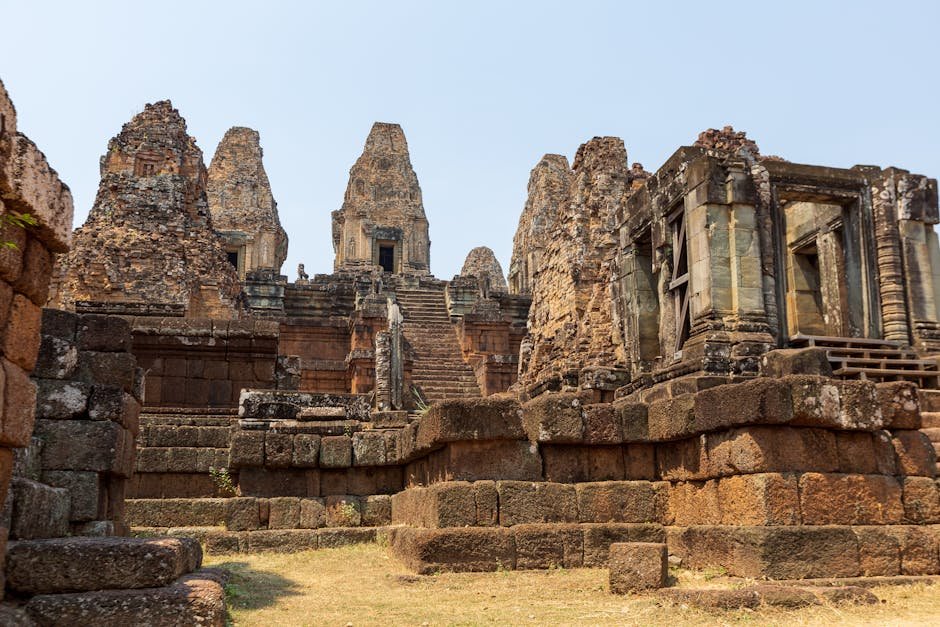
Once you finally reach the villages bordering Nairobi National Park, the architecture tells its own story. Mud-brick walls, reinforced with cow dung and ash, keep interiors cool despite the equatorial sun. Thatch roofing, tightly bundled and layered in overlapping rows, sheds the seasonal rains without a single tile. Compare that to the colonial-era lodges scattered around Karen, a suburb named after Karen Blixen, the Danish coffee farmer whose estate once bordered these same plains. Those lodges, built with imported timber and wide verandas designed for European settlers escaping the heat, stand in stark contrast to the budget camps closer to the park gates, where canvas tents and corrugated iron sheets do the same job for a fraction of the cost.
That contrast, between colonial permanence and local practicality, sets the tone for everything that follows in this diary. Nairobi doesn’t hand you the safari experience wrapped in comfort. You earn it, one missed bus schedule at a time.
💡 Traveler’s Pro Tip: Over the years of constant travel, I’ve learned the hard way. Now, I always rely on SEARADAR for renting yachts and boats with professional concierge support. It eliminates so much unnecessary stress when you’re on the road.
💻 The Nomad’s Tech Stack
Many of you ask how I manage to keep this diary online while constantly moving and documenting the world. I host my blog entirely on Hostinger. It’s incredibly reliable, fast, and ensures my content stays live even when I’m uploading massive photo files from remote locations.
Chase a Budget African Safari Through the Reserve’s Mud-Walled Villages
The fence line marking the reserve boundary runs close enough to the city that you can hear traffic on one side and hear nothing but wind on the other. I walked the dirt track along that boundary for three mornings straight, past homes built from sun-dried mud brick, packed by hand and left to cure in the sun for a week before anyone dares lean a shoulder against the wall. Planning a budget African safari here means accepting that the real architecture story isn’t the reserve itself, it’s the settlements pressed against its edge. The walls are thick, sometimes fourteen inches, built that way to hold heat out during the day and keep it in overnight, since temperatures on this plateau drop hard once the sun goes down. Door frames are cut from eucalyptus poles, uneven and knotted, wedged into the brick before the final layer dries so the whole structure locks together without a single nail.
Compare the Colonial Stone Lodges Against the Thatch-Roofed Camps Where Backpackers Actually Sleep
Head toward the older lodge properties near the reserve gate and the contrast hits immediately. These were built by British settlers in the early decades of the last century, using quarried stone hauled in by cart, with deep verandas designed to keep colonial administrators out of direct sun while they watched the plains below. Roofs on these lodges are often corrugated iron now, replacing what was originally cedar shingle, a material choice that had nothing to do with local climate logic and everything to do with imported taste. Compare that to the thatch technique still used in the bordering village huts: bundles of dried grass laid in overlapping rows, tied with sisal cord to a timber lattice, angled steep enough that rain sheds fast during the wet season instead of pooling and rotting the frame. A well-built thatch roof here lasts around four years before it needs re-laying, and the labor for that job costs a fraction of replacing corrugated sheeting on the old lodge structures. Many backpackers choose a budget African safari specifically to sleep under this kind of roof rather than pay lodge rates for stone walls and imported furniture that has nothing to do with where you actually are.
Pick Ongata Rongai Over Karen
Karen gets all the attention, named after the old coffee estate owner, full of colonial-era stone houses now converted into boutique lodges charging upward of $150 a night with breakfast included. Ongata Rongai, fifteen minutes further along the same road, gets almost none of that attention despite bordering the same reserve fence. Rooms here run $12 to $20 a night, meals cost a third of what you’d pay in Karen’s restaurants, and the walk to the reserve boundary is shorter. Insider Tip: the local bus route 125 running along Magadi Road drops you within a ten-minute walk of the fence line for under a dollar, compared to the $25 private transfer quoted by most Karen-based lodges.
Plan Your Three-Day Budget African Safari Route Without Blowing the Wage
My route was simple and I’d repeat it exactly. Day one: settle into Wildebeest Eco Camp on Langata Road, where a dorm bed runs KES 2,500, roughly $18 a night, and the staff at the front desk spent twenty minutes drawing me a hand map of which village paths were safe to walk alone versus which needed a guide. That kind of direct, unhurried hospitality beats any scripted half-board resort greeting I’ve had elsewhere on this continent. Day two: walk the boundary villages, examine the wattle-and-daub construction up close, where woven branch lattices get packed with a mud-and-dung mixture that dries rock hard and, according to one builder I spoke with near his half-finished wall, resists termites better than raw mud alone. Day three: early reserve entry before the heat peaks, since gates open at 6 a.m. and the light stays workable until temperatures climb past what’s comfortable for walking. Insider Tip: reserve entry fees are cheaper before 9 a.m. during low season, and asking the gate staff directly about that window can save you several dollars over the standard posted rate. Insider Tip: carry small denomination shillings for village guides, since none of them carry change and the standard rate for a two-hour walking tour runs around $8, negotiable if you’re polite and not rushing them.
Why choose this over a resort package? Because a half-board hotel in Karen charges more per night than three nights at Wildebeest Eco Camp combined, and you’ll never get within touching distance of a mud-brick wall or learn how thatch is tied unless you’re staying where the builders actually live. This is a budget African safari built on proximity, not polish, and the villages bordering the reserve fence show more honest construction history than any restored colonial veranda ever will.
For background on the colonial lodge era, the Karen Blixen Museum holds original estate records worth an afternoon. To see traditional building techniques demonstrated directly, Bomas of Kenya runs live construction displays most weekdays. And for the camp itself, check current dorm pricing at Wildebeest Eco Camp before you book.
Outro: Clay Walls and Cut Stone
The bus dropped me at the edge of the reserve just before dusk.
Dust hung low over the huts, sticking to my camera strap and turning my boots the color of the earth walls around me. A budget African safari means sleeping close to these villages, not above them in some walled retreat with turn-down service and a pool nobody actually swims in. The homes here are built from packed dry clay, layered thick enough to hold heat through the cold nights, then capped with tightly bundled dried grass angled steep to shed rain fast. Compare that to the old colonial-era retreats scattered near the reserve, built from cut stone hauled in decades ago by hand, meant to keep settlers cool and separate from exactly what I was standing next to tonight.
My camp charged 800 shillings for the night. A nearby lodge advertised half-board at 380 dollars, breakfast included, game drive extra. That gap is the whole story of budget African safari travel here: you trade thread-count for proximity, buffet lines for actual conversation with the family who mixed the clay you’re standing beside. Nobody warns you about the 200-shilling “community access fee” tacked onto every village walk, though. Small note, real cost, worth budgeting for before you commit to anything.
Tomorrow I’m heading into Langata, chasing down workshops where old lodge furniture gets repaired using the same joinery methods as these village homes. Two different economies, same hands doing the building.
🎧 Listen to my travel diary:
More from my travel diary:
Share This Diary Entry
Important Note: This diary is for entertainment and informational purposes. Always research local laws, travel advisories, and verify transport schedules before embarking on any journey. Affiliate links may be present.