The most common smart ring FAQ questions in 2026 revolve around three core concerns: how accurately these devices measure health data, how long their batteries last, and whether your biometric information remains private. Smart rings and wearable wellness trackers have matured significantly, but informed buyers deserve clear, evidence-based answers before committing to daily health monitoring.
What Is a Smart Ring and How Does It Work?
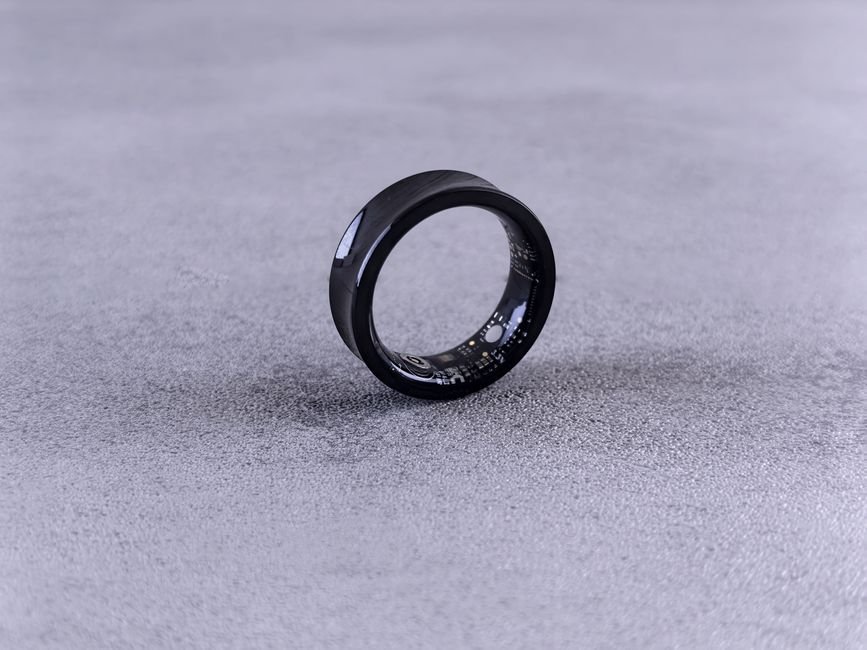
A smart ring is a compact wearable device worn on the finger, embedded with sensors designed to track physiological data continuously throughout the day and night. Unlike traditional fitness bands or smartwatches, smart rings prioritise discreet form and all-day comfort without sacrificing meaningful health insights.
Most modern rings incorporate photoplethysmography (PPG) sensors, accelerometers, and temperature sensors. These components work in combination to monitor heart rate, blood oxygen levels, sleep stages, respiratory rate, and physical activity. The data is then processed through proprietary algorithms and delivered to a companion smartphone app.
Understanding this foundation is essential before exploring the deeper smart ring FAQ topics that concern most users, particularly those who rely on wearable wellness trackers for genuine health monitoring rather than casual curiosity.
Sensor Accuracy: How Reliable Is the Health Data?
One of the most searched questions in any smart ring FAQ is straightforward: are smart rings accurate for health tracking? The honest answer is that accuracy varies by metric and by device generation. For resting heart rate and sleep stage detection, leading smart rings in 2026 perform comparably to medical-grade wrist-based devices in controlled conditions.
However, context matters considerably. Smart ring sensor accuracy can be affected by skin temperature fluctuations, ring fit, physical activity intensity, and individual physiology. For example, during high-intensity exercise, the PPG signal on a finger-based sensor may experience more motion artefact compared to a chest strap. For passive monitoring — sleep tracking, resting heart rate, overnight SpO2 — finger-based sensors are generally well-suited.
It is worth noting that smart rings are not medical devices and should not replace clinical diagnostics. They function best as trend indicators over time rather than moment-to-moment clinical measurements. Reviewing independent validation studies and peer-reviewed assessments, such as those available through the National Center for Biotechnology Information (NCBI), provides a more grounded picture of where consumer wearables currently stand scientifically.
Battery Performance: How Long Does a Smart Ring Battery Last?
Battery life is a consistent talking point in the smart ring FAQ conversation, and rightly so — a tracker that needs charging every night cannot monitor your sleep. The question of how long does a smart ring battery last depends on the specific model, the sensors active, and user behaviour.
In 2026, most premium smart rings advertise between four and seven days of battery life under typical conditions. This typically means continuous heart rate monitoring, sleep tracking, and step counting enabled, with Bluetooth syncing occurring periodically rather than constantly. Enabling more aggressive real-time features, such as continuous SpO2 monitoring, can reduce this to two to three days.
Wearable tracker battery life is also influenced by ambient temperature — cold environments (relevant for those who follow Smart Tips Blogger’s travel content covering destinations like Tromsø, Norway) can reduce battery efficiency noticeably. Charging case accessories, now included with several leading models, allow top-up charges during brief periods of removal, effectively extending usable time between full charging cycles.
Smart Ring vs Fitness Tracker: Which Is Better for Daily Health Monitoring?
The smart ring vs fitness tracker debate for daily health monitoring has become more nuanced as both categories have evolved. Smartwatches and wrist-based fitness bands benefit from larger surface areas, enabling larger batteries, displays, and occasionally additional sensors such as ECG electrodes. Smart rings, by contrast, offer superior comfort during sleep, reduced skin irritation, and a lower profile in social settings.
For users whose primary interest is sleep quality, resting recovery metrics, and passive physiological monitoring, smart rings generally deliver a more comfortable and consistent experience. For users who value real-time on-device notifications, GPS tracking, and visual data at a glance, a wrist-based tracker remains more functional.
Many health-conscious individuals in 2026 are choosing to use both: a smart ring for overnight and passive monitoring, paired with a fitness band or watch for active workout tracking. This hybrid approach maximises the strengths of each form factor without the compromises of relying on one device alone.
Biometric Data Privacy: Is Your Health Information Secure?
Among all entries in a thorough smart ring FAQ, biometric data privacy is perhaps the most critical. The question is biometric data from wearables secure? does not have a universal answer — it depends heavily on the manufacturer’s data practices, the jurisdiction in which they operate, and the user’s own privacy settings.
Biometric data privacy smart ring concerns centre on several key areas: where raw sensor data is stored (on-device, cloud, or both), whether data is shared with or sold to third parties, how data is encrypted in transit and at rest, and what happens to your data if you cancel a subscription or discontinue using the device.
Reputable manufacturers publish clear privacy policies and comply with regulations such as the GDPR in Europe and comparable frameworks elsewhere. Users are strongly advised to read these policies before purchase, enable two-factor authentication on companion apps, and regularly audit which third-party integrations have access to their health data. The Wikipedia article on health data offers useful context on why biometric information is classified as sensitive and what protections typically apply under privacy law.
Common Concerns Addressed: A Practical Summary
Returning to the core smart ring FAQ themes, the practical guidance for prospective users is as follows. Verify sensor accuracy claims against third-party reviews and peer-reviewed research rather than manufacturer marketing alone. Assess battery life in the context of your specific usage patterns, particularly if you plan to use the device during travel or in variable climates.
On privacy, treat your smart ring’s companion app with the same scrutiny you would apply to any application handling sensitive personal information. Platforms that cover topics across technology, health, and travel — such as Smart Tips Blogger, which regularly explores the intersection of wellness and modern living — often highlight practical considerations that go beyond spec sheets, making them a useful reference alongside official documentation.
Ultimately, wearable wellness trackers including smart rings represent a genuinely useful addition to a proactive health routine when selected carefully and used with realistic expectations. Understanding sensor limitations, managing battery habits, and taking data privacy seriously transforms these devices from novelty gadgets into meaningful daily health tools.