💡 Traveler’s Pro Tip: Over the years of constant travel, I’ve learned the hard way. Now, I always rely on Drimsim for using a universal SIM card for cross-border travel without changing numbers. It’s saved me more headaches than I can count.
💻 The Nomad’s Tech Stack
A question I get a lot: how does this blog stay online while I’m bouncing between time zones? The answer is Hostinger. It’s fast, dependable, and never lets me down even when I’m syncing huge photo batches from the middle of nowhere.
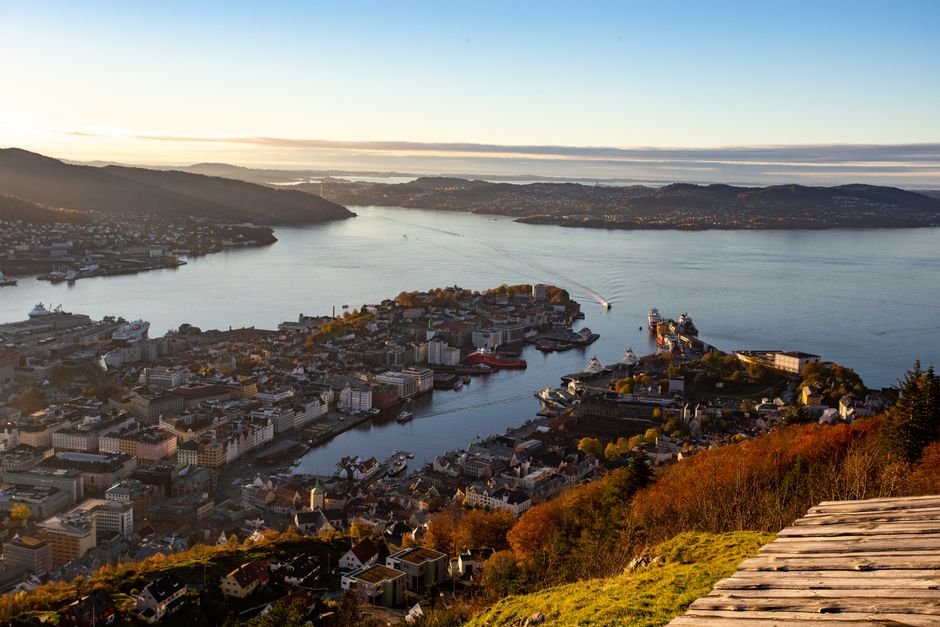
Good morning from Bergen, Norway, where wilderness camping Norway starts not with a tent but with a wet railing outside the Widerøe terminal at Flesland, my palm pressed against cold aluminum beaded with drizzle. The plane was small. The descent was rough. I watched the granite slabs come up through the window like the sides of a bowl.
Here is the thing about this terrain. It is old. The bedrock under Bergen is gneiss and granite, some of it over 1.5 billion years old, part of the Baltic Shield. That number is hard to hold in your head. It predates almost anything with roots or bones. You touch a boulder here and you are touching something older than complex life.
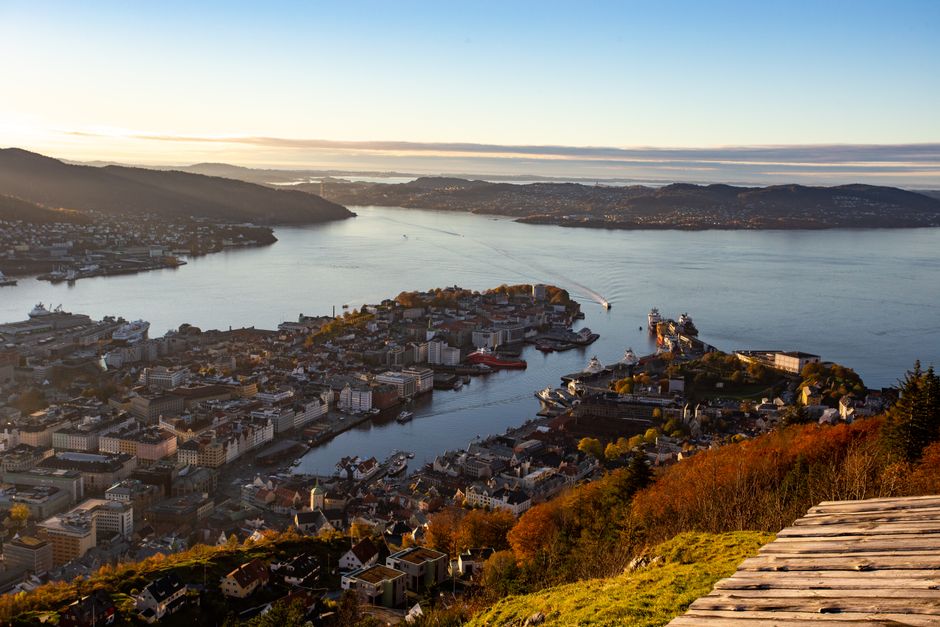
The valleys, though, are young by comparison. Ice did that work. During the last glacial period, sheets of ice more than a kilometer thick sat on top of this coast. They ground down. They gouged. Fjords like Byfjorden and the deeper cuts inland are drowned glacial troughs, carved by that slow pressure and then flooded when the ice pulled back and the sea rose. The U-shape of these valleys is the signature. Not V. U. Rivers cut V. Ice cuts U.
My plan was simple: reach the northern edge of the built-up area, then walk out toward camping ground. My plan met reality fast. The Bybanen light rail line was under maintenance on the stretch I needed. Signs. Replacement buses. A driver pointing vaguely uphill. So I went through the suburbs on foot and by a substitute coach, past wooden houses painted ochre and white, past gardens with wet trampolines, past a kiosk selling boller pastries that smelled of cardamom through the steamed-up glass.
It took longer. It cost me two extra hours. But it put me at eye level with the moraine deposits, the loose glacial rubble that these outer neighborhoods sit on. You see the rounded stones in retaining walls. Ice dragged those from somewhere north and dropped them here.
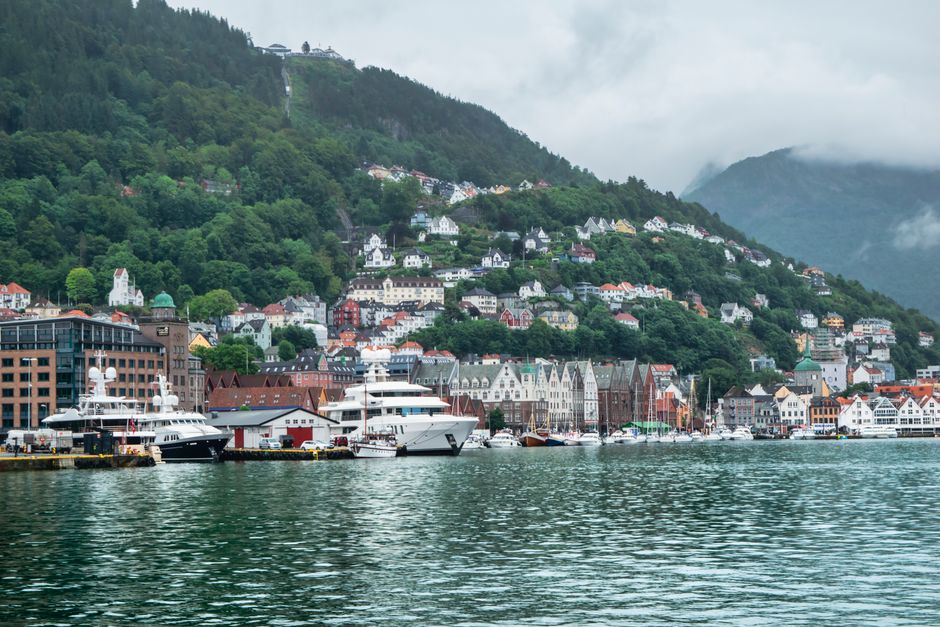
My pack is heavy today. Two DSLR bodies, a wide lens, the tent, the sleeping mat. My shoulders know it. The rain is fine and constant, the kind that does not stop, only pauses. Seven mountains surround this city. I am aiming past them, toward the raw ground.
Want to dig deeper? For more historical context and detailed information about Bergen, you can read more on Wikipedia.
🎧 Listen to my travel diary:
Setting Up Wilderness Camping Norway Near the Ridges
I hauled my pack up the trail behind Mount Ulriken. The rock here is old. Really old. We’re talking bedrock that predates almost anything you can imagine walking on. My boots scraped against exposed stone slick with morning damp. The air smelled of wet lichen and cold peat. Wilderness camping Norway starts with reading the land, and this land was carved by forces that took millions of years.
The valleys around here didn’t form gently. Ancient ice, thousands of meters thick, ground its way through these mountains. It scoured out the deep troughs you see today. I sat on a boulder that had clearly been dragged and dropped by that ice, an erratic sitting far from where it originated.
Reading the Ancient Rock Underfoot
The stone under my tent site showed scratch marks. Long parallel grooves. These are striations, gouged when the moving ice dragged debris across the bedrock surface. You can trace the direction the ice flowed just by following them. I ran my fingers along one. Cold. Precise. The rock is largely metamorphic and igneous, formed under immense pressure deep below the surface, then exposed as the mountains rose and eroded.
Practical note: the terrain is uneven and slick after rain. Waterproof boots are non-negotiable. I lost grip twice near the ledge above Ulriken643.
Comparing Bergen Trails With Quieter Osterøy
Everyone floods the Ulriken and Fløyen routes. They’re accessible. They’re photographed to death. But the island of Osterøy, just east, offers similar glacial terrain with a fraction of the foot traffic. Why choose Bergen’s hills anyway? Data-driven answer: the cable car access at Fløibanen cuts your ascent time to seven minutes, versus a two-hour slog on Osterøy. For a short trip, that logistics saving matters.
Wilderness camping Norway rewards those who read maps carefully. Osterøy wins on solitude. Bergen wins on time efficiency and rescue accessibility. Pick based on your schedule.
Insider Tip 1: Take bus 5 or 6 toward Lønborg to reach the lower Ulriken trailhead. It saves the pricey cable ticket if you want the full climb.
Tracing How Ice Shaped the Terrain
The mountains here were rounded, not sharpened, by the ice. You notice it in the smooth shoulders of the ridges. Frost still wedges into cracks each night, prying the rock apart slowly. I heard a distant crack echo across the valley near dawn. Rockfall. It happens.
The peat bogs I crossed sit in depressions the ice left behind. Boggy, spongy, smelling faintly of sulfur and decay. Wet socks guaranteed. The vegetation is thin because the soil layer is young. There simply hasn’t been enough time since the ice retreated for deep earth to build up.
Insider Tip 2: Camp above the tree line but below exposed ridges. Wind funnels hard through the troughs. I lost sleep to gusts my first night before repositioning.
Choosing Practical Basecamp Accommodation
Before heading up, I based myself at Citybox Bergen in the center. Around 950 NOK per night for a compact room. No frills. Self check-in kiosk, which suited me fine, but when my keycard failed at 11pm the night staff answered instantly and walked me through it. Efficient. Honest hospitality without upselling.
Compare that to the half-board fjord hotels charging 2,500 NOK plus for buffet dinners you’ll barely eat before an early trek. For wilderness camping Norway prep, a cheap central room beats a resort every time. You need storage for gear, not a spa.
My plan: a four-day budget route. Two nights in the city bookending two nights camping the ridges. Simple. Repeatable.
Understanding Why This Terrain Endures
What strikes me most is the age. This bedrock has survived cycle after cycle of ice advancing and retreating. Each period polished it, scarred it, then left it exposed again. The valleys deepened incrementally. The fjord basins below were gouged well beneath sea level by ice that pushed relentlessly toward the coast.
I ate cold flatbread and brown cheese at the summit, watching cloud shadows move across the rock faces. Practical food. Nothing fancy. Wilderness camping Norway isn’t about comfort. It’s about standing on ground that reminds you how briefly you’re here.
Insider Tip 3: Fill water at the marked springs near the Ulriken plateau. Buying bottled in the city center runs 30 NOK each, and you’ll drink four liters a day out here.
The descent took longer than the climb. My knees felt every meter. But the rock held firm underfoot, as it has for an unimaginable span, and I trusted it completely.
Final Entry: Reading the Ground
The rock here is old. Not old like a building. Old like it predates anything that could count time. I sat this morning with my palm flat against a cold slab and tried to understand what I was touching. Stone that formed deep underground, then got shoved up, then scraped bare over millions of years. You feel small. Not in a dramatic way. Just factual.
The valley I camped in was carved. You can see it in the shape. Long, smooth-sided, gouged out by something enormous and patient. Wilderness camping Norway teaches you to read terrain like this. The slopes tell you where water ran. The polished stone tells you what pressed down and dragged forward for centuries.
Morning air was sharp. Damp moss underfoot, that mineral cold coming up through the ground into my knees. Grey sky. A raven somewhere, complaining about nothing. I boiled water and watched steam disappear fast in the wind.
Hidden cost of the day: firewood. I assumed I could gather deadfall. Wrong. Regulations restrict open fires across much of this terrain during dry stretches, and the ranger info board made that clear. I ended up spending 89 NOK on a small bundle at a Coop on the way in. Small money, but it stacks up. Budget wilderness camping Norway is never quite as free as the brochures suggest. Plan for it.
Practical impact: I moved slower, ate cold food twice, and rationed gas.
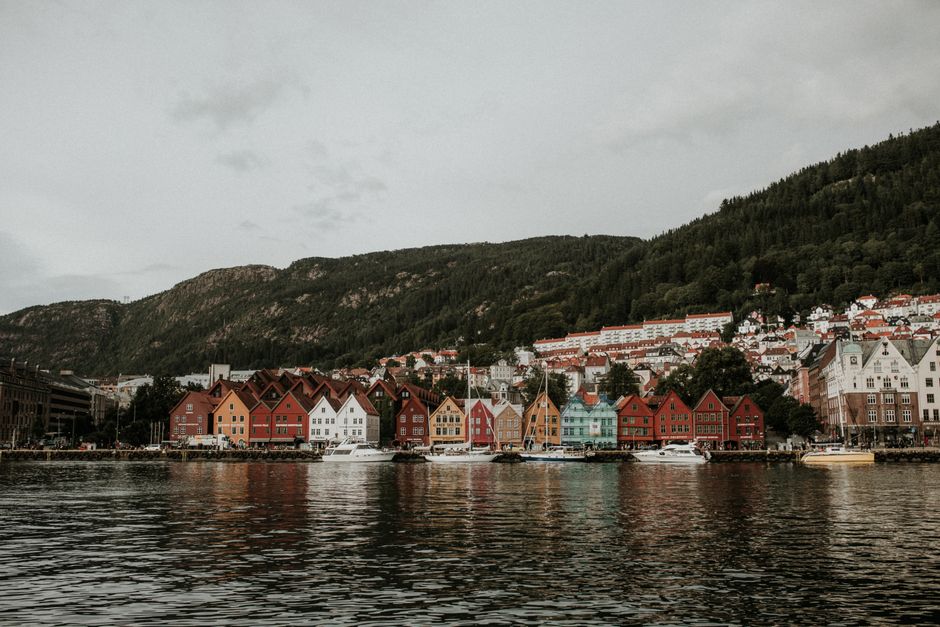
Tomorrow I head into Bryggen. I want to walk the old harbourside timber row, look at how the foundations sit on reclaimed ground, and photograph the narrow passages between the buildings before the day crowds arrive. Different stone. Different story. Same patient ground underneath.
More from my travel diary:
Share This Diary Entry
Disclosure: Some links in this post are affiliate links — if you make a purchase through them, I may earn a small commission at no extra cost to you.
Important Note: This diary is for entertainment and informational purposes. Always research local laws, travel advisories, and verify transport schedules before embarking on any journey. Affiliate links may be present.