💡 Traveler’s Pro Tip: This is one of those lessons I only learned after a few rough experiences. Now, I always rely on WeGoTrip for getting instant audio tours and skip-the-line museum tickets. It’s saved me more headaches than I can count.
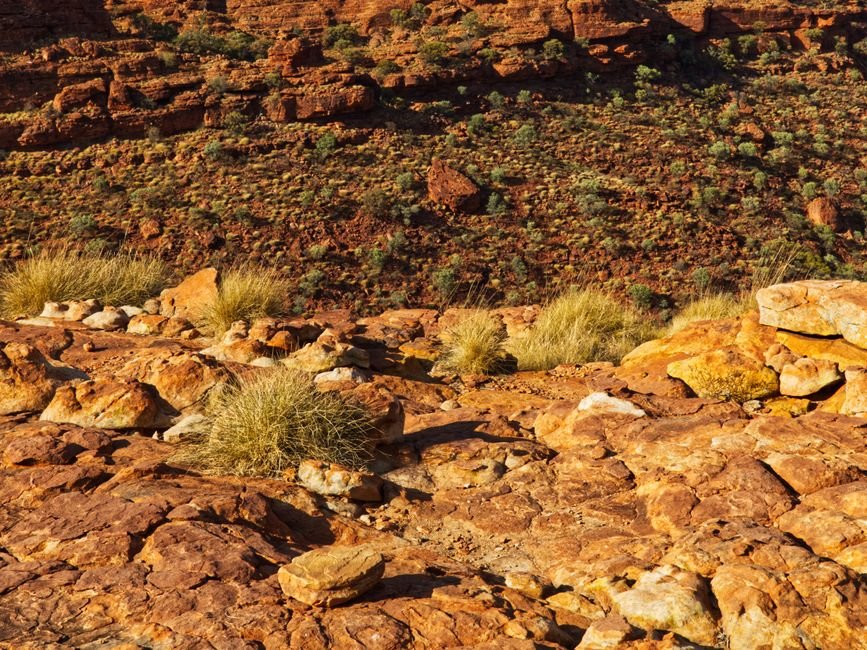
Good morning from Broken Hill, Australia, and this is what going Off The Beaten Path actually looks like: red dust caked into the grooves of my boots, thick enough that I’ve stopped bothering to knock it off. It’s on the DSLR body too, working its way past the seals. The air tastes faintly of iron. That’s not a metaphor. This whole town sits on one of the richest silver-lead-zinc deposits ever found, and you breathe a little of it in.
I got here on Rex Airlines. Small plane, hard landing, straight onto a tarmac that ripples with heat even in the morning. Broken Hill is genuinely remote. You feel that before you understand it. The nearest anything of size is hours of flat scrub away, and the town knows it. Everything here was built to be self-sufficient.
The mining line runs right through the guts of the place. The Line of Lode, a long spine of mullock and old headframes, sits above the streets like the town grew up hugging its own tools. Corrugated iron is everywhere. Homesteads, sheds, fences, roofs streaked with rust the same colour as the dirt. People built with what shipped in cheap and lasted long. Function first. Nobody was decorating out here.
You see the isolation in the character too. The Broken Hill mining unions were among the most organised in the country, because when you’re this far from help, you look after your own. That history is written into the wide streets and the solid stone of the older public buildings.
Today didn’t go to plan. A sudden downpour came out of nowhere, the kind that turns red dust to slick paste in minutes, and I ducked into a tiny bookstore with no name on the door. Two hours in there. Shelves of local mining histories, water tapping the iron roof above me, the smell of old paper and damp. The owner talked the whole time about how the town rations water, how the railway sidings out past the edge of town sit empty now, sleepers rotting.
That’s the thing about Broken Hill. The relics aren’t staged. The rusted winding gear, the ghost sidings, the iron homesteads still lived in. They’re just here, doing whatever they still do. This is a working outback town that never pretended to be anything else.
💻 The Nomad’s Tech Stack
One thing that never changes as I move from country to country: my hosting. I run this entire blog on Hostinger, and it’s held up reliably through every remote upload and time-zone switch.
🎧 Listen to my travel diary:
Rolling Off The Beaten Path Into The Silver City
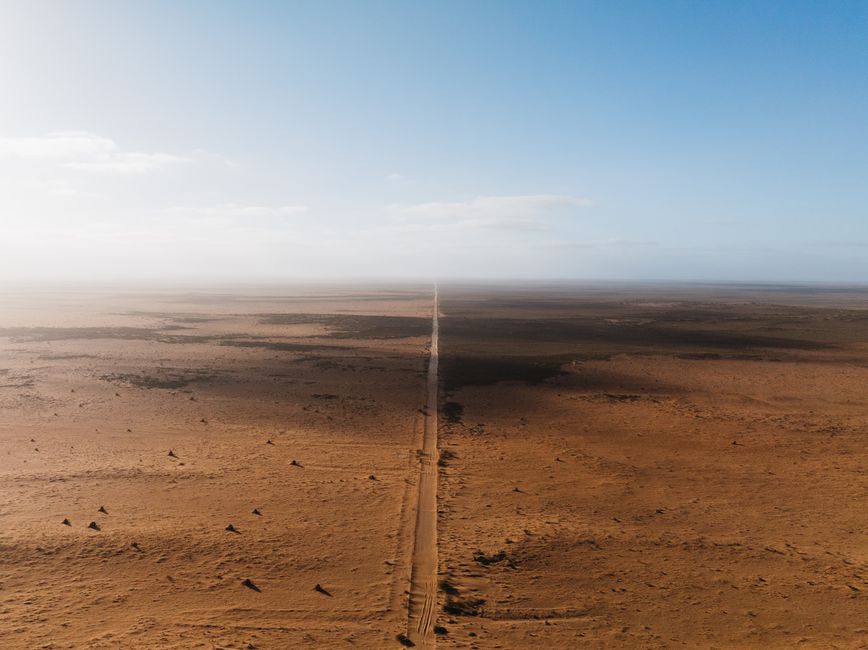
The drive in flattens you out. Hours of saltbush and nothing else. Then the settlement appears, low and stubborn against the horizon. I came here on a self-organised 4-day outback history run, driving my own hire car from the nearest connection point rather than flying. The road does the talking. You understand isolation only when you’ve spent 300 kilometres watching a single crow follow the car. This place grew out of stubbornness. People stayed because leaving cost more than staying. That logic still shapes the streets, the pubs, the way locals size you up before deciding you’re worth a full sentence.
Tracing The Ghost Settlements Beyond Town
Head north and you hit Silverton. Twenty-five kilometres out. It once held 3,000 people. Now it holds maybe 50 and a lot of empty stone. The old gaol still stands, converted into a small museum you can walk in under $10. Wander the Silverton township and you feel how quickly a place empties when the ore runs thin. Doors hang open. Foundations poke through dirt. This is the real reward of going off the beaten path here: watching a whole economy frozen mid-collapse. The Silverton Hotel still pours drinks and serves counter meals. Locals here talk plainly. No performance. They’ve seen every tourist who ever thought they discovered the outback.
Insider Tip 1: The road to Silverton is sealed, but the Mundi Mundi lookout track past it turns to dirt. Standard hire cars technically aren’t insured on it. Check your rental agreement or you’ll eat the excess yourself.
Comparing Value Against The Popular Alternative
People push you toward Coober Pedy for the outback experience. I’ve weighed both. Coober Pedy pulls bigger crowds and charges for it. Underground hotels there start around AUD 180 a night in peak season. Here, the same money gets you more room and fewer coaches disgorging day-trippers. Why choose this? Simple math. Accommodation runs 20-30% cheaper, the historical sites sit closer together, and you can walk most of the central grid on foot. Going off the beaten path means picking the town that hasn’t optimised itself for Instagram. This one hasn’t. It’s rougher, quieter, and it lets you set your own pace instead of queuing behind a tour bus.
Insider Tip 2: The 500 Broken Hill Explorer service does not run daily. Confirm timetables at the visitor centre before you plan a car-free day, or you’ll be stranded on the wrong side of town in 38-degree heat.
Bedding Down And Testing Local Hospitality
I stayed at the Royal Exchange Hotel on Argent Street. AUD 130 a night for a heritage room. The building dates to the early 1900s and the pressed-metal ceilings are original. Staff were direct and genuinely helpful. When I asked about the quieter historical spots outside town, the woman at reception drew me a rough map on the back of a receipt and told me which unmarked turnoff led to a disused settlement most visitors miss. That’s service you don’t buy in a chain hotel. Compare that to an all-inclusive resort package, where you pay AUD 250 and get a buffet and a staff member reading a script. Here the hospitality is human. Slightly gruff, entirely real. The bed was firm, the water pressure honest, and the breakfast was cheap eggs cooked properly.
For food, skip anything trying to look upmarket. The pub counter meal — steak, chips, salad — ran me AUD 22 and fed me twice. That’s the practical off the beaten path economics of an outback town: portions built for people who work hard, priced for people who don’t earn much.
Reading How Isolation Built The Character
Distance forged everything here. The Royal Flying Doctor Service was born from this exact problem: people dying because help sat 500 kilometres away. Visit the RFDS base and you understand the settlement’s psychology. Self-reliance wasn’t a slogan. It was survival. Entry runs around AUD 18 and the hangar tour is worth it. The School of the Air tells the same story from the children’s side — kids taught over radio because no school existed within reach. Book that visit ahead. They limit numbers.
Insider Tip 3: The School of the Air tour costs roughly AUD 10 and runs only on weekday mornings during term. Outside term dates the classrooms sit empty and you’ll get a hollow version of the experience.
Isolation made these people practical, blunt, and slow to trust — but loyal once you’ve earned it. That character is the actual attraction. The relics tell you what they built. The people tell you why. Going off the beaten path here isn’t about ruins. It’s about understanding how far humans will go to make an unforgiving patch of dirt into a home, and then staying long after the reason to leave arrives.
Final Entry: The Weight of Distance
The heat here has a texture. It sits on your skin by mid-morning and doesn’t leave. I spent the day walking the edges of this place, away from the wide main streets and into the pockets where the town frays into the desert.
You learn something about people out here fast. Everything is built to last, not to impress. The old sheet-metal walls were bolted for function. Isolation does that. When the nearest supply run is hundreds of kilometres, you fix what you have. You don’t replace it. That mindset is baked into the streets, the yards, the leaning water tanks left standing long after their owners moved on.
I found a stretch of quiet tracks on the town’s western fringe. Grass grew through the gaps. The wind carried grit and the faint smell of dry eucalyptus off the scrub. This is what going off the beaten path actually means. Not scenery. Just the residue of hard lives that stayed put because leaving cost too much.
Practical reality today: I underestimated water. I carried one bottle. Bad call. Out here the dry air pulls moisture from you without warning. I paid four dollars fifty for a replacement at a small servo—outback markup on the basics is real and it adds up. Budget for double what you’d drink anywhere else.
The comparison hit me hard. The packaged tour crowd sees this from an air-conditioned coach window. Off the beaten path, you feel the distance in your legs and your throat. That’s the difference.
Tomorrow I’m heading to the Living Desert Sculptures site on the northern rise. Early start, before the ground bakes. I want to see how the settlement’s edge meets the raw stone country beyond it. First light, more water, slower pace.
Want to dig deeper? For more historical context and detailed information about Broken Hill, you can read more on Wikipedia.
More from my travel diary:
Share This Diary Entry
Disclosure: A few links here are affiliate links, meaning I may get a small commission on a purchase, at no additional cost to you.
Important Note: This diary is for entertainment and informational purposes. Always research local laws, travel advisories, and verify transport schedules before embarking on any journey. Affiliate links may be present.