Disclosure: This post may contain affiliate links, meaning I get a commission if you decide to make a purchase through my links, at no cost to you.

🎧 Listen to my travel diary:
Unveiling Prague’s local secrets feels less like discovery and more like an archaeological dig, each layer of the city’s skin revealing a deeper past, like the intricate sandstone carvings on the Old Town Hall’s oriel window, where Gothic flourishes meet later Renaissance modifications, a testament to centuries of chisels and masons. The very air here carries the scent of damp stone and something akin to aged parchment, a heavy, earthy aroma that clings to the narrow passages. My arrival via Ryanair felt like a jarring leap from the sterile, modern cabin into a living museum, the hum of the aircraft quickly replaced by the resonant clang of trams on steel tracks and the rhythmic scuff of footsteps on ancient cobblestones. These aren’t the uniform pavers of a new city square; each stone here is a unique, weathered entity, worn smooth by countless soles, telling its own silent story of resilience. The tactile experience of running a hand over the cool, rough-hewn granite of a building base, then up to the smoother, more ornate stucco of a Baroque overlay, demonstrates a clear progression of construction techniques and available resources. It’s a constant visual dialogue between the austere, robust Romanesque foundations, built for defense and permanence, and the soaring, intricate Gothic spires reaching for the heavens, crafted from lighter, more refined blocks of local sandstone. This city doesn’t just display its history; it embodies it in its very bones, in the mortar that binds different eras of brick and stone together.
Walking through the Lesser Town, the stark contrast between the heavy, dark timber beams of an ancient inn and the brightly painted, ornate plasterwork of an adjacent Baroque palace is striking. The sounds are a tapestry woven from distant church bells, the murmuring flow of the Vltava River under the Charles Bridge, and the staccato chatter of Czech spoken with a cadence that feels both melodic and firm. Even the taste of a simple, warm Trdelník, dusted with cinnamon and sugar, offers a sensory anchor to the present, while the visual landscape pulls you relentlessly into the past. Every archway, every facade, every cobblestone underfoot contributes to this profound sense of time. The sheer density of historical periods visible in a single glance – a Romanesque crypt beneath a Gothic church, later given a Baroque facade, then adorned with Art Nouveau details – is a constant, quiet revelation. It forces an observer to slow down, to truly see the way human ingenuity and changing aesthetics have shaped this urban environment, one layer of material and craftsmanship at a time. This isn’t just about pretty buildings; it’s about the very geology of human endeavor, laid bare in stone and mortar.
💡 Traveler’s Pro Tip: Over the years of constant travel, I’ve learned the hard way. Now, I always rely on GetRentacar for getting personal car rental offers directly from local owners. It eliminates so much unnecessary stress when you’re on the road.
Uncovering Local Secrets of the Metropolis’s Foundations
March 12, 2026. The morning air bites, carrying the scent of damp earth and something akin to burnt sugar from a nearby vendor. My apartment, rented for a fraction of what a Half-Board hotel would demand, offers a view not of grand squares but of a narrow passage, where the daily rhythm unfolds without pretense. This is where the real pulse of the city beats, away from the curated experiences. My Canon 5D Mark IV, fitted with the EF 16-35mm f/2.8L III USM, feels substantial in my hand, ready to capture the raw textures of this place. The aim today: delve into the hidden infrastructure, the very veins beneath the skin of this ancient settlement, seeking out construction materials that tell a story beyond the obvious.
Subterranean Passages and Material Shifts
The city’s underground, specifically its older sewer and water systems, offers a profound lesson in engineering evolution. I spent hours navigating the information available on the city’s historical infrastructure. The earliest conduits, dating back centuries, were often simple open channels, later covered with flat stones. As the urban core expanded, these gave way to more complex networks, initially constructed from rough-hewn stone blocks, then transitioning to fired clay pipes and eventually reinforced concrete. The sheer scale of the change, from basic waste disposal to a sophisticated, multi-layered system, reflects the growth and increasing demands of the population. Walking above these hidden arteries, the uneven paving stones underfoot feel like a thin veil over centuries of buried effort. The contrast between the simple, robust early construction and the later, more refined techniques is stark. It’s a silent testament to continuous adaptation, a constant battle against the elements and the relentless march of time.
The Evolution of Building Faces and Openings
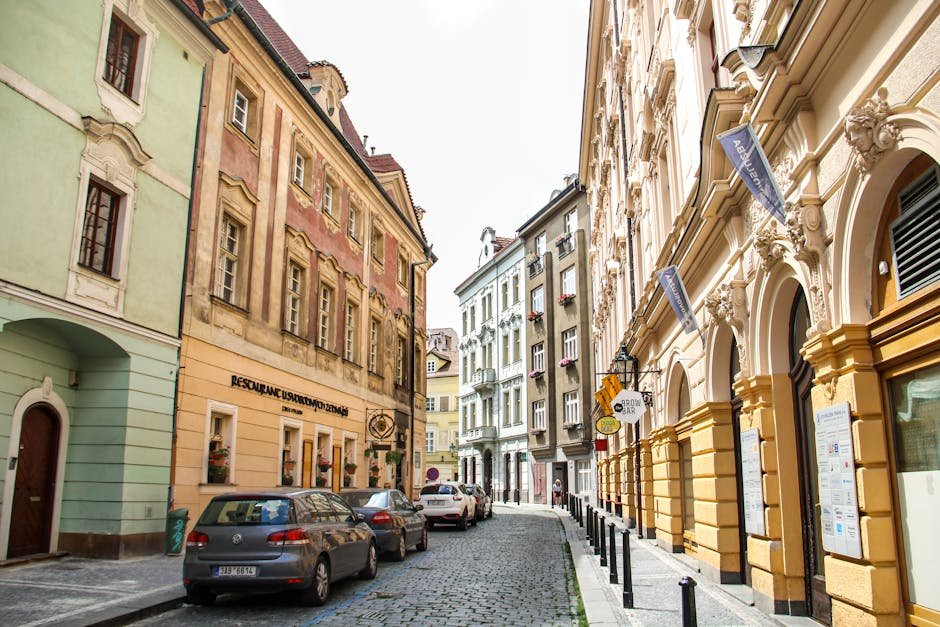
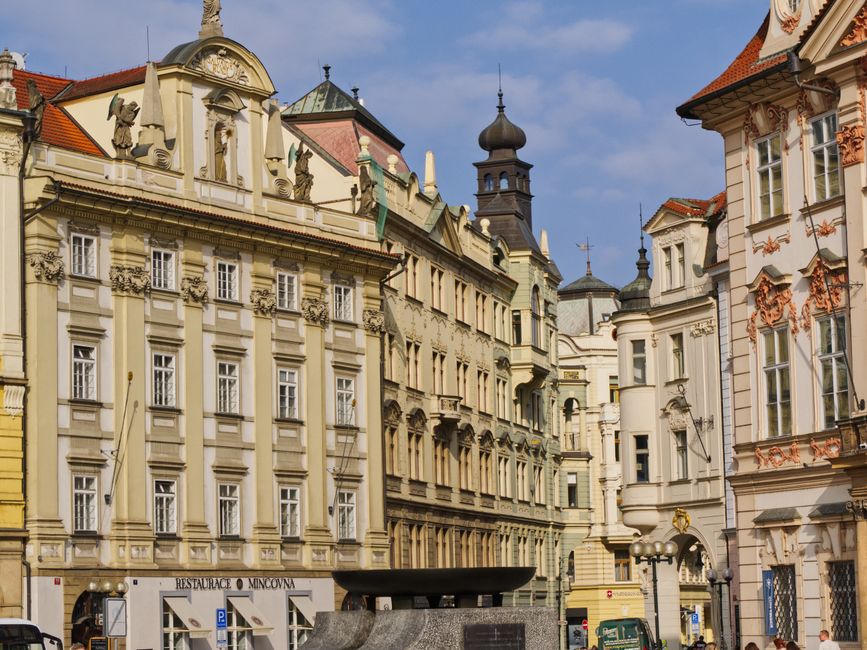
Moving through the districts, the visual narrative of construction materials is compelling. Early structures, particularly those surviving from the medieval period, often exhibit thick walls of local stone, their surfaces sometimes plastered over, sometimes left bare, revealing the irregular patterns of their placement. The openings for light and passage in these older edifices are typically modest, often featuring simple, curved tops. As centuries progressed, a more refined approach to building became evident. Structures from later periods showcase more intricate decorative elements, often utilizing a finer grade of local stone for detailed work around windows and entrances. The building faces themselves grew taller, more complex, often incorporating painted plasterwork that mimicked more expensive stone finishes. The wide-angle lens of the 16-35mm captures the sheer variety, from the solid, unyielding appearance of the oldest remaining walls to the lighter, more ornamental expressions of subsequent eras. Even the way light interacts with these different surfaces—how it catches the rough grain of ancient rock versus the smooth expanse of a later-period plastering—tells a story of changing aesthetics and available resources.
Aerial Perspectives on Urban Development
Later in the day, I launched the DJI Mavic 3 Pro from a discreet spot, gaining an overhead perspective that completely recontextualized the ground-level observations. From above, the layered development of the metropolis becomes astonishingly clear. The dense, irregular clusters of the oldest sections, characterized by their tightly packed structures and narrow lanes, contrast sharply with the more organized, expansive layouts of later expansions. The differing rooflines, some steeply pitched with clay tiles, others flatter with modern materials, mark distinct periods of growth. The patterns of the city’s growth, visible from this altitude, are like geological strata. I could trace the lines where ancient fortifications once stood, now replaced by avenues or parks, their former presence only hinted at by the subtle curvature of the surrounding street plan. The city doesn’t just exist; it has accreted, layer upon layer, each adding its own material and method to the enduring structure. The Museum of the City of Prague offers further insight into these urban transformations, while a visit to the Prague Public Transport Company website reveals the modern infrastructure connecting these historical layers. For a different kind of urban escape, the Botanical Garden of the Capital City of Prague provides a green counterpoint to the city’s dense construction.

Uncovering Local Secrets in Prague, Czech Republic
The day peeled back layers of material reality. Walking through older sections, the weight of history wasn’t just in stories, but in the ground underfoot. Earliest foundations, often rough-hewn, spoke of necessity and local availability. Over centuries, these gave way to refined masonry, precise cuts and arrangements reflecting advancing craft and economic prosperity. The shift from simpler, functional constructions to elaborate, decorative applications of stone and rendered surfaces wasn’t merely aesthetic; it mirrored a society expressing identity through permanent structures.
The contrast between robust, almost defensive older buildings and later, more ornamental structures was stark. One could trace the city’s evolving relationship with its surroundings – from defense to civic pride and artistic expression. Materials, from local aggregates to imported finishes, told a silent economic history. Each building, regardless of purpose, became a testament to the ingenuity and aspirations of its builders. Structures adapted, added to, or rebuilt using different techniques and materials illustrated a continuous negotiation with the past, a constant reinvention of urban space.
This evening, the air holds the scent of roasted meat from a nearby *lokál* I found, a small place serving *guláš* and *knedlíky*. It’s a stark counterpoint to the polished, insulated experience of larger, impersonal hotels. My rented room, a simple space above a bustling street, offers a direct sensory connection to the city’s pulse, far removed from the sanitized environments of an “All-Inclusive” package. The sounds of conversations drifting up, the distant hum of city life – this is the authentic resonance I seek.
Tomorrow, the plan is precise: I will navigate to the Vyšehrad district. I intend to meticulously document the fortifications there, specifically observing shifts in stone-laying techniques and the strategic use of different geological formations for defense and construction. The objective is to understand how early builders integrated natural topography with engineered solutions, a distinct chapter in the city’s material narrative.
Want to dig deeper? For more historical context and detailed information about Prague, you can read more on Wikipedia.
💻 The Nomad’s Tech Stack
Many of you ask how I manage to keep this diary online while constantly moving and documenting the world. I host my blog entirely on Hostinger. It’s incredibly reliable, fast, and ensures my content stays live even when I’m uploading massive photo files from remote locations.
More from my travel diary:
Share This Diary Entry
Important Note: This diary is for entertainment and informational purposes. Always research local laws, travel advisories, and verify transport schedules before embarking on any journey. Affiliate links may be present.