Disclosure: This post may contain affiliate links, meaning I get a commission if you decide to make a purchase through my links, at no cost to you.

🎧 Listen to my travel diary:
Good morning from Iquitos, Peru. The first thing that catches my eye, even amidst the cacophony of mototaxis and the humid breath of the Amazon, is the stark, corrugated iron skin of the Casa de Fierro, a testament to the city’s opulent past and a curious anchor for any discussion on budget eco-tourism here. This structure, purportedly designed by Gustave Eiffel, stands as a bewildering anomaly of prefabrication, shipped piece by piece from Europe during the rubber boom. Its dark, oxidized panels, bolted together with visible rivets, absorb the relentless equatorial sun, radiating heat onto the Plaza de Armas. Unlike the locally sourced timber and palm thatch that characterize the majority of dwellings, often elevated on stilts to evade the rising river, the Iron House speaks of an era when wealth flowed like the Amazon itself, allowing for the importation of entire buildings, a stark contrast to the ingenious, adaptive construction methods I’ve observed in the surrounding barrios. I arrived here via LATAM, the journey from Lima depositing me directly into this landlocked port city, the largest in the world unreachable by road. The air, thick and sweet with the scent of fermenting fruit and diesel fumes, clings to the skin, a constant reminder of the jungle’s proximity. My rented room, a simple concrete box with a single fan, offers little in the way of luxury but provides an authentic immersion, far removed from the air-conditioned isolation of the all-inclusive lodges catering to a different kind of traveler. Here, the floorboards of older, less ostentatious buildings creak underfoot, revealing generations of wear, the timber often patched with whatever scraps are available, a testament to resilience rather than grandeur. The rhythm of life is dictated by the river and the sun, not by hotel schedules. Observing the local families mend their wooden boats near the Belén market, I see a continuity of craft, a practical engineering passed down, a stark counterpoint to the ambitious, almost defiant, European architecture that occasionally punctuates the cityscape. This city is a living museum of adaptation and aspiration, its materials telling stories of both global ambition and local ingenuity.
💡 Traveler’s Pro Tip: Over the years of constant travel, I’ve learned the hard way. Now, I always rely on Qeeq for booking rental cars with price drop protectors. It eliminates so much unnecessary stress when you’re on the road.
Navigating Iquitos: A Budget Eco-Tourism Approach
Stepping off the Sky Airline flight into the humid embrace of Iquitos, the air immediately presses in, thick and warm, carrying the scent of damp earth and distant cooking fires. My rented room, a stark contrast to the air-conditioned sterility of the Delfin Amazon Cruises luxury vessels I’d seen advertised, offers only a single bare bulb and the constant thrum of the city. For the cost of one night on those river hotels, I secure a week here, allowing for deep immersion. My focus is not on manufactured comfort, but on the raw, unvarnished truth of this isolated urban center. The streets, a chaotic ballet of three-wheeled vehicles and pedestrians, demand constant vigilance. The ground beneath my worn boots is a patchwork of cracked concrete and packed earth, each step a tactile record of the city’s unyielding reality.
Echoes of European Grandeur: Architectural Anomalies
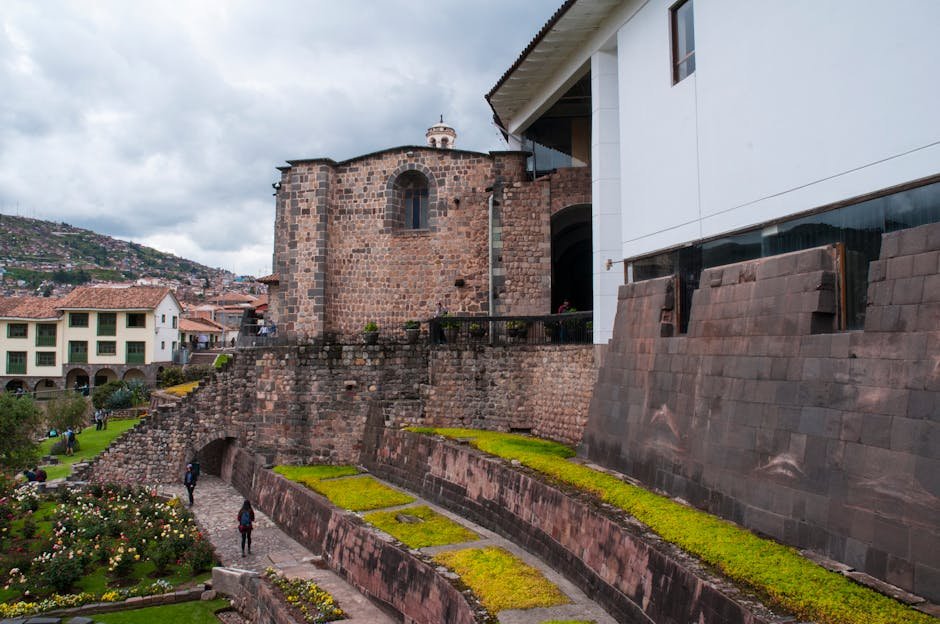
My Nikon D800, paired with the Nikkor 50mm f1.4, becomes an extension of my gaze, dissecting the structural integrity of the city’s older buildings. Many of these structures, particularly along the riverfront and in the more established districts, betray a surprising European influence. Their facades, often rendered in stucco over brick, show signs of persistent battle against the equatorial climate. I examine the intricate ironwork balconies, clearly imported, their delicate patterns now softened by rust and layers of repaint. The challenge of constructing such detailed masonry in this remote jungle location, without modern heavy machinery, speaks volumes of the ambition that once fueled this city. The foundations, often shallow given the soft, alluvial soil, show visible signs of settling, creating subtle undulations in the walls. These buildings are not merely shelters; they are enduring testaments to a past era, standing resolute against the encroaching vegetation and relentless humidity.
Beneath the Surface: Foundation and Form
I spend hours observing the construction methods. The older, more substantial buildings, unlike the quickly erected modern concrete blocks, often feature double-brick walls, providing a degree of thermal mass against the intense daytime heat. The mortar, a simple lime-sand mix, shows its age, crumbling in places, revealing the hand-cut brickwork beneath. The roofs, typically pitched steeply, are designed to shed the torrential rains, often clad in ceramic tiles or metal sheeting, though the original materials are often difficult to discern beneath layers of repair. The weight of these materials, transported upriver, must have been immense. It’s a study in logistical determination. The ground floors, often raised slightly above street level, hint at past flood concerns, a practical consideration in a city surrounded by water. The interiors, glimpsed through open doorways, reveal high ceilings and thick walls, a passive attempt at climate control.
Local Sustenance vs. Resort Plates
The culinary landscape here is as authentic as the architecture. My meals are sourced from street vendors and small, local eateries, a stark contrast to the homogenized buffet offerings of the Hotel Victoria Regia. A plate of *juane*, fragrant with turmeric and wrapped in a bijao leaf, costs a fraction of a resort appetizer and offers a flavor profile infinitely more complex. The sensory experience is complete: the sizzle of *tacacho con cecina* on a griddle, the sharp, tangy scent of lime on fresh river fish, the rough texture of a plantain patty. This is sustenance that fuels the body and informs the mind, connecting me directly to the local rhythm. I avoid the packaged, imported goods, opting instead for the vibrant, immediate produce of the region, understanding that each meal is a direct contribution to the local economy, not a distant corporate entity.
The Urban Fabric: A Study in Persistence
Beyond the individual structures, the city’s overall infrastructure tells its own story. The drainage systems, rudimentary in many areas, struggle with the sheer volume of rainfall, leading to temporary pooling that reflects the sky like fractured mirrors. The older, paved sections of road show centuries of wear, the cobbles uneven, forcing a deliberate pace. I spend an afternoon at the Museo Amazónico, examining artifacts that speak to the long history of human presence here, then consider the path to Reserva Nacional Pacaya Samiria, a testament to the region’s enduring natural grandeur. The city is a living organism, constantly rebuilding, adapting, and asserting its unique identity against the forces of nature and time. Each brick, each worn pathway, each culinary interaction contributes to a profound understanding of this remote Amazonian hub.

Iquitos, Peru: Budget Eco-Tourism in the Amazon
The older structures in Iquitos stand as defiant markers of an earlier prosperity, their very existence a testament to the materials and skill invested. I spent the morning examining the enduring
This tangible history, so different from the sanitized comfort of
Tomorrow, I have a specific objective. I will focus my exploration on the
Want to dig deeper? For more historical context and detailed information about Iquitos, you can read more on Wikipedia.
💻 The Nomad’s Tech Stack
Many of you ask how I manage to keep this diary online while constantly moving and documenting the world. I host my blog entirely on Hostinger. It’s incredibly reliable, fast, and ensures my content stays live even when I’m uploading massive photo files from remote locations.
More from my travel diary:
Share This Diary Entry
Important Note: This diary is for entertainment and informational purposes. Always research local laws, travel advisories, and verify transport schedules before embarking on any journey. Affiliate links may be present.