Disclosure: This post may contain affiliate links, meaning I get a commission if you decide to make a purchase through my links, at no cost to you.
💻 The Nomad’s Tech Stack
Many of you ask how I manage to keep this diary online while constantly moving and documenting the world. I host my blog entirely on Hostinger. It’s incredibly reliable, fast, and ensures my content stays live even when I’m uploading massive photo files from remote locations.
🎧 Listen to my travel diary:
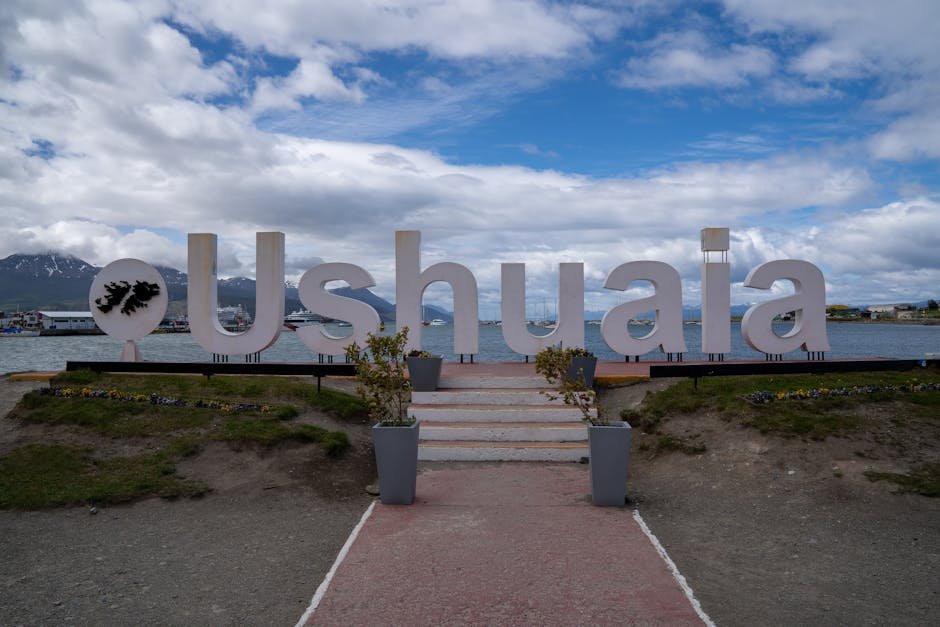
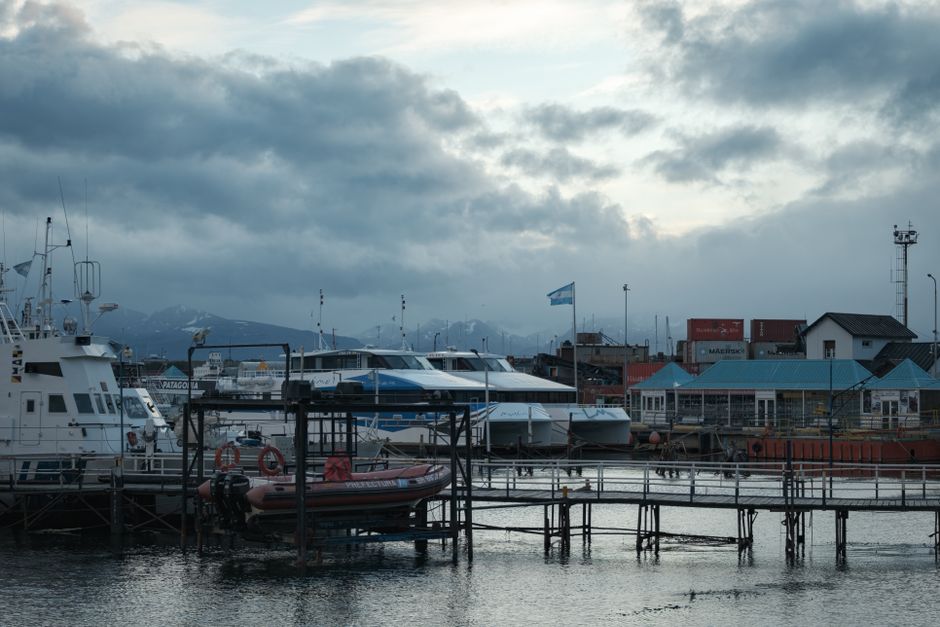
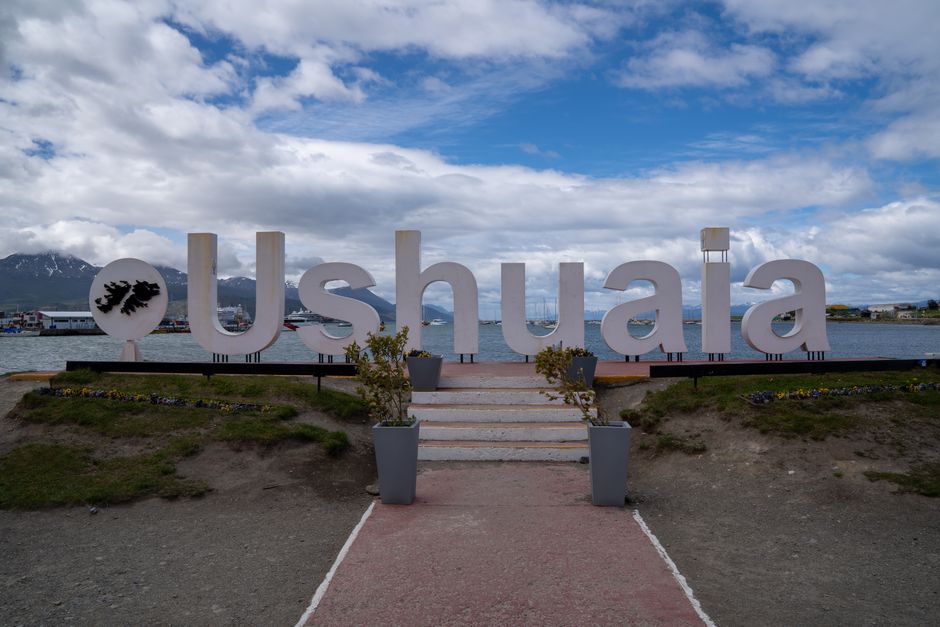
Good morning from Ushuaia, Argentina. The chill, damp air carries the unmistakable scent of brine and diesel from the docks, a constant reminder of the extreme landscapes that define this city. My phone’s clock was off, or perhaps the local bus schedules operate on a more fluid timeline. This miscalculation, however, gifted an unplanned hour watching the raw, industrial ballet of the port. Forklifts shrieked as they shifted massive containers, their engines battling the persistent wind that whips off the Beagle Channel. The corrugated iron roofs of the workshops lining the waterfront gleamed with moisture, reflecting the low, heavy sky.
This forced observation provided a stark lens into the sheer grit required to exist at the world’s edge. The jagged peaks of the Fuegian Andes rise directly from the city’s back, their rock faces scarred by the colossal forces of ancient ice flows. These mountains, still capped with snow even in late spring, speak of a geological past where glaciers carved valleys and fjords with immense power, shaping the very terrain I stand upon. The Aerolineas Argentinas flight brought me here, directly into this raw environment, a place where human presence feels like a determined intrusion against a formidable natural backdrop. The Yamana people, the original inhabitants, navigated these same waters for millennia, their very existence a profound example of indigenous resilience against such a formidable environment.
The distant sound of a ship’s horn echoes across the water, a deep, resonant call swallowed quickly by the vastness. It’s a sound that grounds you to the reality of Ushuaia’s strategic position, a gateway to even more remote southern territories. My rented apartment, a no-frills space a few blocks from the waterfront, offers a basic kitchen. This contrasts sharply with the distant cruise ships docked, their windows glowing with the promise of prepared meals. Tonight, sustenance will come from a local bakery, something solid and warm, a practical choice for enduring the biting cold that permeates everything. This is a land shaped by ice, wind, and rock, where every structure, every daily routine, is a direct response to the powerful forces of its geological history.
💡 Traveler’s Pro Tip: Over the years of constant travel, I’ve learned the hard way. Now, I always rely on WeGoTrip for getting instant audio tours and skip-the-line museum tickets. It eliminates so much unnecessary stress when you’re on the road.
Want to dig deeper? For more historical context and detailed information about Ushuaia, you can read more on Wikipedia.
Navigating the Raw Power of Extreme Landscapes
The wind here bites, not just with cold, but with an ancient ferocity that feels like it has scoured this land for millennia. Stepping off the Aerolíneas Argentinas flight, the air immediately carried the scent of damp earth and distant, cold rock. Ushuaia itself felt less like a city and more like a rugged outpost, clinging to the edge of a world shaped by immense, unforgiving forces. This place is defined by its extreme landscapes, a constant reminder of the planet’s raw power. The mountains rise abruptly from the sea, their peaks jagged and dark, often shrouded in low-hanging cloud that makes them feel impossibly close. The sheer scale of the geological formations here is a shock, even for a seasoned traveler accustomed to dramatic scenery.
Tracing Ancient Scars on the Earth
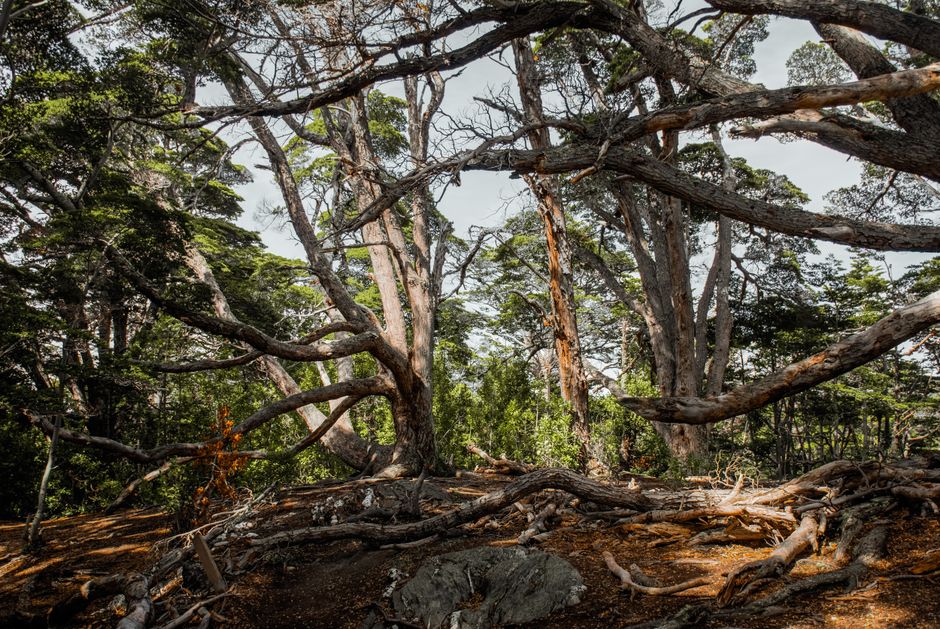
Venturing into Parque Nacional Tierra del Fuego reveals the deep-seated history of this land. The valleys are not merely carved; they are gouged, exhibiting a U-shape that speaks of colossal ancient forces. These immense continental movements and past epochs of intense cold created the deep troughs and the sharp, ridged mountainsides. The earth here feels alive with its history, a testament to the powerful erosional forces that have endlessly worked on these extreme landscapes. Walking the trails, the ground underfoot shifts between compacted soil, exposed rock, and patches of thick, damp moss. The silence is profound, broken only by the rustle of wind through stunted lenga trees and the distant roar of the ocean. It’s a sensory overload of texture and sound, grounding you in the sheer physicality of this place.
Witnessing Resilience Amidst Harsh Formations
The ancestral communities who lived here for thousands of years understood these raw formations intimately. Their survival strategies were woven into the fabric of these challenging extreme landscapes. Observing the rudimentary tools and the few remaining sites speaks volumes about their incredible adaptability. They navigated this harsh environment, extracting sustenance from the sea and the sparse terrestrial resources, enduring the relentless winds and the long, cold periods. Their legacy is not just in artifacts, but in the very pathways they forged and the knowledge passed down. It’s a humbling reflection on human tenacity. For those seeking to explore these historically significant, geologically shaped areas, an insider tip: the local Bus Línea Regular provides efficient transport from downtown directly to the National Park entrance, costing approximately 3,500 ARS per person for a round trip, significantly cheaper than organized tours.
Contrasting Value in the Uttermost South
When considering destinations in this remote region, Ushuaia stands out against a lesser-known rival like Río Grande. While Río Grande offers a glimpse into the industrial and fishing backbone of Tierra del Fuego, it lacks the immediate, immersive access to the specific kind of extreme landscapes that define the southern tip. Ushuaia, by contrast, is a direct gateway. Why choose this? Ushuaia offers unparalleled proximity to diverse geological features, from deeply sculpted valleys to high-altitude tarns, all within a compact area. This provides a concentrated experience of the planet’s raw formative power, without extensive travel. The value here lies in the direct, unmediated interaction with the natural world. An insider tip for authentic, budget-friendly meals: bypass the main tourist strip’s inflated prices. Seek out local *parrillas* on Avenida Maipú further east or on streets like Gob. Paz. A substantial *menú del día* can often be found for around 8,000 ARS, offering genuine local flavors.
Sustaining Existence in a Frontier Town
My five-day immersion into the geological and cultural strata of the region required a practical base. I opted for Hotel Canal Beagle. For $120 USD per night for a standard room, it offered a clean, warm, and functional space. The customer service was efficient and no-nonsense, precisely what’s needed after a day confronting the elements – a practical approach that prioritized warmth and a reliable roof over frills. This contrasted sharply with the often impersonal and overpriced ‘Half-Board’ options I observed further up the coast. Another insider tip: be prepared for the National Park entrance fee. It’s currently around 12,000 ARS for foreign non-residents. This is a significant logistical cost to factor in, but it is absolutely essential for accessing the core of these magnificent extreme landscapes and truly understanding their scale. The crisp air, the taste of freshly baked *empanadas* from a small, unassuming shop, the sight of the mountains reflected in the water of the bay – these are the realities of life at the end of the world, experienced directly, without buffer.
Outro
The air bites with a constant edge, a reminder that this land demands respect, not comfort. Every exposed rock face, every visible stratum, tells a story of immense, slow-motion power, a history etched in stone rather than ink. The very ground here feels like a testament to enduring change, a stark difference from the manicured parks of home. This environment shapes everything: the stunted growth of hardy trees, the relentless, cold flow of water through deep cuts in the terrain. It’s a place of truly extreme landscapes.
I walked past a local construction site today, watching men wrestle heavy timber into place. The sheer effort in this climate, the constant struggle against the elements to build anything permanent, brought home a hidden cost. Materials arrive by truck from far away, but the real price is the sustained physical labor, magnified by the biting air and the unforgiving ground. This isn’t just about importing goods; it’s about the grit and resilience required to make anything stand against such persistent, natural forces. It’s a logistical reality that hits differently when you feel the constant challenge firsthand.
The day’s observations underscore the profound adjustments required to inhabit such a region. The scale of the natural world here dwarfs human endeavors, yet people persist. The evidence of past inhabitants, their subtle marks on this unyielding ground, speaks volumes without needing a lecture. Their ingenious use of limited resources, their deep understanding of how to survive within these extreme landscapes, is palpable in the echoes of their existence, a quiet testament to their ability to adapt.
Tomorrow, I will focus on the area around the old prison, near the city center. I want to trace the path along the waterfront, observing how the natural contours of the land meet the first human structures. This will allow for further examination of how a settlement adapts to and integrates with such a demanding natural backdrop, specifically noting the older architecture and its relationship to the surrounding terrain and the consistent, cold breeze off the water.
More from my travel diary:
Share This Diary Entry
Important Note: This diary is for entertainment and informational purposes. Always research local laws, travel advisories, and verify transport schedules before embarking on any journey. Affiliate links may be present.