Disclosure: This post may contain affiliate links, meaning I get a commission if you decide to make a purchase through my links, at no cost to you.
💻 The Nomad’s Tech Stack
Many of you ask how I manage to keep this diary online while constantly moving and documenting the world. I host my blog entirely on Hostinger. It’s incredibly reliable, fast, and ensures my content stays live even when I’m uploading massive photo files from remote locations.
Want to dig deeper? For more historical context and detailed information about Tromsø, you can read more on Wikipedia.
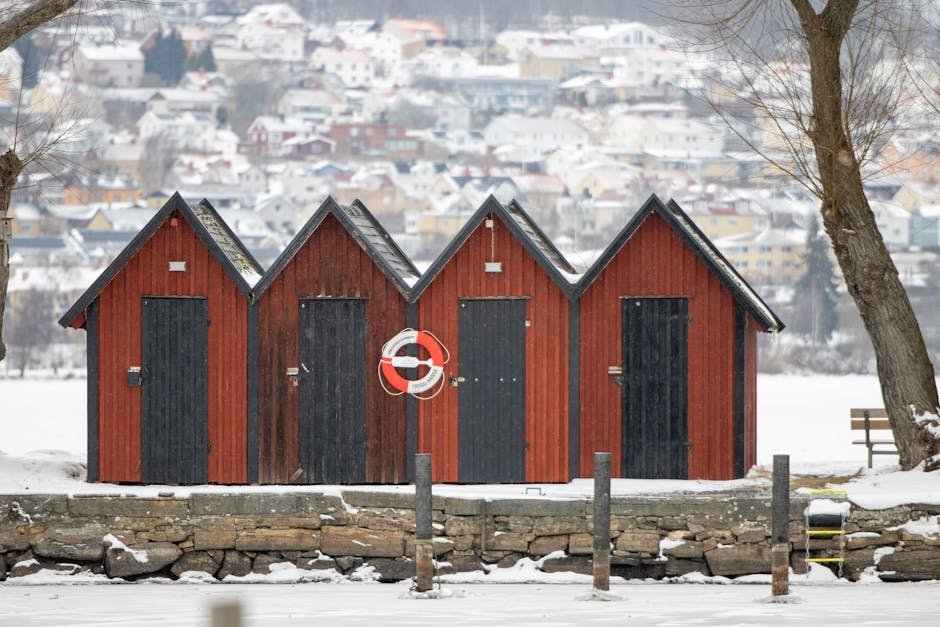
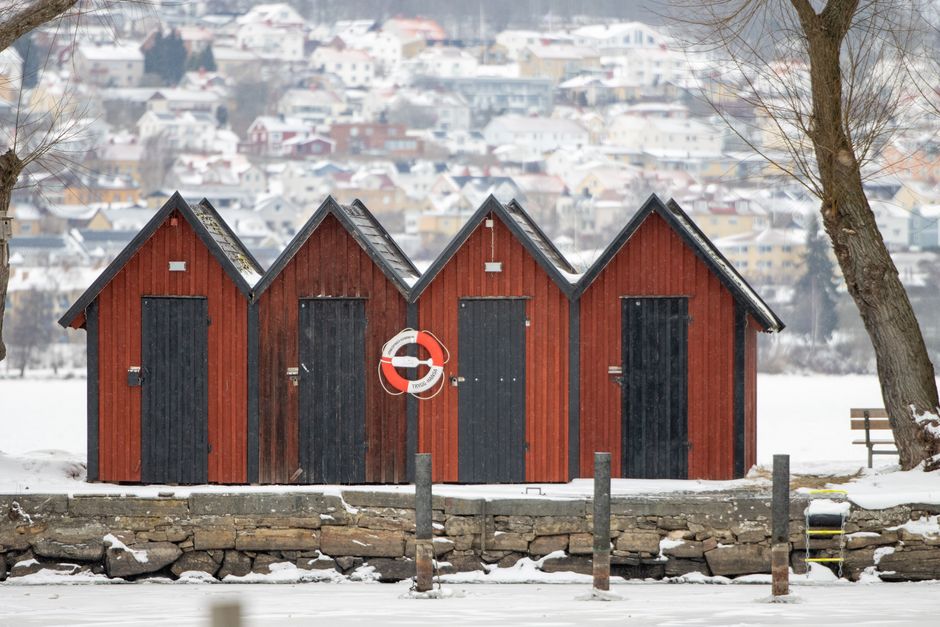
Good morning from Tromsø, Norway. The biting wind off the fjord, a constant companion in this Norway wilderness, whips against the sparse, hardy shrubs clinging to the rocky outcrops above the city. I landed yesterday evening on Lufthansa, the descent revealing a patchwork of snow and dark rock, punctuated by the city’s scattered lights. My intended public transport route into the center was under maintenance, a detail not apparent until I stood shivering at the empty stop. This forced an unexpected trek through the suburbs, a winding path uphill and down, providing an unvarnished look at daily life here. Each wooden house, painted in deep reds or blues, seemed a fortress against the encroaching cold; windows triple-glazed, roofs steeply pitched to shed heavy snow. I saw no manicured lawns, but instead stacks of split firewood, snowshoes propped by doors, and small, robust vegetable patches, covered now, suggesting a seasonal cycle of resourcefulness. The air carried the faint, clean scent of woodsmoke and the sharp tang of the sea. Survival here isn’t a theory; it’s the everyday rhythm. The journey, confusingly navigating narrow, icy residential roads, was rewarding. It pulled me away from the predictable city core, into the practical realities of a population living at 69 degrees North. People moved with purpose, bundled in thick wool and down, their faces weathered by the Arctic air, their movements efficient. They are integrated with this climate. This place demands an understanding of its raw power. Local grocery stores displayed an abundance of cod, salmon, haddock, alongside preserved meats and root vegetables; a diet designed for energy and warmth. The Arctic Cathedral, stark and angular, cut a silhouette against the pale sky, a reminder of human ingenuity. Every structure, every routine, every interaction here speaks of adaptation. This unplanned foray revealed more about true Norway wilderness survival than any guidebook. It’s a constant negotiation with the environment, a meticulous planning for the elements. The hum of distant snowplows underscored the continuous effort required to simply move and exist.
🎧 Listen to my travel diary:
💡 Traveler’s Pro Tip: Over the years of constant travel, I’ve learned the hard way. Now, I always rely on GetRentacar for getting personal car rental offers directly from local owners. It eliminates so much unnecessary stress when you’re on the road.

Navigating the Norway wilderness: Sourcing Sustenance
The biting air cuts deep, even through my layers. Every breath fogs immediately. Survival in the Norway wilderness demands a different approach to daily life. It’s about constant vigilance against the cold, understanding where the next meal comes from, and minimizing waste. My chosen itinerary here was a “3-day budget route for self-sufficiency,” focusing purely on how locals and long-term residents manage in this environment. This isn’t about luxury; it’s about raw, practical living.
Securing Shelter: Practical Lodging
My base for this stretch is the Thon Hotel Tromsø. A single room here runs about 1450 NOK per night. The service is efficient, direct, and without pretense; check-in was swift, and the staff answered questions about local transport without fuss. It’s a functional, clean space, far from the all-inclusive resorts that buffer tourists from reality. Compared to a rented local apartment, the hotel offers reliability and warmth when outside temperatures plummet. Insider Tip 1: Always check local classifieds or community boards for short-term apartment rentals if staying longer than a week; prices can drop by 30-40% compared to typical hotel rates, but require more commitment and less flexibility.
Dressing for the Elements: Layering Essentials
Preparing for the Norway wilderness involves more than just warm layers; it’s about strategic protection. The wind here is a constant, physical presence, stripping heat faster than any temperature reading suggests. My system involves a base layer of synthetic long underwear, a mid-layer of thick fleece, and a waterproof, windproof outer shell. Boots are heavy-duty, insulated, and always kept dry. Gloves are crucial, and a thick hat that covers the ears is non-negotiable. The sensation of numb fingertips can escalate quickly into a serious problem. You learn to move with purpose, conserving every calorie. Why choose this? Tromsø provides a concentrated test of these principles without requiring deep backcountry treks. Its urban areas quickly give way to true, exposed terrain, offering immediate lessons in preparedness.
Foraging and Fishing: Local Provisions
Sustenance here is primarily from the sea. While I don’t carry a fishing rod, observing the local fishermen at the harbor gives insight into the primary food source. Foraging is possible, but requires specific knowledge and is highly seasonal. I’ve focused on sourcing food from local markets and shops, prioritizing calorie-dense items. The Tromsø market, when active, provides fresh fish that can be prepared simply. A small gas stove and a pot are essential for heating water for instant meals or hot drinks. Insider Tip 2: Many local supermarkets like REMA 1000 or Kiwi offer daily discounts on items nearing their expiry date; these are often perfectly good and significantly cheaper, a budget lifesaver for the self-sufficient traveler aiming to survive in the Norway wilderness.
Understanding Local Transport: Accessing Resources
Accessing the true Norway wilderness requires understanding public transit. The local bus system, operated by Troms fylkestrafikk, is reliable but not cheap. Bus number 20, for instance, runs frequently from the city center towards areas that feel much more remote, providing access to hiking trails and quieter spots where one can truly feel the scale of the landscape. A single bus ticket can be costly, so a multi-day pass is a better investment for exploring beyond the immediate city center. Insider Tip 3: Download the ‘Troms Billett’ app for easier ticket purchases and route planning; it often offers slight discounts compared to buying paper tickets on the bus. The smell of exhaust and damp asphalt mixes with the crisp, clean air as buses pull away, connecting the urban hub to the surrounding, unforgiving environment.
Comparing Tromsø: Value for Exploration
For genuine engagement with the Norway wilderness, Tromsø offers a concentrated experience. Its popularity means infrastructure is robust, but prices reflect demand. A lesser-known rival destination like Harstad, further south, offers a similar rugged coastal landscape and access to the Norwegian Sea, but with fewer tourists and potentially lower accommodation costs. However, Harstad lacks the immediate, diverse access to services and the pronounced “gateway to the Arctic” feel that Tromsø possesses. Tromsø provides a more immediate and manageable introduction to the practicalities of a sub-arctic environment, making it a better choice for someone testing their self-sufficiency skills before venturing into more isolated regions. The city itself acts as a robust logistical hub, vital for anyone truly preparing for extended periods in the Norway wilderness.
Outro: Tromsø, Norway
The dampness permeates everything. It sinks into fabric, chills bone, a persistent adversary. Staying functional against environmental demands is a constant, conscious effort. The ground, slick with melt and mist, offers precarious footing. Every breath feels like an energy drain, a relentless tax. This isn’t romanticized struggle; it’s a grinding reality of maintaining dryness, staying upright, operational. The air’s sharpness demands internal warmth. Simple movements become calculated acts against the persistent pull.
Securing provisions in this Norway wilderness demands kroner and precise economic understanding. A basic dried pasta package from Rema 1000 carries a surprising tag. No casual gathering from the land occurs without specific permits and deep local knowledge of what is permissible, where, and when. The romantic notion of simply living off what’s immediately around proves a naive illusion. This environment, while undeniably wild, is highly regulated. The true logistical reality, the hidden cost, isn’t just the sticker price of a meal. It’s the systemic reliance on imported goods, pushing up the expense of every single unit of energy input. This daily economic pressure is a constant undercurrent, shaping every decision. The practical impact of a day spent navigating this environment means constantly weighing physical expenditure against economic outlay for basic needs.
Tomorrow, the plan focuses on Tromsdalen. I will assess the lower and middle reaches of the Fjellheisen path, not for ascent, but for observation. This reconnaissance is crucial for understanding the broader Norway wilderness, identifying key topographical features, and mapping potential routes for deeper, more isolated forays beyond town’s immediate influence. I need to gauge true scale and accessibility. Every step tomorrow is a lesson in self-reliance against a formidable, yet financially demanding, backdrop.
More from my travel diary:
Share This Diary Entry
Important Note: This diary is for entertainment and informational purposes. Always research local laws, travel advisories, and verify transport schedules before embarking on any journey. Affiliate links may be present.