Want to dig deeper? For more historical context and detailed information about Yakutsk, you can read more on Wikipedia.
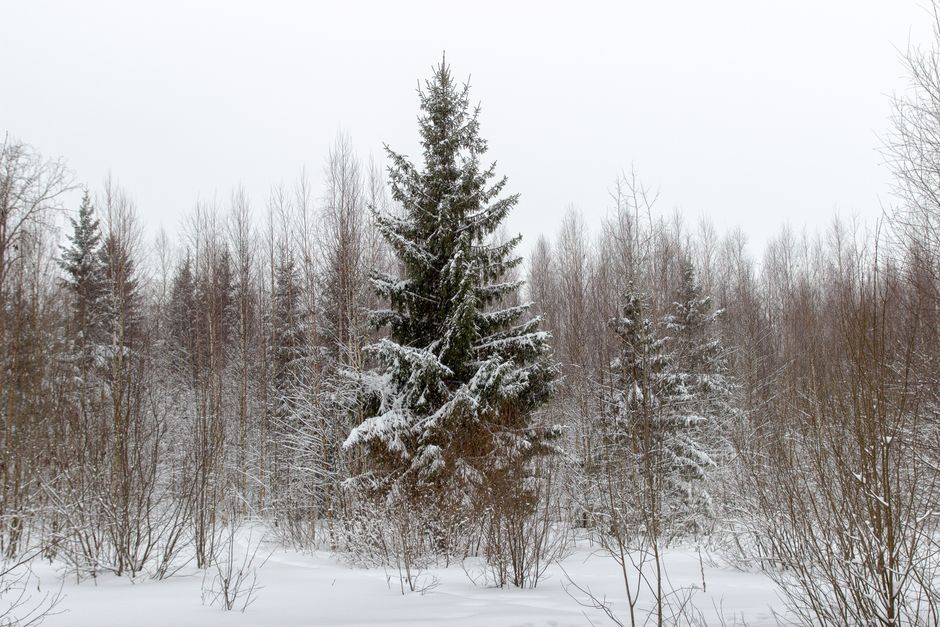
Extreme weather vacations don’t get more literal than this: I’m standing on Prospekt Lenina watching a woman scrape a thick crust of frost off the inside of a shop window with a plastic card, because the glass has iced over from the temperature difference between the heated interior and the street. That’s the detail. Not the cold itself, but the constant, grinding work it takes to hold it back.
Aeroflot dropped me here yesterday. The landing gear touched down onto a runway that has to be maintained differently than anywhere I’ve been. Yakutsk sits on continuous permafrost. The whole city is built on it. That single fact reshapes everything.
My plan was the Mammoth Museum, part of the North-Eastern Federal University. It was closed. No sign, no explanation, just a locked door and a caretaker waving me off. So I walked the residential backstreets instead. That’s where the real education happened.
Look at the buildings. Every apartment block stands on concrete stilts. They lift the structures a meter or more off the ground. This isn’t decoration. Warm foundations would melt the permafrost, and the melt turns solid earth into unstable mud. The buildings would sink and crack. So they float the heat above the frozen soil. Soviet engineers worked this out the hard way, decades ago, after earlier structures failed.
The pipes run above ground too. Thick, insulated utility lines snake between buildings on trestles because you cannot bury water pipes in ground that never thaws. You’d never get them out to repair them, and the frost would crush them.
Market hours bend to the cold. At the Krestyansky Market, vendors selling frozen fish don’t need refrigeration in the deep season. They stand the fish upright in the open air, stiff as boards. But they open late and close early. Nobody lingers. Transactions are fast. Money changes hands through gloves.
Car engines run all day in some lots. Drivers don’t switch off because a cold start can be impossible. You hear the low idle everywhere, a constant background hum against the crunch of boots on packed snow.
This is a city that industrialized around surviving. The Lena River freezes solid enough to drive across, becoming a winter road. Everything here answers to the climate first. Comfort comes second, if it comes at all.
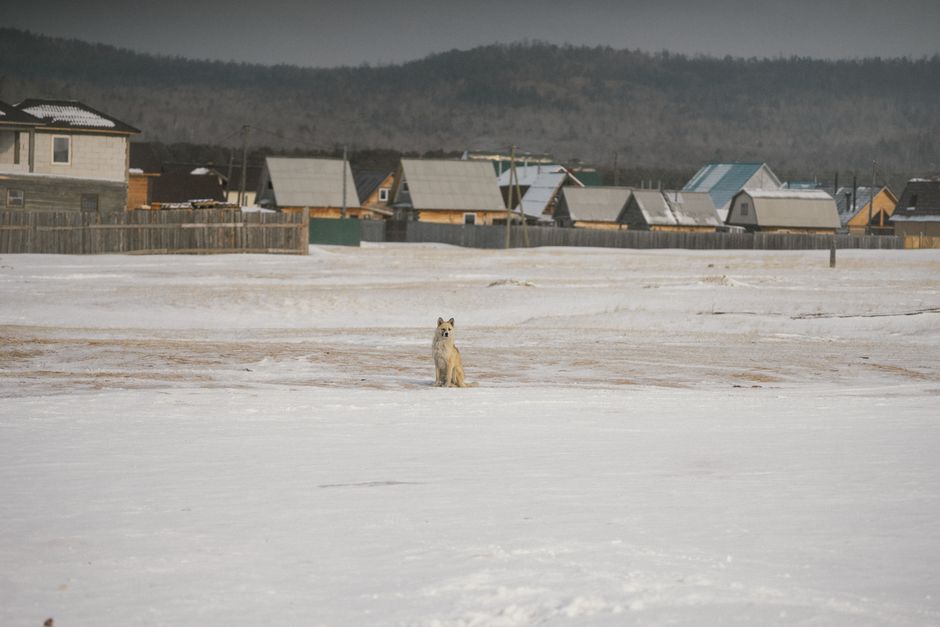
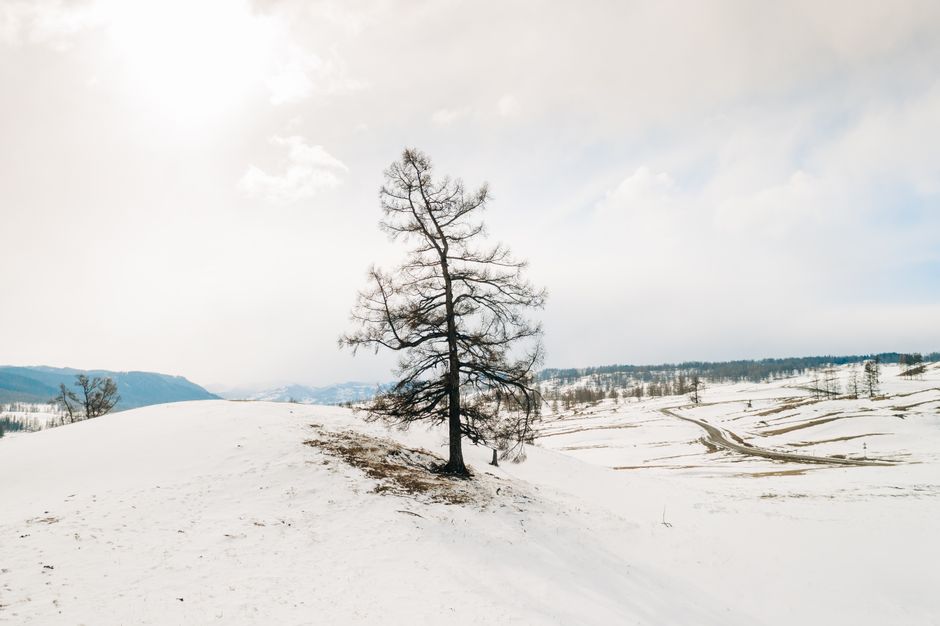
🎧 Listen to my travel diary:
Timing Your Extreme Weather Vacations Around Frozen Market Hours
The cold here rewrites the clock. Vendors don’t open at dawn. They open when the air softens enough to stand still. I arrived at 8 AM expecting bustle. Empty stalls. Steam curling off a thermos of tea somebody left on a crate. By 11 AM the stalls filled. Locals know this rhythm. They plan their entire day around a two-hour window when the meat won’t crack like glass and hands still work.
This is what extreme weather vacations actually teach you: survival is scheduling. The historic trade routes through this region always ran seasonal. Merchants moved goods along the Lena in short brutal bursts. That logic never left. Today the same instinct shapes when people shop, eat, and move.
Insider Tip 1: Bus number 8 runs a reliable loop through the central district, but service thins dramatically after 6 PM when drivers pull heaters offline. Catch it before dusk or you’re walking.
Adapting Buildings To The Coldest Inhabited Region
Walls here are thick beyond reason. Triple-glazed windows sealed with felt strips. Doors that open into small vestibule chambers, buffer zones that trap heat before you enter the real room. I noticed every café had this double-entry design. You step in, the outer door shuts, then the inner one opens. A pocket of survival architecture repeated across the city.
Heat runs constant. Central systems never fully shut down. The historical reason is simple. This settlement grew from a 17th-century fort, and every generation since learned that a cold structure kills faster than an empty stomach. Buildings breathe warmth continuously because stopping means catastrophe.
I visited the National Art Museum of the Sakha Republic partly to study how the interior held temperature. The galleries stayed dry and warm while the outer air pressed against the glass. The smell inside was old varnish and heated dust. Practical for extreme weather vacations because a museum here doubles as a survival shelter with paintings.
Insider Tip 2: Museum entry runs around 300 rubles. Budget an extra 100 for cloakroom coats you’re forced to check. They won’t let you carry bulk indoors.
Feeding Yourself When Food Freezes Solid
Local diet answers the climate directly. Horse meat, foal liver, and stroganina, thin shavings of raw frozen fish sliced at the table. The blade scrapes. Curls fall onto the plate and start softening in seconds. You eat fast before it turns. This isn’t novelty. It’s calories engineered for a body burning fuel just to stay alive.
I ate at Mahtal, a place serving traditional Sakha dishes. Rich broth. Dense fatty meat. The kind of food that sits in your gut like ballast. Compare that to the all-inclusive hotel buffets pushing generic pasta and lukewarm salad. Those places import comfort. They ignore that the whole point of extreme weather vacations is eating what actually sustains people in minus forty.
Here’s the honest comparison. Everyone talks about this city. Fewer talk about the smaller settlement of Oymyakon, colder still, technically the coldest permanently inhabited place on the planet. Oymyakon wins on bragging rights. This city wins on logistics. You get functioning restaurants, real accommodation, and food service that runs daily. Oymyakon offers a thermometer and little else. For value, the choice is obvious.
Choosing Where To Sleep And Why It Matters
I booked the Polar Star Hotel for three nights at roughly 6,500 rubles per night. Central. Reliable heat, which is the only metric that matters here. The staff were direct, not warm in the hospitality-brochure sense, but genuinely useful. The woman at reception drew me a walking map and marked which routes stay lit after dark. That practical help beats any scripted smile.
My plan was tight. A three-day cold-survival immersion. Day one, market timing and food. Day two, museums and heated interiors. Day three, short supervised outings between warm points. No wandering. You move point to point, warm zone to warm zone, and never linger outside longer than fifteen minutes without a plan.
Why choose this for your extreme weather vacations? Data. Average January temperatures sit near minus 40°C, sometimes dropping past minus 50°C. Yet the city functions. Schools open. Buses run. That combination of extreme cold and working civilization exists almost nowhere else. You experience genuine survival infrastructure without the isolation of true wilderness.
Insider Tip 3: Book accommodation with confirmed 24-hour heating in writing. Cheaper rentals sometimes cut heat overnight, and the price difference of 1,500 rubles is not worth the risk.
Extreme weather vacations here strip away everything decorative. What remains is a city built entirely around not dying, and that honesty is worth more than any postcard view.
Final Entry: What the Cold Actually Costs
The temperature dictates everything here. Not weather in the abstract sense. Actual, physical rules that reshape the hour.
Shops open late. They close early. Nobody lingers outside. The market vendors work in shifts I couldn’t crack at first, then understood: bodies can only stand exposure for so long before the work stops paying. Meat sells outdoors because the air itself acts as the freezer. That’s not charm. That’s adaptation, refined over generations of people who learned the Lena valley long before any of us arrived hunting extreme weather vacations.
Buildings breathe differently. Doors are doubled, sometimes tripled. You pass through a small holding chamber before the real interior. Windows get sealed with a second pane, then a third. Heat is the currency. Losing it is the real expense.
Which brings me to the hidden cost I learned today. Heating. I asked the woman renting me the flat what she pays through winter. The number stopped me. My cheap local rent felt cheap only because the true burden sits invisible in the walls, subsidized, absorbed, argued over. The all-inclusive hotel guests never see it. They pay a flat rate and never feel the machinery keeping them alive. Authentic living means the bill has a face.
Practical impact of the day: plan around the light and the cold windows, not the clock. Groceries early. Movement in short bursts. Warmth banked constantly.
People chasing extreme weather vacations expect drama. The reality is arithmetic and routine, hardened into culture.
Tomorrow I head to the Old Town district near Ploshchad Druzhby to study how the wooden merchant-era structures held against this climate before modern engineering. If the timber survived here for a century, it has something to teach.
💡 Traveler’s Pro Tip: After enough trial and error on the road, I’ve picked up a habit that saves me every time. Now, I always rely on Saily for connecting to cheap local data networks the second you land. It’s saved me more headaches than I can count.
💻 The Nomad’s Tech Stack
A question I get a lot: how does this blog stay online while I’m bouncing between time zones? The answer is Hostinger. It’s fast, dependable, and never lets me down even when I’m syncing huge photo batches from the middle of nowhere.
More from my travel diary:
Share This Diary Entry
Disclosure: A few links here are affiliate links, meaning I may get a small commission on a purchase, at no additional cost to you.
Important Note: This diary is for entertainment and informational purposes. Always research local laws, travel advisories, and verify transport schedules before embarking on any journey. Affiliate links may be present.