Disclosure: This post may contain affiliate links, meaning I get a commission if you decide to make a purchase through my links, at no cost to you.

Vilnius: The Single Mistake Most Travelers Make (And How to Avoid It)
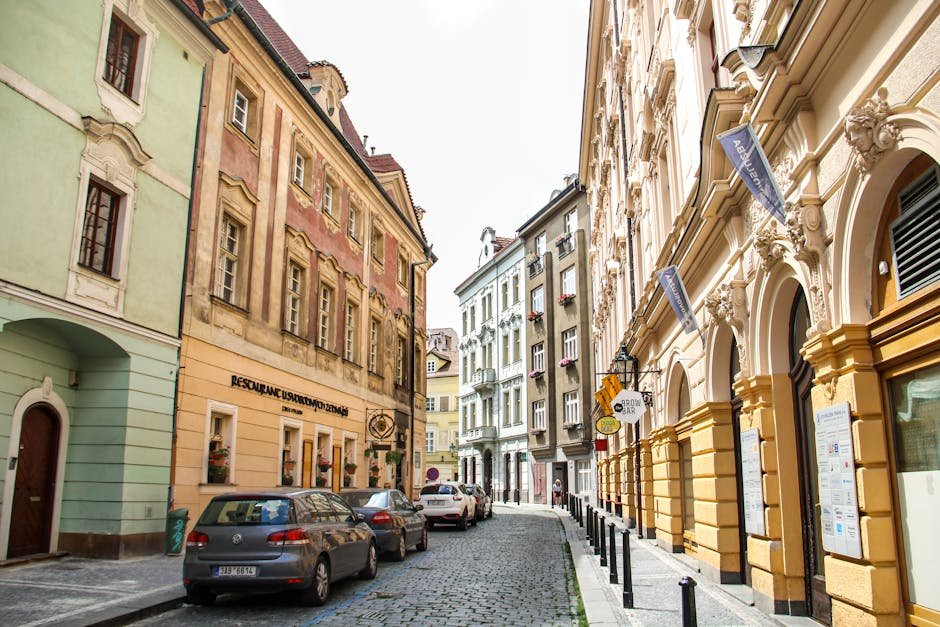
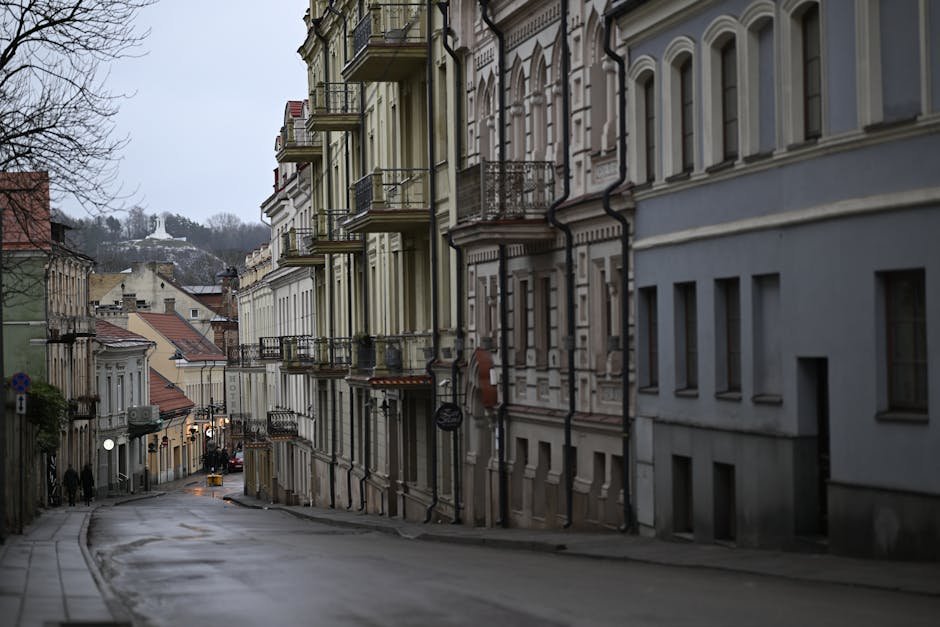
The biting March wind whips through Pilies gatvė, carrying the faint scent of roasting chestnuts and ancient cobblestones. I pull my worn Barbour jacket tighter, watching the kaleidoscope of hurried faces stream past. Rain-slicked stones reflect the pastel hues of baroque facades in Vilnius Old Town, a UNESCO World Heritage site that truly feels alive. Bells from St. Anne’s Church chime the hour, a resonant sound that vibrates through the very ground beneath my Timberland boots.
My fingers are numb, but my eyes devour the scene. Tourists, easily identifiable by their upwards gazes and DSLR cameras, cluster around the usual landmarks. They point at Gediminas Tower, snap a quick photo, then consult their phones, mapping their next point of interest. A couple argues softly about directions near the Presidential Palace. A family rushes past, their young daughter barely looking up from her screen. It’s a familiar tableau, one I’ve seen repeated in countless historic centers across Europe. They’re here, in Vilnius, yet somehow, they’re not *here* at all.
This city, with its quiet courtyards and sudden bursts of street art, its medieval alleys giving way to vibrant boulevards, holds so much more than what the guidebooks typically highlight. I’ve spent days now just wandering, letting my intuition be my compass, and it’s revealed layers I suspect many visitors never even brush against. The air carries an almost melancholic beauty, interwoven with resilience, a silent testament to centuries of shifting powers and enduring spirit. I’ve found myself drawn into conversations in tiny bakeries, observed artists at work in Užupis, and simply sat, absorbing the city’s unique rhythm.
I notice a pervasive pattern, a subtle but significant oversight that transforms a potentially profound experience into a mere checklist of sights. Travelers arrive, armed with itineraries gleaned from top-ten lists, convinced they need to hit every major attraction to ‘see’ Vilnius. They meticulously navigate the main arteries of the Old Town, moving from cathedral to gate, from museum to gallery, rarely deviating from the well-trodden path. They queue for a glimpse of the Gates of Dawn, then hurry off to grab a quick coffee, perhaps spending €4.50 on a cappuccino without truly registering the intricate frescoes above their heads.
Their pace is relentless. Their focus, often external. They capture the postcard image, yes, but do they feel the pulse? Do they notice the intricate ironwork on a random side street, or the unexpected burst of color from a hidden garden? The genuine character of Vilnius, I’ve come to understand, isn’t always found on the main tourist circuit. It often resides in the quiet alleys, the unassuming squares, the neighborhoods just beyond the initial gravitational pull of the Old Town’s core. It’s in the moments of unguided exploration, the serendipitous discoveries that happen when you allow yourself to get wonderfully, gloriously lost.
This isn’t about criticizing the desire to see the famous landmarks; they are famous for good reason. It’s about the narrowness of the approach, the unconscious decision to confine an entire city’s identity to its most visible, most easily consumed elements. By rigidly adhering to a pre-defined route, by staying solely within the gilded cage of the immediate Old Town, most travelers inadvertently make a singular, avoidable mistake. They pass through Vilnius, rather than allowing Vilnius to pass through them. They touch the surface, missing the profound depths that define this remarkable Baltic capital.
💡 Pro Tip: Over the years, I’ve learned the hard way. Now, I always recommend Airalo for avoiding insane roaming charges with a cheap local eSIM. It eliminates so much unnecessary stress.

The Initial Rush and Its Fatal Flaw
The biting March wind slapped me awake the moment I stepped from the heated comfort of the airport bus, the sheer scale of the city’s ambition immediately evident in the modern glass towers clawing at the overcast sky. My breath hitched, a vaporous cloud against the cool air, as I hauled my worn backpack further onto my shoulders. Most travelers, I’ve noticed, make one critical error upon arrival in Vilnius: they succumb to the magnetic pull of the Old Town, diving headfirst into its UNESCO-listed cobblestone arteries, believing this labyrinth alone encapsulates the city’s entire spirit. That initial, almost frantic, impulse to tick off every ancient church and baroque facade is a powerful one, yet it blinds them to the vast, vibrant universe thriving just beyond those historic walls. My mistake, years ago, was identical. I chased the obvious, felt the familiar thrill of stepping back in time, but inadvertently constructed a mental fence around my experience, cutting myself off from the city’s beating, contemporary heart. My feet grew sore from aimless wandering within the same few blocks, a dull ache that mirrored the creeping realization I was missing something fundamental. The air, thick with history, also held the faint, unheard hum of a thriving metropolis, a rhythm I utterly failed to perceive.
Unlocking Beyond the Cobblestones: A Modern Compass
That initial myopia quickly dissipates once you force yourself to zoom out, to literally expand your navigational perspective. I discovered the real trick isn’t just to walk, but to *aim* beyond the immediate gratification of the familiar. Instead of another loop around Cathedral Square, I pulled up a specialized offline map application, one designed for urban hikers, letting it guide me through the winding paths connecting districts. The first revelation hit hard as I found myself strolling along the Vilnia River, the Uzupis Republic beckoning with its quirky, self-declared sovereignty and bohemian allure, a stark, delightful contrast to the solemnity of the Old Town. Here, the scent of fresh paint and brewing coffee replaced the heavier, sweeter aroma of incense and ancient stone. The sheer audacity of the art installations, some integrated directly into the river itself, felt like a jolt of pure creative energy. My fingers traced the rough-hewn edges of the ‘Constitution of Uzupis’ plaques, a genuine smile spreading across my face, an honest reaction that simply didn’t surface during my earlier, more constrained exploration. This was Vilnius, yes, but a version utterly unlisted on conventional tourist brochures, pulsating with an entirely different kind of life.
The Unsung Culinary Canvas and Its Hidden Gems
My earlier Vilnius trips were plagued by a parade of perfectly adequate, yet ultimately unmemorable, Old Town meals: cepelinai, kepta duona, always good, never great. The single mistake here, as I painfully learned, was clinging to the obvious culinary path. This time, my hunger for authentic flavors led me not to the bustling main squares, but to the quieter, residential streets bordering the Paupys neighborhood, an area undergoing a remarkable transformation. I stumbled upon a small bistro with an unassuming frontage, its windows fogged from the warmth inside, the rich, earthy scent of slow-cooked meat and herbs spilling onto the street. Inside, the menu, handwritten on a chalk board, was a revelation. I savored a bowl of šaltibarščiai, the vivid pink cold beetroot soup, but this iteration tasted profoundly different – lighter, tangier, almost effervescent, a delicate balance of dill and kefir that exploded on my tongue. It wasn’t just sustenance; it was a narrative of local produce, careful preparation, and an chef’s unpretentious passion. The realization dawned: truly exceptional food often hides where locals eat, tucked away from the main tourist circuits, offering a genuine taste of Lithuanian ingenuity rather than a mere performance of tradition. Each bite was a silent conversation with the city’s true culinary soul.
Navigating the Cultural Labyrinth: An Unexpected Transit Strategy
The mistake of underestimating Vilnius’s sprawl extends directly to its public transport. Many visitors, myself included initially, assume the Old Town is walkable enough, or rely solely on ride-sharing apps, completely missing the city’s robust and surprisingly efficient public transit network. I learned the hard way that a well-planned bus or trolleybus route can unlock entire districts previously considered ‘too far’ or ‘too much effort’ by foot. During this last trip, I intentionally purchased a Vilnius Pass for 72 hours, not just for museum entry, but for its included transit. It became my passport to exploring the gritty, vibrant street art of Naujamiestis, or the tranquil, green expanse around Vingis Park without the constant mental calculation of taxi fares or the physical fatigue of endless walking. The rumble of the trolleybus became a comforting, rhythmic backdrop to observing daily life unfold outside the window. This isn’t just about saving a few euro; it’s about seamlessly integrating into the city’s pulse, moving with its residents, seeing its different faces through new eyes. Here’s a quick overview of how the transit options really break down for a full city experience:
| Transit Option | Best Use Case | Cost Factor | Experience Factor |
|---|---|---|---|
| Walking | Old Town, Uzupis, immediate central exploration. | € (Free) | Intimate, but physically limiting for wider exploration. |
| City Buses/Trolleybuses | Reaching outer districts (Naujamiestis, Antakalnis), Vingis Park. | €€ (Single ticket ~1.00 €, Vilnius Pass value) | Authentic local experience, efficient, wide coverage. |
| Ride-Sharing (e.g., Bolt) | Late-night travel, quick direct routes, heavy luggage. | €€€ (Higher on-demand) | Convenient, private, but isolates from local transit culture. |
| Electric Scooters (e.g., Citybee) | Short-to-medium distances, scenic routes, spontaneous exploration. | €€ (Per minute/unlock fee) | Fun, flexible, but weather-dependent and requires app setup. |
More Than Postcards: Engaging with Local Ingenuity
The biggest oversight, I now believe, is settling for mere observation when true engagement is possible. Postcards and photos are fine, but they’re static echoes compared to the resonant thrum of creation. I found myself drawn not to another souvenir shop, but to an independent gallery space in a converted factory building near the old station, its brick walls still faintly smelling of industry. There, a small collective of artists showcased their work, not just paintings, but intricate leathercraft and contemporary jewelry, each piece imbued with a modern Lithuanian aesthetic. My eyes traced the meticulous stitching on a minimalist wallet, feeling the supple leather beneath my fingertips. It was here, chatting with one of the creators, that I genuinely connected with the city’s contemporary spirit. He spoke passionately about the burgeoning design scene, the challenges, and the quiet triumphs. It wasn’t a formal tour or a guided experience; it was an authentic, human interaction, a glimpse into the actual lives and aspirations of Vilnius’s creative class. This was a city not just preserving its past, but actively shaping its future, one inspired stitch and brushstroke at a time. The unexpected conversation left me with a tangible sense of the city’s forward momentum, a feeling far more profound than any museum plaque could convey.
The Unhurried Departure: A Mindset Shift for Lasting Memories
The final, perhaps most crucial, mistake is rushing the ending, packing up and leaving with a checklist-mentality incomplete. The true remedy for the initial oversight of sticking solely to the Old Town lies in cultivating a mindset of unhurried curiosity, right up until the last possible moment. On my last morning, instead of a frantic sprint to the airport, I allowed myself the luxury of a slow, deliberate walk through Bernardine Garden, the crisp air invigorating my lungs. I watched local families strolling, children chasing pigeons, and elderly couples sharing quiet moments on park benches. This was the city’s breath, a gentle exhalation after its daily hustle. My mind wasn’t on departure gates; it was fully immersed in the soft rustle of leaves, the distant clang of a trolleybus, the everyday beauty unfolding before me. I wasn’t just observing a landmark; I was participating in the living, breathing rhythm of Vilnius. Leaving with a sense of calm, rather than frantic exhaustion, fundamentally alters the entire memory of the trip. It imbues the experience with depth, allowing the city to truly settle into your consciousness, transforming a brief visit into a lasting, integrated memory. It’s about taking the time to feel, not just to see.

Expert FAQs: Deepening Your Vilnius Experience
-
What’s the absolute best time for genuine Vilnius cultural immersion, not just sightseeing?
I find late autumn (October-November) or early spring (March-April) offer the deepest connection. The tourist crowds thin considerably then, allowing you to observe locals in their daily routines, making intimate conversations easier in quieter cafes. You often catch emerging artists at smaller venues like the *Contemporary Art Centre* during these off-peak periods, offering a truer reflection of the city’s vibrant scene.
-
Beyond basic ‘thank yous,’ how do I truly bridge the language gap with locals who might not speak English?
Focus intently on non-verbal cues. A genuine smile, attentive listening, and the willingness to mime or use translation apps like *Google Translate* bridge huge gaps effectively. Learning “Aš atsiprašau, ar kalbate angliškai?” (I’m sorry, do you speak English?) shows a real effort and is often met with appreciation, even if they don’t speak it well themselves.
-
Are there any specific public transport hacks for exploring beyond the main tourist routes efficiently?
Absolutely. Obtain a Vilnius Card; it simplifies fares across the entire bus and trolleybus network, saving you hassle. Crucially, utilize the “Trafi” app for real-time tracking; it’s far more accurate for timings and routes than relying solely on static timetables or Google Maps. I’ve found it invaluable for venturing into neighborhoods like Žirmūnai, revealing fascinating contrasts between Soviet-era architecture and modern urban planning.
-
How can I find truly authentic, local culinary experiences away from the Old Town’s tourist restaurants?
Venture into Naujamiestis or Užupis; these districts host many smaller, family-run establishments. Look for menus handwritten predominantly in Lithuanian, or places where the daily specials are announced verbally rather than printed for tourists. Ask hotel receptionists or even local shopkeepers for their personal, non-touristy favorites; they often guide you to the best Šaltibarščiai or Cepelinai that rarely see a guide book mention.
-
When I push beyond the usual tourist zones, what unique safety considerations should I keep in mind?
Always stick to well-lit main thoroughfares after dark, especially if you’re exploring solo. Trust your instincts; if a street feels off or too quiet, simply turn around. Keep your phone fully charged and consider getting a local SIM card (e.g., from *Telia*) for reliable navigation and emergencies. While Vilnius is generally safe, being prepared for less spoken English in outer areas means clear navigation and situational awareness are paramount.
-
What’s the most effective way to organically connect with Vilnius residents, beyond just transactional interactions?
Seek out local events advertised on community boards, university campuses, or Facebook groups specifically for expats and locals. Consider joining a casual walking tour focused on a niche interest like street art or brutalist architecture, often led by enthusiastic students. Repeatedly frequenting the same small café or bakery builds familiarity, often sparking genuine conversations over time. A simple, appreciative gesture, like offering to buy a round of coffee if someone helps you, goes a long way.
Conclusion: The Unvarnished Truth of Vilnius
I arrived in Vilnius with the usual travel blogger’s lens, seeking the picturesque, the Instagrammable. I was ready for the postcard beauty of its Old Town, for the architectural splendor that defines so many European capitals. But the raw, honest truth is, I almost made the single mistake most travelers make: I almost skimmed its surface, ready to move on after a quick checklist of sights. Vilnius, I quickly learned, demands more. It demands presence. It demands a willingness to discard the itinerary and simply *be*.
My journey here was less about grand discoveries and more about subtle revelations. It wasn’t always smooth; there were moments of confusion, fumbled attempts at Lithuanian phrases, and the occasional wrong turn down an unmarked alley. Yet, each of these small stumbles became a step deeper into the city’s true character. I recall the rich, earthy scent of fresh rye bread wafting from a nondescript bakery I discovered down a side street in Naujamiestis, a spot I’d never have found following a guide map. The quiet hum of conversation in a local bar in Užupis, where I was the only non-local, felt more authentic than any curated cultural show.
The mistake, I now understand, is treating Vilnius as merely a beautiful backdrop. It’s in failing to recognize the quiet resilience of its people, the understated pride in their history, and the vibrant undercurrents of creativity that ripple beyond the main squares. I spent an afternoon simply watching life unfold from a park bench overlooking the Vilnia River, equipped only with my journal and a pair of *AirPods Pro* for blocking ambient noise when I needed to think. It was during these unhurried moments that the city truly began to speak to me, not through grand pronouncements, but through the rhythm of everyday life.
This trip solidified my conviction that true travel isn’t about consumption; it’s about connection. It’s about letting a place challenge your assumptions, about embracing discomfort as part of the learning process. The initial gloss of a polished tourist destination faded, replaced by something far more profound: the gritty, beautiful reality of a city that has weathered centuries of change but retained its soul. My perspective shifted from merely observing to actively engaging, even if that engagement was just a shared smile with a street vendor or a silent moment of reflection in an unfamiliar courtyard.
Vilnius isn’t loud; it doesn’t boast. It whispers its stories to those who pause long enough to listen. I found myself drawn to its quieter corners, to the unexpected beauty in its Soviet-era mosaics hidden behind modern facades, to the earnest conversations with students in a bohemian cafe. It wasn’t the sum of its famous landmarks that captured my heart, but the countless small, unassuming details that painted a picture of a living, breathing city. This journey wasn’t about avoiding a mistake for the sake of it; it was about opening myself up to a richer, more honest experience that ultimately transformed how I’ll approach every future destination.
The lessons learned here, in the cold air of a Lithuanian spring, are invaluable. They taught me that the deepest connections are forged not in grand spectacles, but in the quiet moments of authentic interaction, in the courage to step off the well-worn path. Vilnius revealed itself as a city of layers, demanding patience and rewarding curiosity with a depth that superficial exploration can never touch. I left with no cliffhangers, no lingering doubts, just a profound appreciation for a city that taught me how to truly travel.
More from our Travel Tips archive:
Share This Article
Further Reading & Resources
To explore more in-depth information regarding Vilnius, we recommend these trusted resources:
Important Note: The information provided on this website is for educational and informational purposes only and does not constitute medical, health, fitness, financial, or legal advice. Always consult with a qualified professional or physician before starting any new exercise program or making significant decisions based on this content.