Disclosure: This post may contain affiliate links, meaning I get a commission if you decide to make a purchase through my links, at no cost to you.

🎧 Listen to my travel diary:
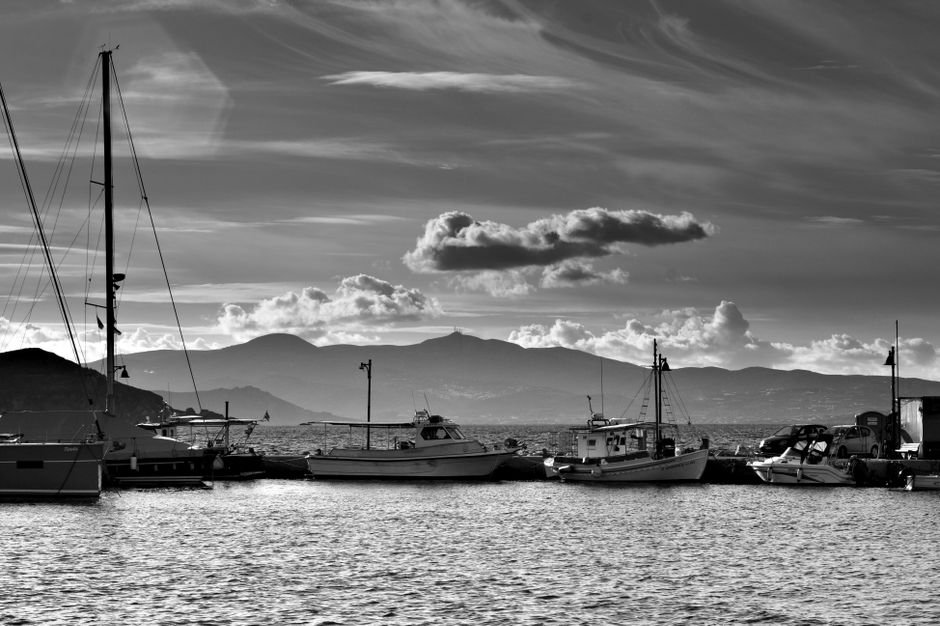
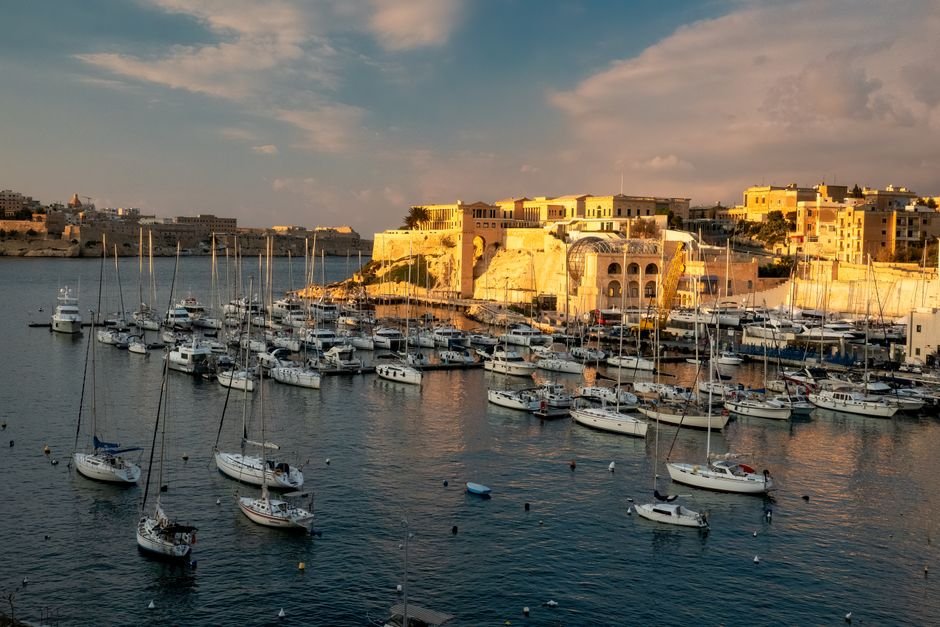
Experiencing budget sailing Mediterranean firsthand: Budget sailing the Mediterranean lands you in strange rhythms, and right now I’m watching a fisherman untangle a net the color of dried mustard on the stone edge of Grand Harbour. His hands move fast. The net snags on a rusted iron mooring ring bolted into the limestone quay. That ring is old. Probably older than the ships it once held.
I flew in on Ryanair. Cheap seat, tight legroom, worth it. From the plane you see the harbor before you see anything else. Valletta was built for this water. The whole city faces the port.
This morning I misread the ferry schedule. Thought I had a boat at nine. It was ten. So I stood around for an hour. That extra hour was the best thing that happened today.
You see the working city when you’re forced to wait. Trucks reversing toward the old warehouses along the wharf. Men in worn boots hauling crates. The smell of diesel mixed with salt and something fried nearby. Fish scales dried on the pavement, catching light. The clang of metal on metal from a repair crew.
Grand Harbour is a working port. Always has been. The Knights of St John dug in here in the sixteenth century because the natural inlet was deep and sheltered. The customs buildings along the waterfront handled cargo for centuries. The old Customs House down at Lascaris Wharf still stands, a heavy block of a building, functional, not pretty. It was built to process goods, tax them, move them on.
The fishermen here have guild traditions that go back generations. Families passing down boats, techniques, the painted luzzu with its eye on the prow. That eye is meant to ward off bad luck at sea. Practical superstition. I like that.
The harbor engineering is what holds my attention. Thick breakwaters. Deep bastions cut straight from the rock. The builders knew about the winds. When strong gusts come off the north, this harbor takes them. The stone walls break the force. Ships tuck in behind the fortifications and ride it out.
That’s the thing about Valletta. Nothing here is decorative by accident. Every wall had a job. Every quay was measured against weather and cargo and war. I’m sitting on centuries of practical decisions, watching a man mend a net.
💡 Traveler’s Pro Tip: Over the years of constant travel, I’ve learned the hard way. Now, I always rely on GetTransfer for bidding for the cheapest private transfers and rides. It eliminates so much unnecessary stress when you’re on the road.

Want to dig deeper? For more historical context and detailed information about Valletta, you can read more on Wikipedia.
Docking Cheap for Budget Sailing Mediterranean Nights
The mooring lines are secured. I’ve spent three weeks working my way along the Sicilian channel, and now the boat sits below the bastions. Budget sailing Mediterranean routes always end here for a reason. Berthing fees run cheaper than the tourist marinas farther east. My weather-sealed DSLR with the 24-70mm survived the crossing. Nothing else would have. The heavy body took a beating and kept shooting.
Why choose this over the flashier stops? Simple math. A protected mooring here costs a fraction of what you’d pay at a resort marina, and the old harbor walls do the actual work of keeping you safe.
Studying the Old Trade Houses Along the Water
The merchant buildings that line the waterfront were designed for cargo, not tourists. Thick walls. Small windows. Deep storage vaults cut into the rock behind them. These were built by traders who needed to keep goods dry and cool through long summers. Walk the waterfront district and you see the loading doors, wide enough for barrels, now mostly bricked or converted into cafés.
The stonemasons here understood weight distribution. Every arch carries load down into the bedrock. That’s why these structures still stand after centuries of storms. I photographed the low vaulted ceilings inside one restored trade house. Cool air pooled there even at midday.
Tracing the Fishing Guild Rules That Shaped the Harbor
The local fishing brotherhoods once controlled who launched, when, and where. Guild membership decided your spot along the water. These traditions still echo in the way small boats cluster in certain protected corners. Old-timers told me the guild set the daily launch times based on wind readings taken from the high walls.
The luzzu boats, painted in reds and yellows with the eye of Osiris on the bow, follow patterns handed down through families. The eye is meant to guard the crew at sea. Practical superstition. Budget sailing Mediterranean crews still respect these local rhythms because the fishermen know the water better than any chart app.
Insider Tip 1: Bus route 133 connects the main terminal to the waterfront directly. Fare is €2 in summer, €1.50 in the cooler months, valid for two hours. Cheaper than any taxi and it runs late.
Sheltering From the Mistral Behind Ancient Walls
The harbor was engineered to break the force of the Mistral. The high curtain walls angle the wind up and over the moored boats. When the gusts came through last night, I felt the boat pull hard against the lines, but the water inside stayed workable. That’s deliberate design. The builders positioned the defenses to double as windbreaks.
Ordinary Seamen and skippers on budget sailing Mediterranean crossings choose this shelter over open anchorages precisely because of this protection. An exposed bay would have you awake all night resetting the anchor. Here you sleep.
For land nights, I checked into the Grand Harbour Hotel once. Rate was €65 per night for a small room facing the water. The front desk staff arranged an early check-in without fuss and stored my gear bag when I went walking. Honest service, no upselling. Compare that to the all-inclusive resorts inland charging €180 half-board, where you eat buffet food and never touch the actual town.
Insider Tip 2: Water refills at the public standpipes near the marina office cost nothing if you bring your own containers. The office charges €10 for a shore-power hookup per night, which they don’t always advertise upfront.
Comparing the Value Against Marsaxlokk’s Quiet Trade
Popularity pulls crowds to the main harbor, but the working village down the coast at Marsaxlokk offers better value for a sailor watching cash. The Sunday fish market there sells the catch straight off the boats. Prices run 30% below the restaurants near the tourist front. You cook aboard for a third of the cost.
Still, I keep coming back to this harbor for budget sailing Mediterranean work because the infrastructure is denser. Chandlers, repair contacts, and provisioning shops sit within walking distance. Marsaxlokk is quieter and cheaper but you’ll spend on transport chasing parts.
Insider Tip 3: The Upper Barrakka Gardens lift charges €1 to ride up but is free going down. Walk up the stairs, ride down. Small saving, but it adds up over a long stay.
Why choose budget sailing Mediterranean routes that end here? Data backs it. Mooring costs, provisioning access, and storm shelter all rank higher for the price than the glossier ports. The working history isn’t decoration. It’s why the harbor still functions. I’ll be here another four days before the wind window opens south. The DSLR goes back in its dry case. The lines hold. That’s enough.
Final Entry: The Working Bones of Valletta
Wind picked up before dawn. I felt it push against the hull all night. Locals here have a word for it. The Mistral. It shaped everything in this city. The old channels were cut at angles. Not for beauty. For deflection. The walls break the gusts before they reach the smaller vessels tucked deep inside.
I walked the older docks today. The trade offices still stand. Thick shutters. Small windows. Built to keep records dry when spray came sideways. A man named Joseph told me his grandfather worked the scales here. Weighing grain. Counting sacks. The guilds ran strict rules. Who could unload. Who could not. That structure never really vanished. It just went quiet.
Budget sailing Mediterranean routes teach you fast. Nothing is truly free. I paid four euros for fresh water refill at the tap near the yacht point. Small. But it adds up over weeks. The real cost hit me later. A holding tank pump-out. Twenty-five euros. Nobody lists that online. You learn it standing there with your wallet open.
Ate at Nenu the Artisan Baker. Ftira. Two euros fifty. Warm. Sesame crust. Real food. Compare that to the half-board hotels charging forty for a plate of the same regional dish, plated fancy. Budget sailing Mediterranean life keeps you close to the actual thing. Not the imitation.
The Mistral will drop by morning. That gives me a window. Tomorrow I climb up to Republic Street. Then down into the lower gardens near Hastings. I want to see the city from above. Trace how the channels feed the sheltered basin below. The engineering makes sense from height. I need to understand it before I sail out again.
💻 The Nomad’s Tech Stack
Many of you ask how I manage to keep this diary online while constantly moving and documenting the world. I host my blog entirely on Hostinger. It’s incredibly reliable, fast, and ensures my content stays live even when I’m uploading massive photo files from remote locations.
More from my travel diary:
Share This Diary Entry
Important Note: This diary is for entertainment and informational purposes. Always research local laws, travel advisories, and verify transport schedules before embarking on any journey. Affiliate links may be present.