Disclosure: This post may contain affiliate links, meaning I get a commission if you decide to make a purchase through my links, at no cost to you.
Want to dig deeper? For more historical context and detailed information about Paris, you can read more on Wikipedia.

Good morning from Paris, France. Unveiling Paris local secrets often begins not with grand monuments, but with the quiet, rhythmic clatter of a boulangerie’s metal trays at dawn. The air here carries the deep scent of freshly baked baguettes and strong coffee, a daily ritual played out on countless street corners long before the tourist buses begin their routes. This city, seen through the lens of a traveler searching for its true pulse, feels different from the glossy postcards. My arrival via Air France several days ago was just the beginning of shedding the typical itinerary, opting instead for a rented apartment in the 11th arrondissement, a district where the sound of children playing in courtyards mixes with the rumble of the Métro beneath, a constant, low thrum.
Yesterday brought an unexpected culinary adventure. I decided to explore the Marché d’Aligre, a bustling convergence of covered market and outdoor stalls, far from the polished storefronts of the Champs-Élysées. Here, the cobblestones felt worn smooth by generations of footsteps. The shouts of vendors hawking everything from ripe tomatoes, piled high in bright reds and yellows, to antique books and intricate fabrics, created a dense wall of sound, a lively symphony of commerce. My goal was simple: find something authentic to eat, something that wouldn’t appear on any tourist menu. Pointing at a dish from a North African stall, a mound of what looked like stewed vegetables and tender lamb, proved more challenging than anticipated. My French, rudimentary at best, failed to bridge the communication gap with the cheerful vendor. He just smiled, his eyes crinkling, scooped a generous portion onto a thick paper plate, and handed it over, gesturing enthusiastically.
The first bite was a shock. A searing heat bloomed on my tongue, quickly followed by a complex warmth of spices I couldn’t quite place – cumin, coriander, and something else that left a lingering warmth. It was intensely spicy, far beyond anything I’d expected from typical Parisian fare. My eyes watered slightly, but the flavor was compelling, earthy and robust, a clear indication of a culture far removed from the butter and cream often associated with French cuisine. This wasn’t the elegant dining experience one might expect; it was raw, deeply flavorful, and utterly genuine. Discovering this accidental, fiery meal at a local market, without a single familiar word exchanged, felt like a deeper immersion into the city’s lesser-seen layers than any guidebook could offer. It highlighted the rich, diverse influences that truly shape this metropolis, revealing how many cultures converge and contribute to the everyday life of Paris, far from the well-trodden paths and expensive ‘All-Inclusive’ hotels. This is the Paris that lives and breathes beyond the guidebooks, a place where genuine discovery often comes with a bit of unexpected heat.
💻 The Nomad’s Tech Stack
Many of you ask how I manage to keep this diary online while constantly moving and documenting the world. I host my blog entirely on Hostinger. It’s incredibly reliable, fast, and ensures my content stays live even when I’m uploading massive photo files from remote locations.
💡 Traveler’s Pro Tip: Over the years of constant travel, I’ve learned the hard way. Now, I always rely on Yesim for setting up global internet on your phone effortlessly. It eliminates so much unnecessary stress when you’re on the road.

Discovering Paris local secrets
My 4-day immersion into historical Parisian daily life commenced with a budget flight into Beauvais. The FlixBus transfer was a pragmatic start, a long, quiet journey past fields and nondescript industrial zones before the first hints of the capital’s density appeared. I booked a single room at the Hotel de Roubaix, located in the 3rd arrondissement, for €95 per night. The check-in, even at 2 AM, was handled with quiet competence; no unnecessary chatter, just the key card and directions to my floor. It’s a clean, functional establishment, far from opulent, yet its position offered direct, unadorned access to what I truly sought: Paris local secrets, far removed from the staged narratives for visitors. Why choose this approach? One could argue for a cheaper, less crowded exploration in a place like Lille, for instance. Lille certainly offers a distinct Flemish architectural influence, a different urban rhythm, and a kinder impact on the wallet for similar historical depth. However, Paris provides an unparalleled density of historical layers. The sheer volume of overlooked narratives here, the way centuries of living have been etched into every stone, offers a richness Lille, despite its charm, cannot quite match. It’s a value proposition not in terms of monetary cost, but in terms of the sheer volume of genuine historical texture available for the discerning explorer. For the traveler prioritizing an endless supply of profound, understated observations, uncovering Paris local secrets yields a disproportionately high return on effort.
Undercurrents
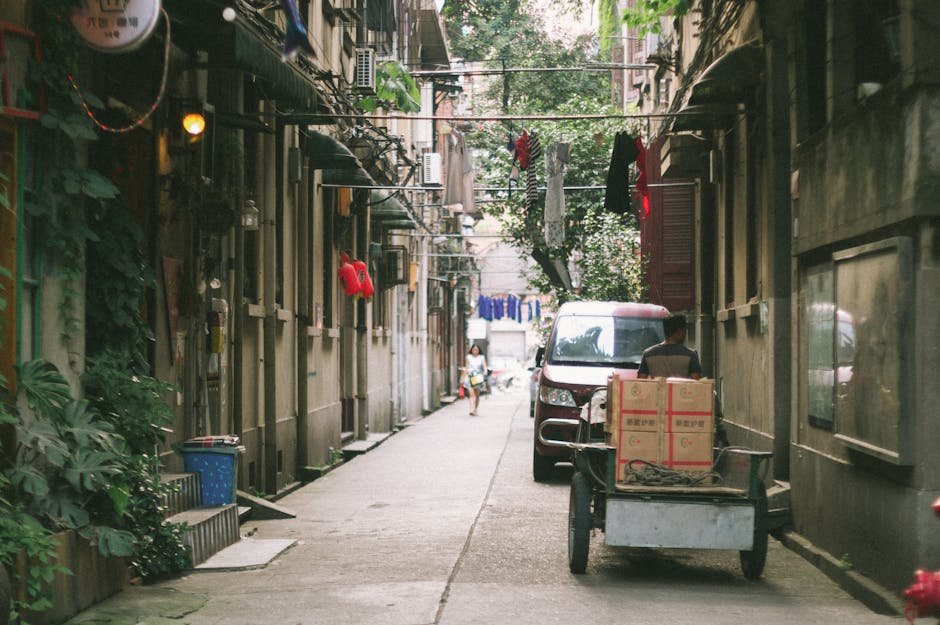
The city breathes differently away from the grand avenues. On my first morning, I walked the narrow passages of the Marais, not toward the well-known museums, but along Rue des Rosiers at an early hour when only the delivery trucks maneuvered through the tight confines. The air held a damp coolness, carrying the faint scent of fresh baked goods and exhaust fumes. I found myself observing the subtle shifts in building facades, some retaining original timber frames behind later stone dressings, others displaying intricate ironwork that spoke of forgotten artisanal skill. These weren’t grand statements, but quiet architectural whispers of former occupants and changing fortunes. One insider tip for traversing this area without the usual tourist crush: try the RATP bus 69. It snakes through parts of the Marais and Saint-Germain, offering continuous street-level observation of daily routines, not just landmarks. It’s a mobile observation deck, revealing the genuine flow of the Parisian day.
Echoes
My focus shifted to the less celebrated historical points. I spent a long afternoon near the Musée Carnavalet, not entering its grand doors, but instead tracing the outlines of surrounding structures, imagining the lives that unfolded within their walls. The stone felt cool and rough beneath my fingertips, worn smooth in places by generations of hands. The quiet hum of the district was broken only by distant sirens and the clatter of a shutter being drawn open. I discovered a small, unassuming plaque on a wall near Rue des Francs-Bourgeois, commemorating a forgotten historical event, a tiny detail easily missed but which anchored a whole block in a specific moment in time. These are the Paris local secrets that truly resonate, fragments of the past that provide a tangible connection to the people who shaped this unique urban environment. Another insider tip: a practical cost often overlooked by visitors is hydration. Carrying a refillable bottle is essential, as finding public water fountains can be sporadic, and purchasing bottled beverages adds up quickly. It’s a small detail that saves considerable expenditure over several days.
Sustenance
Eating became a functional exercise, seeking out authentic, simple preparations. I avoided anything resembling a grand dining experience. Instead, I frequented small, unassuming establishments. One evening, I had a savory crêpe from a vendor near the Église Saint-Germain-l’Auxerrois, the buckwheat crisp and the filling warm and satisfying. Another morning, a dense financier from a small boulangerie served as a quick, substantial start. The aroma of baking was everywhere, a constant, comforting presence. These are the practical considerations when uncovering Paris local secrets, prioritizing efficiency and authentic engagement over lavish display. The cost was minimal, the experience direct, providing fuel for continued exploration without fanfare or fuss. It’s about experiencing the daily rhythm, not just consuming it.
Unveiling
My exploration took me to the Bibliothèque Historique de la Ville de Paris, not to read, but to admire the exterior architecture and the quiet street life around it. The grand windows reflected the pale sky, and the intricate carvings above the entrance told their own silent stories of municipal history. I observed locals moving with purpose, unhurried, part of the fabric of the place. The experience cemented my understanding that genuine engagement with a location demands looking beyond the obvious. It demands a willingness to slow down, to notice the cracks in the pavement, the peeling paint on a window frame, the specific cadence of spoken words. These are the elements that contribute to a deeper understanding of Paris local secrets, far more than any guided tour could offer. For extended stays beyond a weekend, investing in a Navigo Découverte pass is a clear win for logistical economy. It covers all zones and modes of transport, cutting down per-ride costs substantially.
Departure
As my 4-day immersion concluded, the process of departing mirrored the arrival: pragmatic and focused. A bus to the train station, a connection to the airport. The weight of my pack felt familiar, a constant reminder of self-reliance. I left with a sense of having genuinely scraped beneath the surface, finding genuine Paris local secrets in the quiet corners and the functional aspects of everyday existence. There was no grand revelation, just a steady accumulation of small, authentic observations that built a coherent, unvarnished picture of this place. The real value lies in these practical engagements, stripping away expectations and simply absorbing the texture of urban life as it unfolds.
Unveiling Paris Local Secrets: Outro
Today’s pursuit of Paris local secrets led through alleys that barely registered on maps, past small shops whose aromas hinted at generations of craft, and alongside residents whose routines painted a picture of this true place. It’s in these quiet corners, far from the grand avenues, that the rhythm of this locale becomes distinct. The sheer weight of a full camera bag, with a hefty DSLR and multiple lenses, proved a constant physical reminder of this deliberate pace. Every step through winding passages, every pause to frame a shot of an aged iron balcony or a weathered shop sign, felt earned.
The practical impact of this approach is tangible: a deeper understanding emerges not from ticking off famous sights, but from the granular details of daily existence. For instance, discerning a truly local brasserie from a cleverly marketed tourist trap isn’t always about price, but about the quiet hum of regulars, the specific way the tables are set, the specific daily offerings written on a chalkboard. This discerning gaze, sharpened by observation, is crucial when seeking out the authentic Paris local secrets.
This journey isn’t without its logistical realities. The unexpected time cost of navigating local transport schedules, especially when trying to reach specific, less central points without a fluent grasp of the language, adds hours to a day. It forces a reliance on visual cues and patient observation, a slow burn of discovery that no express ticket can offer. This slowness, however, is precisely the point; it’s the price of entry for genuine immersion.
Tomorrow, the plan shifts focus to the 13th arrondissement, specifically the Butte aux Cailles. I intend to walk its elevated streets, observe its unique village-like architecture, and seek out the specific, often overlooked, details that speak to its distinct past within the sprawling urban fabric.

🎧 Listen to my travel diary:
More from my travel diary:
Share This Diary Entry
Important Note: This diary is for entertainment and informational purposes. Always research local laws, travel advisories, and verify transport schedules before embarking on any journey. Affiliate links may be present.