Disclosure: This post may contain affiliate links, meaning I get a commission if you decide to make a purchase through my links, at no cost to you.
💡 Traveler’s Pro Tip: Over the years of constant travel, I’ve learned the hard way. Now, I always rely on Airalo for getting an instant eSIM to avoid insane data roaming charges. It eliminates so much unnecessary stress when you’re on the road.

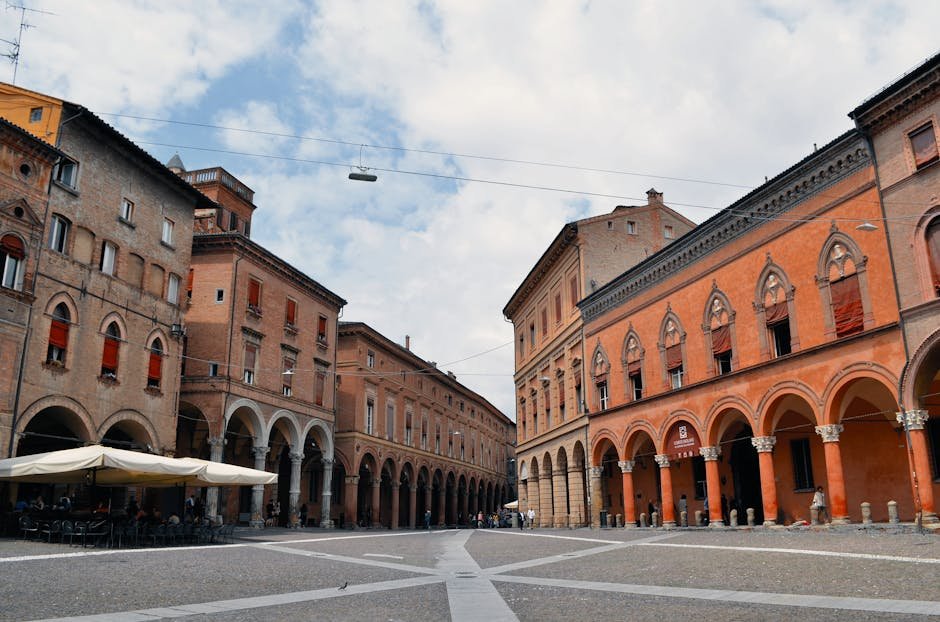
Good morning from Bologna, Italy. The persistent drumming of rain on the terracotta tiles above, even after the downpour has eased, leads me to consider the city’s hidden gardens. My arrival here via Ryanair was smooth, but today’s plans for extensive mapping were completely upended. A sudden, heavy tropical downpour, the kind that turns narrow streets into rushing streams in minutes, forced a two-hour detour. I ended up sheltering in a tiny, unnamed bookstore near Via Santo Stefano, its air thick with the scent of old paper and dust, waiting for the sky to clear.
This unexpected pause, however, turned my thoughts to how these Bolognese courtyards, often unseen from the street, manage such deluges. The very design of these hidden spaces, constrained by medieval stone walls and narrow passages, is intrinsically linked to water management. Many feature central drains or slightly sloped paving, guiding rainwater to specific points, often feeding directly into the root systems of the larger, established plants. Observe the citrus trees, primarily *Citrus limon* and *Citrus sinensis*, frequently found in terracotta pots. Their placement is strategic, not merely aesthetic. During cooler months, these pots can be moved under porticoes or into sheltered corners, protecting the delicate roots from the more biting winter winds that funnel through the city’s alleys. Come spring, they are shifted to maximize direct sunlight, essential for fruit production in these often-shaded enclosures. The heavy, dark earth in these pots, mixed with sand, ensures good drainage, preventing root rot from the consistent Italian rains.
Further in, climbing plants like *Jasminum officinale* or *Wisteria sinensis* are trained along wrought-iron trellises, providing natural canopies. Their dense foliage offers crucial shade during the intense summer heat, significantly lowering the ambient temperature within the courtyard. This natural shading also reduces water evaporation from the ground beneath, allowing the earth to retain moisture longer for the understory plants. The older gardens here often show evidence of historical planting, where a single large fig tree (*Ficus carica*) or a bay laurel (*Laurus nobilis*) was positioned to offer year-round greenery and practical resources, their expansive root systems drawing moisture from deep within the confined soil. The careful positioning of these larger specimens dictates light distribution for smaller, more delicate herbs like rosemary (*Salvia rosmarinus*) and sage (*Salvia officinalis*) that thrive in partial shade closer to the walls. The very air in these courtyards, even after the rain, carries the damp earth and the green, peppery scent of crushed bay leaves.
The historical approach to these spaces reflects a deep understanding of urban microclimates. Many older palazzi in Bologna incorporated cisterns beneath their courtyards, collecting this very rainwater for irrigation during drier periods. This closed-loop system was not just efficient; it was a necessity in a city built without expansive green spaces. Even the choice of materials, from the rough-hewn stone walls to the clay pots, plays a role. The porous stone absorbs some moisture, releasing it slowly, creating a slightly more humid environment beneficial for certain plants. The challenge of light, however, is constant. With tall surrounding buildings, direct sunlight can be fleeting. Plants chosen for these spaces are often shade-tolerant or those that can thrive on a few hours of intense sun, maximizing their growth cycle within the limited exposure. The subtle variations in paving stones and the slight depressions in the ground are not accidental; they are part of a centuries-old, unwritten manual for managing nature in a dense urban setting.
💻 The Nomad’s Tech Stack
Many of you ask how I manage to keep this diary online while constantly moving and documenting the world. I host my blog entirely on Hostinger. It’s incredibly reliable, fast, and ensures my content stays live even when I’m uploading massive photo files from remote locations.
🎧 Listen to my travel diary:
Discovering Bologna’s Hidden Gardens
Bologna’s charm isn’t always immediately apparent on its main thoroughfares. To truly grasp the city’s unique character, one must delve into its interior spaces, particularly the private courtyards that serve as the city’s true hidden gardens. These aren’t grand, sprawling estates but rather intimate, meticulously maintained pockets of green, often tucked behind unassuming doorways. The design here isn’t about wild growth; it’s a careful orchestration of contained nature, reflecting centuries of urban living. My current setup, the Sony Alpha a7R V with the Sony FE 90mm f/2.8 Macro G OSS lens, is perfect for documenting the intricate leaf patterns and the subtle textures of the aged stone planters. This isn’t a city for broad landscape shots; it’s a place for details.
Observe Plant Adaptations
Walk through any of these courtyards, and you notice a consistent theme in plant selection. Species are chosen for their resilience to enclosed, often shaded environments, yet also for their ability to thrive in pots and limited soil. Look closely at the climbing fig, its roots working their way into the smallest mortar cracks. You’ll see the careful pruning on mature olive trees, shaped to allow light to penetrate deeper into the courtyard space, an essential consideration given the high walls. The gardeners here are masters of light management. Every cut, every placement, serves a purpose: maximizing photosynthesis in a constrained setting. The specific soil compositions in the larger planters are engineered for slow nutrient release and efficient water retention, crucial for plants that might only receive direct sunlight for a few hours a day.
Understand Water Flow
The city’s historical approach to water is starkly evident in these interior spaces. Courtyard paving often slopes almost imperceptibly towards a central drain or a collection point, designed to channel every drop of rainwater. This isn’t just about preventing puddles; it’s an ancient, practical system for managing a precious resource. The base of many large planters will have a layer of coarse gravel or broken pottery shards, not just for drainage, but to prevent the heavier, nutrient-rich soil from compacting and becoming waterlogged, which is a common issue in confined, damp environments. You’ll observe how some plants, like the robust ivy varieties, are positioned near downspouts, strategically utilizing natural water runoff from the rooftops. This deliberate placement ensures consistent moisture where needed, reducing manual watering efforts.
Appreciate Historical Planting Methods
The planting methods in these hidden gardens are a direct link to the past. Many of the larger specimens, especially the citrus trees, are planted in substantial wooden containers or deep ceramic pots, often elevated slightly on stone blocks. This practice dates back centuries, allowing for easier relocation indoors during colder months and preventing root systems from damaging underlying structures. The use of espalier techniques on fruit trees against sunny walls is another historical adaptation, maximizing fruit exposure to limited sunlight and conserving space. It’s a pragmatic, rather than purely aesthetic, choice. For those considering a deeper dive into Bologna’s cultural layers, a 3-day cultural immersion package is a solid choice. It typically includes guided walks through the city’s historic center, focusing on architectural nuances and providing access to some private courtyards, offering a richer understanding than just wandering aimlessly. Insider Tip #1: Many of the smaller, privately owned courtyards only open to the public during specific annual events like “Cortili Aperti,” usually in late May or early June. Check local listings for exact dates to ensure access to these truly hidden gardens.
Identify Local Accommodation Value
When considering where to stay, my choice for this trip was the Hotel Arcoveggio. At approximately €95 per night, it offered a clean, no-frills room with reliable Wi-Fi. The customer service was efficient and direct; no unnecessary fuss, just practical assistance when needed, like confirming local bus routes to the botanical garden. This contrasts sharply with the often overpriced, impersonal “All-Inclusive” resorts found elsewhere in Italy, where you pay a premium for amenities you might not even use. Why choose this? Because for a traveler focused on local immersion and value, the Arcoveggio provides a functional base without inflating costs, allowing more budget for authentic experiences and local food. Insider Tip #2: If you’re planning to use public transport extensively to reach various points of interest, including the city’s outer green spaces, purchase a multi-day bus pass from a TPER ticket office or a tabaccheria immediately upon arrival. A single ticket costs €1.50, but a 10-ride pass is €14, offering a tangible saving for frequent use.
Compare Nearby Destinations
While Bologna offers these unique hidden gardens and a robust culinary scene, a compelling, lesser-known rival destination nearby for similar architectural and garden exploration is Ferrara. Ferrara, easily reachable by regional train, often gets overlooked for its more popular neighbor. Its historic center, particularly around the Castello Estense and Palazzo dei Diamanti, features its own distinct courtyards and gardens, often with a more uniform Renaissance aesthetic. For a traveler prioritizing value over popularity, Ferrara presents a compelling argument. Accommodation prices can be 15-25% lower on average, and you’ll find fewer crowds, making for a more relaxed exploration of its well-preserved historical sites and their accompanying green spaces. While Bologna excels in its urban density and the unexpected nature of its courtyards, Ferrara offers a more open, planned approach to its historical gardens, a different, but equally valid, perspective on Italian urban green spaces. Insider Tip #3: For an authentic, budget-friendly meal, skip the tourist-heavy areas. Head towards Via del Pratello. You’ll find many small trattorias offering a ‘menu fisso’ (set menu) at lunchtime for around €12-€15, providing a substantial, fresh meal that’s far better value than anything near the main piazzas.
The Ficus pumila clings to the rough-hewn stone walls, its aerial roots finding purchase in the ancient mortar. Its dense mat of leaves, small and dark, creates a microclimate, cooler than the sun-baked paving. Water, when it falls, is channeled by the slight depressions in the stone, designed centuries ago to collect and direct it towards the central drain. This system isn’t just about runoff; it’s about sustaining the contained ecosystem. The Ligustrum japonicum, often trimmed into tight spheres, thrives in these hidden gardens, its glossy leaves reflecting the limited sunlight. They stand in sturdy, deep ceramic pots, preventing root expansion that could compromise the surrounding structures. The soil, a heavy, dark earth mixed with coarse gravel, provides both anchorage and efficient drainage, critical for the health of these urban plants. The placement of each container, from the delicate Myrtus communis to the more robust Olea europaea, is deliberate, maximizing exposure for photosynthesis while providing essential shade in the harsh summer. The cost of such meticulous care, I’ve realized, isn’t just in the plants themselves, but in the specialized labor required to maintain these delicate balances within such confined spaces. Tomorrow, my focus shifts to the Santo Stefano district, specifically searching for more of these hidden gardens, observing how their design influences the survival of the species within. I plan to document the subtle variations in water collection and light management techniques employed in that specific area.
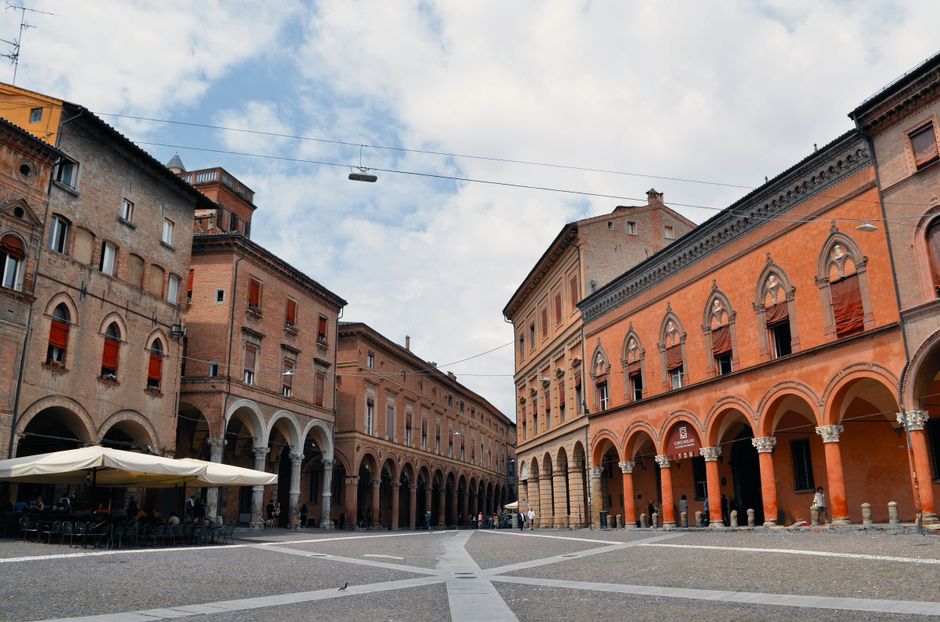
Want to dig deeper? For more historical context and detailed information about Bologna, you can read more on Wikipedia.
More from my travel diary:
Share This Diary Entry
Important Note: This diary is for entertainment and informational purposes. Always research local laws, travel advisories, and verify transport schedules before embarking on any journey. Affiliate links may be present.