Disclosure: This post may contain affiliate links, meaning I get a commission if you decide to make a purchase through my links, at no cost to you.
Want to dig deeper? For more historical context and detailed information about Salt Lake City, you can read more on Wikipedia.
💻 The Nomad’s Tech Stack
Many of you ask how I manage to keep this diary online while constantly moving and documenting the world. I host my blog entirely on Hostinger. It’s incredibly reliable, fast, and ensures my content stays live even when I’m uploading massive photo files from remote locations.
Good morning from Salt Lake City, USA. The sun, already high, bakes the concrete outside my rented apartment, hinting at the heat to come, a stark reminder that this region demands respect for its scale and climate, especially when planning budget road trips. My journey here, after a long haul flight with KLM, dropped me into a city that immediately feels different, its grid laid flat against the immense backdrop of the Wasatch Range. Today’s planned transit to a gear shop was unexpectedly complicated. The main TRAX light rail line, I discovered, was undergoing maintenance, rerouting everything into a patchwork of shuttle buses and local routes. This meant a confusing but ultimately rewarding detour through residential suburbs, each street revealing glimpses of the mountains that define this valley, and the occasional dry creek bed snaking towards the city.
From the bus window, the sheer uplift of the Wasatch Front dominates the eastern horizon, an unyielding wall of rock. The mountains rise abruptly, a colossal fault block pushed skyward over millions of years along the Wasatch Fault. You can see the distinct layers of rock, like pages in an ancient, petrified book, exposed by eons of erosion. These aren’t just hills; they are the raw, exposed bones of the continent, carved by glaciers that once descended from their peaks and the relentless power of water from ancient Lake Bonneville, which once covered this entire valley. The high-desert air carries a dry, mineral scent, distinct from the humidity of other places, a smell of sun-baked earth and distant juniper. The visual scale makes you feel small, almost insignificant, a speck against such immense, slow-moving geological power.
The Ute, Shoshone, Goshute, and Paiute peoples lived among these very formations for millennia, understanding the rhythms of this formidable landscape long before any paved roads existed. Their history is etched into the very canyons, in the ancient pathways and seasonal camps that would have followed water sources and game through these rugged passes. They read the strata for shelter, for specific mineral resources, for the stories of time and change embedded in the stone itself. This isn’t a landscape to merely observe; it’s a living archive of geological upheaval and profound human endurance. The quiet rumble of the bus, navigating tree-lined streets lined with sprinklers battling the dry conditions, felt insignificant against the silent, persistent forces that shaped these colossal walls. This unplanned suburban transit offered a different perspective, pulling back the curtain on the ordinary lives lived in the shadow of such grandeur, a grounding before heading into the wild. The weight of my DSLR and drone gear feels substantial on my shoulders, a necessary burden for capturing the raw truth of these geological wonders, for documenting the profound, silent narratives written in stone, all while keeping a close eye on the practicalities of a budget.

🎧 Listen to my travel diary:

Canyons and budget road trips
Navigating the Wasatch Front for a geology-focused exploration offers a distinct advantage over more celebrated, congested canyonlands further south. While places like Zion or Bryce Canyon draw global crowds and premium prices, Salt Lake City presents a more grounded, accessible entry point for genuine budget road trips into monumental geological history. Consider the practicalities: accommodations here, like the Crystal Inn Hotel & Suites Salt Lake City, can be found for around $140 a night, offering clean, efficient service, a stark contrast to the inflated rates and often impersonal feel of resort towns where an ‘All-Inclusive’ package might cost triple for less freedom. My plan was a 3-day deep dive into the local canyon systems, primarily focusing on Big and Little Cottonwood Canyons, using an economy rental car. This itinerary allowed for maximum flexibility, crucial for truly understanding the ancient forces at play and making these budget road trips genuinely impactful without breaking the bank.
Strata
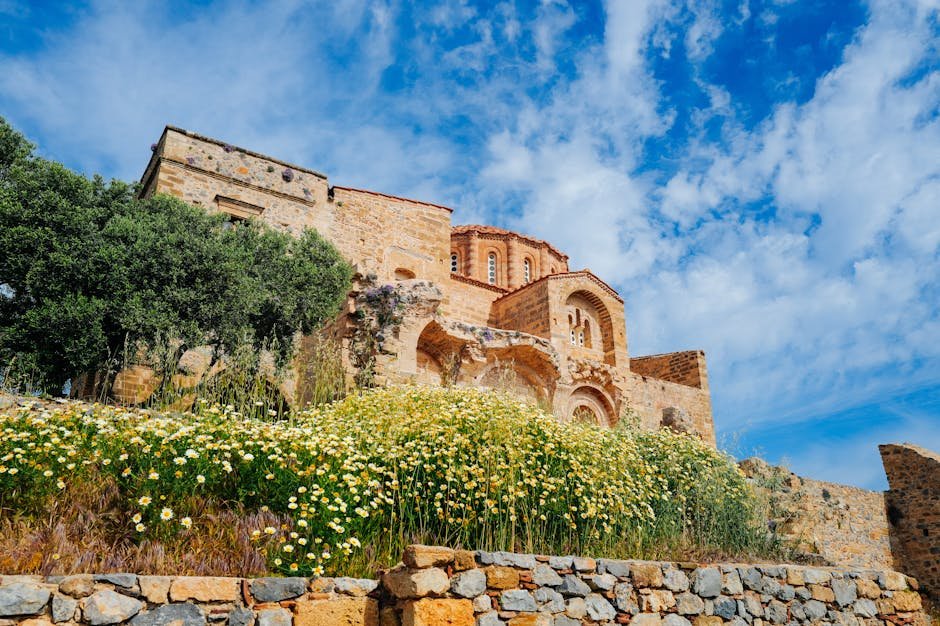
The visual narrative of uplift and erosion here is laid bare. Driving up Big Cottonwood Canyon, the sheer rock faces display their history in visible layers – the strata. These aren’t just pretty patterns; they are millions of years of deposition, compaction, and faulting. You see the deep grey of the Precambrian Big Cottonwood Formation, some of the oldest exposed rock in Utah, a testament to an ancient seabed. Above it, the younger, lighter limestones and quartzites from the Cambrian period, revealing a shifting marine environment. These formations, particularly evident near the mouth of the canyon, speak of colossal forces, the relentless pressure that folded and faulted the crust. The very air feels different here, carrying the scent of pine and damp earth, a raw, elemental aroma that connects you directly to the geology. The indigenous peoples, particularly the Ute, Shoshone, and Goshute, understood these lands intimately. Their oral traditions often speak of the mountains as living entities, sources of life and spiritual power, implicitly acknowledging the deep time embedded in these stone giants.
Echoes
The ancient presence of indigenous cultures throughout these canyons is not just historical footnote; it’s etched into the landscape itself. While visible petroglyphs or pictographs are rare in the immediate Wasatch canyons compared to desert regions, the land itself served as a vital resource and spiritual anchor. The Ute, for instance, traversed these very slopes, understanding the seasonal movements of game, the location of water sources, and the properties of specific rock types for tools. Their knowledge of these geological formations was practical and profound, guiding their routes for trade and survival. The sheer scale of the canyons, carved by glacial activity and the relentless flow of water over eons, would have been a constant, awe-inspiring presence. For anyone undertaking budget road trips through this area, recognizing this deep human connection to the geology adds another layer to the experience, transforming a scenic drive into a journey through time and culture. The Utah Geological Survey provides excellent resources for understanding the specific formations and their significance.
Faultlines
The Wasatch Fault Zone is not merely a geological concept; it’s a visible, tangible force defining the eastern edge of Salt Lake Valley. As you ascend the canyons, the dramatic uplift created by this active normal fault becomes starkly apparent. The west-facing slopes of the Wasatch Range are steep, almost abrupt, a direct consequence of the repeated slippages and seismic activity over millions of years. You can observe the scarps, subtle but discernible steps in the landscape, indicating past movements. The geology here isn’t static; it’s alive, constantly reforming, though on a timescale beyond human comprehension. This constant tectonic dance has shaped the entire basin and range province, creating the very mountains that frame the city. Understanding these faultlines is crucial for anyone interested in the dynamics of the Earth and makes for particularly insightful budget road trips. Why choose this area for geological exploration? The accessibility is unparalleled. Within a 30-minute drive from downtown, you are deep within canyons exhibiting world-class geological features, offering a high return on investment for both time and money.
Ascent
Accessing the core geological features for effective budget road trips requires some planning, but the rewards are substantial. While a car is ideal, UTA buses provide limited service to the mouths of Big and Little Cottonwood Canyons, an insider tip for those without private transport or seeking to reduce rental costs. Insider Tip One: For those driving, be aware that some trailheads, particularly those deeper into the canyons like the Albion Basin, require a small fee for parking, often around $10, which can add up if not factored into your budget. Insider Tip Two: The shoulder seasons – late spring (May/early June) and early fall (September/early October) – offer the clearest views of geological formations, as snowmelt has receded but heavy snow hasn’t arrived, and crowds are thinner, making for more solitary observation. Insider Tip Three: Pack robust snacks and plenty of water. There are few services once you begin ascending the canyons, and relying on them will significantly inflate the cost of your budget road trips. The raw beauty of the exposed rock, the sheer scale of the landscape, and the profound sense of geological time make these local canyon budget road trips an essential experience for any true explorer.
Outro: Salt Lake City, USA
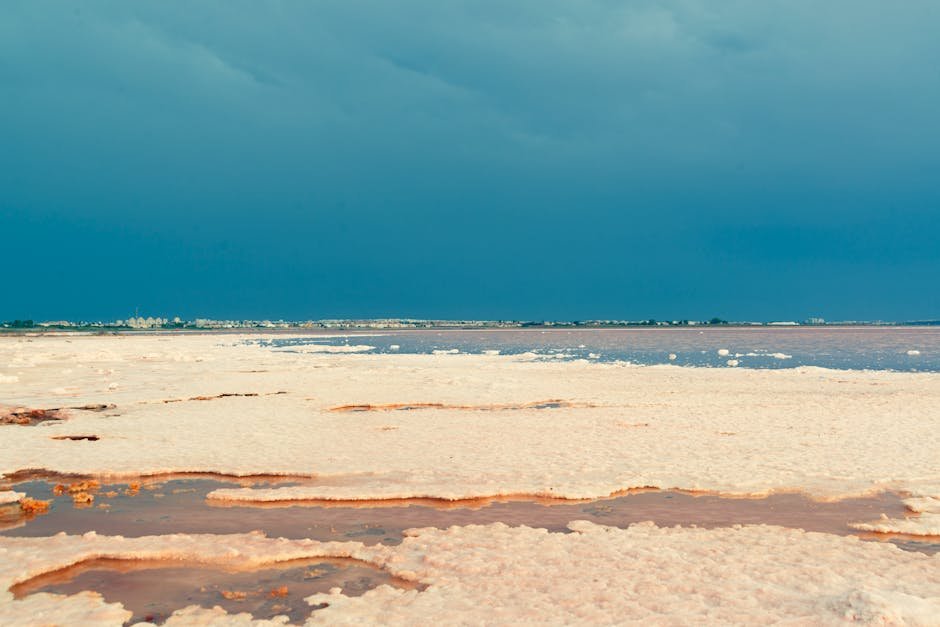
The sheer scale of these land formations is a stark reminder of deep time. You stand before immense walls of ancient earth, each distinct band a story pressed into stone, visible records of epochs stretching back beyond comprehension. Unimaginable pressures warped and pushed the ground upwards, then the relentless work of water and ice began, carving and shaping what we see today. These forces, slow yet irresistible, sculpted deep gashes into the terrain over uncounted ages, leaving behind a humbling display of a planet in constant, raw motion.
Evidence of the first people who walked this land is subtle but profoundly felt. Their ancient presence resonates in the quiet spaces, a deep connection to the ground beneath their feet. They witnessed these same majestic formations, understood their intricate cycles, and lived in harmony with this monumental landscape. This place was central to their very existence, a source of sustenance and profound meaning, long before any modern understanding of its complex geological makeup took hold.
Today, the practical reality of navigating these vast expanses for budget road trips hit home. Fuel consumption, even with careful planning, adds up faster than anticipated across such distances. The sheer mileage between points of interest, though offering incredible views, demands constant attention to the gas gauge. This is a crucial, often overlooked, logistical reality when planning what you think are cheap budget road trips through dramatic, sprawling terrain. It’s not just about the cost of entry, but the cumulative cost of getting there and back, compounded by unyielding mileage.
Tomorrow, I’ll shift focus. To gain a deeper understanding of both the land’s formation and its ancestral inhabitants, I’m heading to the Natural History Museum of Utah, located within the city. It promises vital context for the grand, raw canvases I’ve just witnessed, offering a different lens to appreciate the region’s profound natural and human story.
💡 Traveler’s Pro Tip: Over the years of constant travel, I’ve learned the hard way. Now, I always rely on GetRentacar for getting personal car rental offers directly from local owners. It eliminates so much unnecessary stress when you’re on the road.

Share This Diary Entry
Important Note: This diary is for entertainment and informational purposes. Always research local laws, travel advisories, and verify transport schedules before embarking on any journey. Affiliate links may be present.