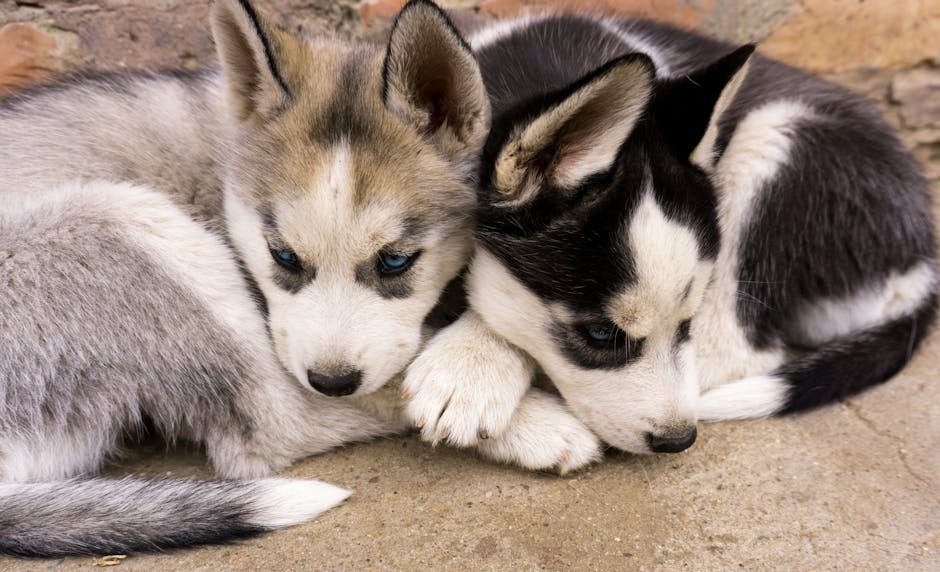

The 3 Critical Signs Your Husky (or Any Dog) Is Silently Hurting
The first rays of sunlight hit my worn leather armchair. My senior Golden Retriever, Gus, snuffles softly at my feet, his gentle snores a comforting rhythm. I breathe in fresh coffee, mingled with the distinct aroma of old dog, defining these quiet beginnings.
Gus shifts, a low groan escaping as he repositions his bulk. It’s a sound I’ve often dismissed as “getting old.” Lately, that subtle groan pricks deeper, a quiet alarm. The heavy truth: they can’t tell us when they hurt.
Their incredible stoicism is both a blessing and a curse. Dogs—from a boisterous young husky to Gus—are masters of disguise regarding pain. This isn’t malice, but an ancient, hardwired instinct for survival. Weakness in the wild meant vulnerability, sculpting creatures who hide ailments with heartbreaking efficiency. That primal urge still echoes in our domesticated companions, making it incredibly difficult for us, their guardians, to discern true distress from everyday quirks.
I’ve spent countless hours observing Gus, deciphering subtle shifts: his gait, hesitation before jumping, a paw held a fraction longer after a stretch. My heart aches at the thought of prolonged, silent discomfort he might endure due to my lack of observation. This profound responsibility—to protect them when they cannot protect themselves from hidden pain—is ours.
Many of us are blind to these nuanced signals. We might attribute decreased appetite to pickiness, lethargy to a lazy afternoon, or reluctance to play to simple boredom. Yet, beneath these surface interpretations, a deeper issue could be festering, eroding our dog’s quality of life. The problem isn’t their inability to vocalize; it’s our own lack of trained perception, our human tendency to project interpretations onto their actions.
Consider a husky, known for boundless energy and endurance. Their powerful musculature and high pain threshold make identifying injury or chronic discomfort challenging. A slight limp might be chalked up to a tough run at the dog park, or reduced enthusiasm for their morning sprint dismissed as a temporary mood. But what if it’s more? What if it’s the quiet onset of hip dysplasia, or an insidious joint inflammation making every movement agony? The thought is chilling.
This isn’t merely about noticing a visible limp or a yelp; those are often last resorts of a body pushed beyond limits. True pet care involves tuning into the nearly imperceptible. It means understanding a dog’s natural inclination is to appear “fine” even when they are anything but. This deception, born of instinct, puts the onus squarely on us to be their vigilant advocates.
It’s crucial that we, as pet parents, equip ourselves with the knowledge to pierce through their instinctive veil of silence. We need to move beyond reacting to overt symptoms and instead proactively observe, understand, and anticipate. This awareness is not about becoming overly anxious; it’s about developing a keen, informed eye for the subtle shifts that indicate something is truly amiss. The stakes are high, affecting comfort and long-term health.
This article isn’t about diagnosing your dog from your armchair, nor is it meant to induce panic. Instead, I want to share the less obvious indicators, the critical whispers our dogs communicate when they’re silently struggling. We’ll explore three distinct areas of observation that, once understood, can dramatically improve your ability to identify hidden pain, saving your companion from unnecessary suffering and leading to timely intervention. It’s about empowering you to be a better listener, to hear what your dog is telling you, even without a single bark.
💡 Pro Tip for Bloggers: If you are planning to start your own blog, you’ll need a reliable hosting plan to get online, and I personally recommend checking out
Hostinger.
You can use this link to grab a special discount up to 20% and get your website up and running smoothly.
Subtle Shifts in Daily Routines: The First Whisper of Discomfort
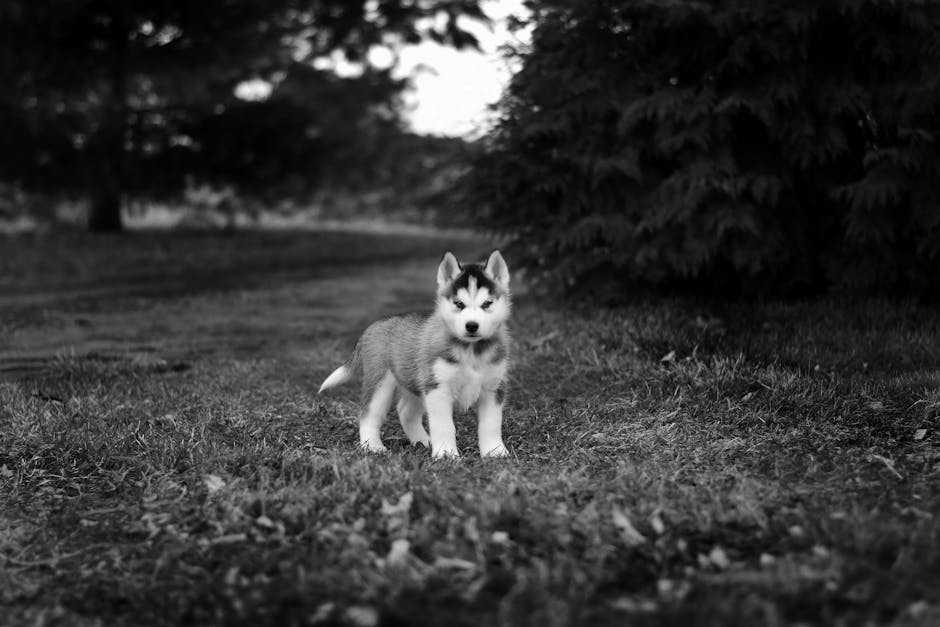
I noticed it first in the mornings, that almost imperceptible lag in his usually explosive wake-up routine; a moment of hesitation before stretching, a slight reluctance to bound off the orthopedic foam bed. My husky, usually a whirlwind of focused energy, would instead take an extra moment, his amber eyes scanning the room as if searching for a forgotten piece of motivation. His eager tail-wags, previously a full-body tremor, had subtly shortened, becoming more of a polite, contained swish against his flanks. The distinct sound of his paws trotting across the polished concrete floor, once a confident rhythmic percussion, softened into a more tentative patter, especially when rounding corners or descending the two steps into the sunroom. This wasn’t just a slow morning; it was a consistent deviation from his established joyous rituals, a new pattern of cautious movement replacing his characteristic exuberance. His engagement with the worn rope toy, an item usually met with immediate, vigorous tugging, would often involve a brief sniff, a half-hearted nudge with his snout, and then a quiet retreat to a sunbeam, leaving the toy abandoned on the rug. The very air around him, which typically buzzed with an invisible current of playful anticipation, felt heavier, imbued with an unfamiliar stillness that raised a prickle of unease on my skin. I began charting these minute behavioral changes, jotting down times and specific actions in a small notebook I now carried everywhere, like a detective documenting a quiet, unfolding mystery.
Decoding the Language of Withdrawal: My Immediate Response
Observing those initial, understated shifts in his demeanor immediately triggered my problem-solving instincts. I resolved to elevate my observational game, installing a spare *Arlo* Essential Spotlight Camera in the living area, focusing on his favorite napping spots and activity zones, to capture any movements or lack thereof I might miss during my own busy schedule. I wasn’t just watching; I was actively attempting to engage him, but with a nuanced approach, avoiding overwhelming him with forced play. Instead, I’d offer a gentle hand, extending it slowly, allowing him to initiate contact, rather than reaching for an immediate head scratch. His response to these invitations became a critical data point: sometimes a warm nudge, other times a mere glance, a fleeting acknowledgement before he’d settle back down. I began timing his periods of restlessness versus stillness, particularly during times he was typically most active, such as after our evening meal or before our scheduled walks. I also started noting the specific locations he chose to rest, observing a new preference for secluded, out-of-the-way spots under desks or behind chairs, positions offering more concealment than his usual open-floor lounging. The silence he maintained, a stark contrast to his usual array of sighs and grumbles, began to resonate deeply, creating an auditory void in our shared space. This quietude felt less like relaxation and more like an intentional retreat, a silent refusal to participate in the everyday symphony of our home life, confirming my growing suspicion that something was genuinely amiss beyond simple fatigue.
The Silent Narrative of Appetite: A Hard-Swallowed Truth
A significant, undeniable indicator emerged with his food. My husky, a creature whose enthusiasm for mealtime was usually legendary, started approaching his bowl with a noticeable lack of fervor. It wasn’t outright refusal at first, but a hesitance, a sniff, then a few desultory bites, leaving a considerable portion of his premium *Blue Buffalo* Wilderness kibble untouched, a scene completely alien to his typical ravenous consumption. The initial thought, a bitter taste in my mouth like burnt toast, was that he was simply being picky, a fleeting phase. However, as days turned into a week, the pattern solidified. He would lick the gravy off his wet food topper, leaving the solid chunks behind, a selective preference that spoke volumes about potential discomfort in chewing or swallowing. I distinctly remember bending down, my nose inches from his bowl, trying to discern any off-smell from the kibble, a primal instinct to rule out spoilage. The clinking sound of his tags against the ceramic bowl during these half-hearted attempts became a mournful soundtrack to my growing apprehension. His once glistening coat, though still beautiful, seemed to lose a subtle sheen, a visual cue confirming that perhaps his body wasn’t absorbing nutrients as efficiently. He began to drink more water than usual, then less, creating an erratic hydration pattern that added another layer of complexity to the puzzle. This inconsistent intake, both of food and water, suggested an internal struggle, a physiological disruption far beyond mere pickiness, pulling me into a deeper current of worry.
Beyond the Bowl: Practical Steps for Nutritional Assessment
Recognizing the gravity of his altered eating habits, I initiated a rigorous food and water intake tracking system. I purchased a digital kitchen scale, meticulously weighing his food before and after each meal, recording the exact consumption in a spreadsheet. I also used a marked water bowl, noting the depletion levels throughout the day and factoring in any spillage or accidental splashes. This objective data provided a clear, undeniable trend. To mitigate potential discomfort, I experimented with softening his kibble with warm water, making it easier to chew, or offering smaller, more frequent meals to entice him, hoping to stimulate his appetite without overwhelming him. I spent hours researching potential dietary triggers for appetite loss on trusted sites like *PetMD*, looking for common underlying health issues that might manifest this way. I even considered the specific bowl material, temporarily switching from ceramic to stainless steel, wondering if a subtle metallic aftertaste could be a factor, though this yielded no immediate change. My goal wasn’t just to get him to eat, but to understand *why* he wasn’t eating with his usual gusto. I paid close attention to his stool consistency and frequency, another vital piece of the digestive puzzle, as any irregularities there could point to malabsorption or gastrointestinal distress. The sheer volume of data I collected felt like building a complex biological map, each entry a clue, each change a potential path leading towards an answer, driven by a deep-seated need to alleviate his silent burden.
Unspoken Aches: Reading the Body’s Quiet Signals
The third, and perhaps most heart-wrenching, sign emerged through his physical posture and movement. I began to notice a slight, almost imperceptible stiffness in his gait, particularly after periods of rest. What was once a fluid, effortless rise from a nap became a more deliberate, segmented process, involving an initial struggle to lift his hindquarters before a full stand. The joyous, full-body shake, usually a vigorous release of energy after a deep sleep, shortened, ending abruptly, as if the movement itself caused discomfort. When he laid down, it wasn’t the usual soft thud, but a more controlled, almost ginger descent onto his side or chest, avoiding certain angles. I observed him repeatedly licking a specific spot on his front paw, a self-soothing gesture that, when prolonged, often indicates localized pain or irritation rather than simple grooming. The way he carried his tail, which previously rode high with confidence, now sometimes drooped slightly, a subtle signal of unease, lacking its usual vibrant curl. He also started avoiding his favorite, slightly elevated perch by the window, opting for lower, less challenging spots. I’d carefully run my hands over his joints and along his spine during our petting sessions, searching for any flinching, warmth, or swelling, a tactile reconnaissance mission fueled by anxiety. This nuanced language of his body, expressed through subtle shifts in posture and activity, became the most potent evidence yet that he was grappling with an internal ache, a private struggle he couldn’t articulate in words, yet clearly communicated through his guarded physical presence.
The Proactive Path: Preparing for Veterinary Consultation
With these accumulating observations, the path forward became unequivocally clear: a visit to the veterinarian was paramount. I dedicated an entire afternoon to consolidating all my notes, the behavioral logs, the food intake spreadsheets, and the timestamped video clips from the *Arlo* camera, organizing them into a chronological narrative. I meticulously listed every change I had documented, from the altered tail posture to the subtle hesitations during his morning stretches, ensuring no detail was overlooked. My aim was to present a comprehensive, data-driven report to the vet, moving beyond vague descriptions to concrete evidence. I drafted a list of specific questions, ranging from potential orthopedic issues to internal organ dysfunction, trying to anticipate all possibilities without self-diagnosing. I even researched typical diagnostic procedures for these symptoms, mentally preparing for blood tests, X-rays, or even more specialized imaging. This preparatory phase, though tinged with worry, felt empowering; it was my way of being a proactive advocate for his well-being, translating his silent suffering into actionable information. I marked my calendar for the appointment, blocking out the entire morning, visualizing the careful conversation I would have with the veterinary team, ready to articulate every subtle sign and every quiet signal he had given me, determined to unearth the root cause of his discomfort and guide him back to his full, vibrant self.
| Date Observed | Specific Anomaly Noted | Normal Baseline Behavior | Initial Action Taken | Follow-Up Observation/Result |
|---|---|---|---|---|
| 2026-03-01 | Hesitation to rise from bed (3-5 sec delay) | Immediate, fluid stand & stretch | Gentle verbal encouragement, observed for stiffness | Occurred 3/5 times over the day, no obvious limping initially |
| 2026-03-02 | Reduced interest in rope toy (nudge only) | Vigorous tugging, playful growls | Offered different toys, gentle interaction | Preferred resting over play, retreated to corner for nap |
| 2026-03-03 | Left 30% kibble untouched at breakfast | Bowl typically licked clean within 5 minutes | Weighed remaining food, offered smaller portion later | Ate only 60% of evening meal, drank more water than usual |
| 2026-03-04 | Prolonged paw licking (>2 mins, specific spot) | Brief, general grooming after naps | Inspected paw pads and between toes for injury/irritation | No visible injury, but repeated behavior throughout the day |
| 2026-03-05 | Strained posture when settling down | Relaxed flop onto side or belly | Observed joint flexibility, no obvious pain response to touch | Avoided favorite elevated window perch, opted for floor |
| 2026-03-06 | Tail held slightly lower than usual (less curl) | High, confident curl with active wagging | Monitored for other signs of anxiety or discomfort | Overall subdued demeanor, less vocal interaction |
Expert FAQs: Identifying Silent Canine Discomfort
-
Q: How can I differentiate normal age-related slowing from subtle pain in an older dog?
A: I meticulously track baseline activity levels, noting declines in enthusiasm for familiar routines rather than just overall speed. A truly new sign is hesitation before common movements like jumping onto the couch, which often points to physical discomfort over simple fatigue.
-
Q: What are some less obvious indicators of digestive distress that owners might overlook?
A: Beyond obvious vomiting, I watch for unusual lip-licking, gulping motions outside of drinking, or subtle changes in stool consistency that aren’t quite diarrhea but aren’t firm either. These are often early, silent cues before more overt symptoms appear.
-
Q: Can changes in a dog’s grooming habits signal underlying health issues?
A: Absolutely. My dogs become less meticulous with self-grooming when experiencing discomfort, sometimes leaving matted patches they’d normally fix. Conversely, excessive licking or chewing at a specific spot without visible skin irritation could also indicate localized pain or itchiness.
-
Q: When should I consider advanced diagnostic imaging, like an MRI, for undiagnosed pain?
A: If your veterinarian has exhausted standard diagnostics and your dog still exhibits persistent, unexplained pain, I believe pushing for advanced imaging is crucial. Sometimes, internal soft tissue injuries or neurological issues only become apparent with specialized tools like an MRI.
-
Q: Are there specific dietary supplements that can proactively support joint health in active dogs?
A: For my high-energy dogs, I’ve found that incorporating glucosamine and chondroitin supplements, often alongside Omega-3 fatty acids, provides excellent proactive joint support, especially as they mature. Always discuss precise dosages with your vet.
-
Q: What’s the best approach to managing a dog’s anxiety when they’re already in pain?
A: Creating a calm, predictable environment is paramount. I use calming pheromone diffusers, like *Adaptil*, and maintain a consistent daily schedule, avoiding sudden loud noises or unfamiliar visitors to minimize stress response in an already compromised dog.
Conclusion
What a journey it has been, unraveling the silent language of our beloved canine companions. I started this blog to share my personal insights, often born from moments of profound realization, about how our dogs communicate their inner world to us. This exploration into the subtle cues of discomfort has truly deepened my understanding of pet ownership, transforming it from a simple act of care into an ongoing commitment of vigilant observation and proactive empathy.
The insidious nature of silent pain is something every dog owner eventually confronts. It isn’t always a dramatic limp or a vocal cry; sometimes, it’s merely a slight hesitation, a flicker of apprehension in their eyes, or a minuscule shift in their daily routine. These are the moments I’ve learned to treasure, the quiet invitations to look closer, to delve deeper into what might be truly happening beneath their stoic facade. My experiences have taught me that relying solely on overt symptoms means we’ve often waited too long. The true art lies in recognizing the whispers before they become shouts.
This blog isn’t just about identifying problems; it’s about fostering a more profound bond built on mutual understanding. When you begin to decipher these subtle signals, you aren’t just a caregiver; you become an interpreter, a protector attuned to the most delicate nuances of your dog’s well-being. It’s a rewarding, albeit sometimes challenging, endeavor. The emotional weight of knowing your dog might be hurting, even subtly, can be heavy. But the relief that washes over you when you finally connect the dots, when you provide the comfort or medical attention they so desperately need, is immeasurable.
I’ve come to believe that owning a dog is a lifelong education. Every day brings new lessons, new opportunities to refine our observational skills and strengthen our connection. There’s no single textbook that covers every scenario, no perfect checklist that guarantees immediate answers. It’s a fluid, dynamic process, demanding patience, an open mind, and an unwavering commitment to their welfare. My veterinary clinic, ‘Happy Tails Animal Hospital’, has been an invaluable partner in this learning journey, providing expertise and guidance when my observations needed professional confirmation. Their support has consistently underscored the importance of integrating astute owner observation with professional medical insight.
The insights I’ve shared throughout this series aren’t just theoretical; they stem from real-life situations, from my daily interactions with my own dogs. They represent countless hours of watching, learning, and sometimes, agonizing over how best to ensure their happiness and health. The commitment to providing them the best possible life extends beyond food and shelter; it encompasses a deep vigilance for their comfort and an eagerness to act when something feels amiss. This journey is far from over for me, or for any dedicated pet parent. It’s a continuous loop of learning, observing, and responding with love. We owe it to them, our loyal companions, to be their voice when they cannot speak and their shield when they are vulnerable.
But I had no idea what was waiting for me tomorrow… To be continued
More from my personal diary:
Share This Article
Further Reading & Resources
To explore more in-depth information regarding husky, we recommend these trusted resources:
Important Note: The information provided on this website is for educational and informational purposes only and does not constitute medical, health, fitness, financial, or legal advice. Always consult with a qualified professional or physician before starting any new exercise program or making significant decisions based on this content.