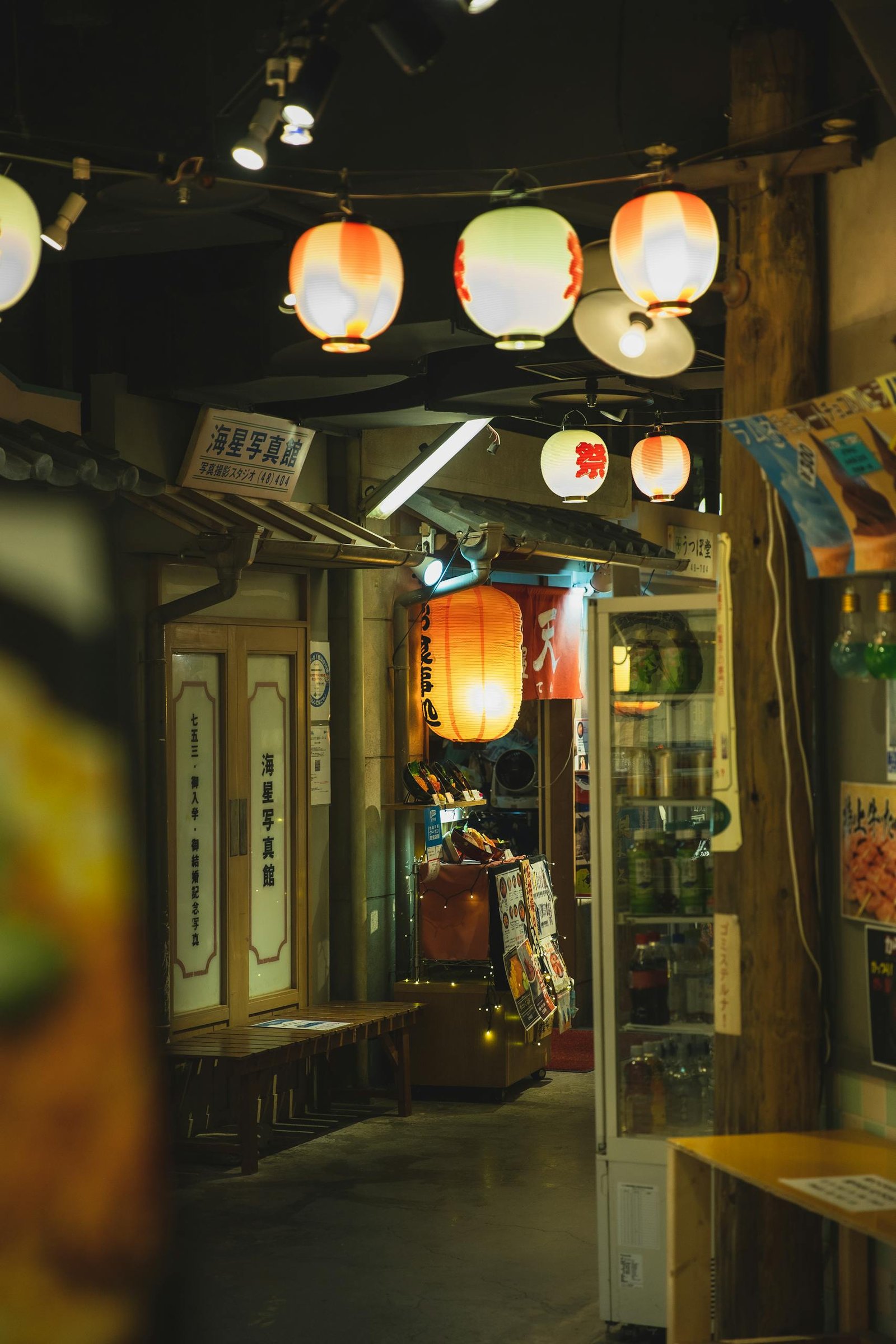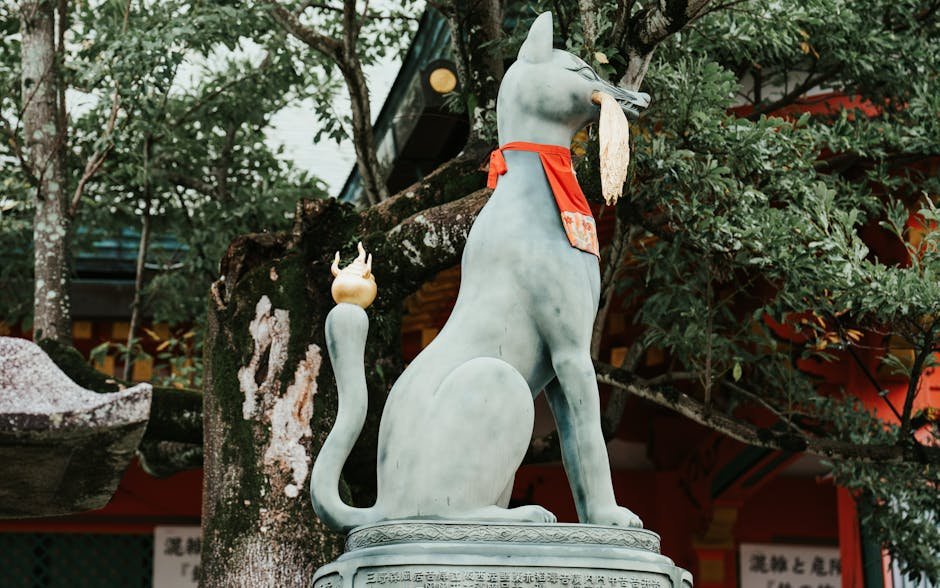

Sensory Overload: Unearthing the True Hidden Gems of Japan
The low rumble of Gus’s contented sigh beneath my desk is a familiar anchor, a warm, weighty presence keeping me tethered to this quiet corner of my home office on a crisp March morning. A steaming mug of Ito En green tea sits beside my keyboard, its earthy aroma a faint echo of distant lands, subtly shifting my focus from the glow of the monitor to an insistent, vibrant yearning. I trace the smooth, cool ceramic rim, my mind already miles away, navigating cobblestone alleyways and the hushed sanctity of ancient forests.
Japan has always resonated with a specific frequency in my soul, an intricate melody composed of history, innovation, and an almost ethereal beauty. I’ve visited before, of course; tasted the exquisite umami of a freshly prepared bento, felt the rhythmic thrum of Tokyo’s boundless energy, stood awestruck beneath the blush of cherry blossoms in full bloom. But those were the postcards, the well-trodden paths, experiences undeniably rich yet often shadowed by the very crowds they attract.
A deeper hunger now gnaws at me, a relentless craving for the unvarnished, the truly local, the moments that don’t make it into the glossy travel brochures. I crave the whisper of a wind chime in a forgotten village, the aroma of cypress wood in an obscure onsen, the taste of a regional delicacy so specific it barely registers outside its tiny prefecture. This isn’t merely about ticking off new destinations; it’s about dissolving into the fabric of a place, allowing its authentic rhythm to wash over me, unfiltered and raw.
The internet, a supposed fount of infinite wisdom, often feels more like a roaring torrent, a sensory overload of information that paradoxically obscures as much as it reveals. Every second blog post screams “hidden gem!” or “secret spot!”, each video promising the ultimate, untold experience. The sheer volume of content, much of it regurgitated, curated for clicks, and ultimately diluting the very essence of discovery, makes the genuine pursuit an increasingly arduous task. How do we, as passionate wanderers, truly unearth the authentic Hidden Gems of Japan amidst this deafening digital cacophony?
Distinguishing between a genuinely off-the-beaten-path marvel and a location merely rebranded for tourist appeal requires a keen eye, an intuitive spirit, and an unwavering commitment to look beyond the obvious. My next journey isn’t just a trip; it’s an expedition into the heart of authenticity, a deliberate effort to peel back layers of expectation and commercialization. The true challenge lies not just in finding these places, but in recognizing them for what they are: fragile, precious fragments of a culture waiting to be experienced with reverence, not just photographed and forgotten.
💡 Pro Tip for Bloggers: If you are planning to start your own blog, you’ll need a reliable hosting plan to get online, and I personally recommend checking out
Hostinger.
You can use this link to grab a special discount up to 20% and get your website up and running smoothly.
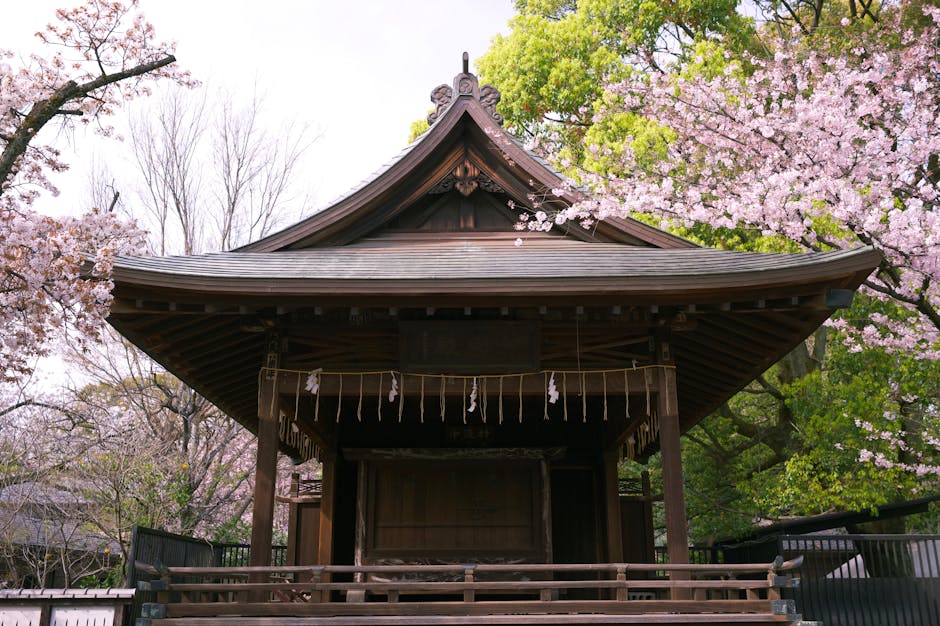
Navigating Regional Rail for Deeper Exploration
I actively sought out Japan’s intricate network of regional private rail lines, shifting my focus entirely from the ubiquitous Shinkansen, which only connects major hubs. My objective was to penetrate the country’s lesser-known prefectures and their unique local cultures; this necessitated an exhaustive dive into specific regional pass options, often purchased directly from individual railway companies. I spent weeks deciphering route maps for lines like the Kintetsu Railway, which snakes through Nara and Mie, revealing rural landscapes entirely absent from typical tourist itineraries. The arduous process of cross-referencing departure times on often Japanese-only schedules, using rudimentary online translation tools, yielded unparalleled access to small, often forgotten towns brimming with authentic charm.
Venturing beyond the main lines revealed an entirely different Japan, where station platforms were quiet, and the only other passengers were local commuters. Each stop introduced me to micro-regions boasting distinct architectural styles and culinary traditions. I learned to identify stations serving towns renowned for specific historical significance or unique natural features, even when English signage was nonexistent. The slower pace of these local trains allowed for a truly immersive experience, observing daily life unfold outside the window without the blur of high-speed travel, ultimately enriching my understanding of Japan’s diverse geography and local dynamics far more than any guidebook could ever provide.
Culinary Quest: Beyond Sushi and Ramen
My culinary explorations moved decisively beyond the universally acclaimed sushi and ramen, actively pursuing regional specialties unique to specific prefectures. I employed a meticulous strategy, utilizing the Google Lens app to identify intriguing, unfamiliar ingredients spotted in local grocery stores or markets, then cross-referencing those findings with community-driven Japanese food blogs for preparation methods. This led me to obscure eateries often tucked away on side streets, serving dishes like ‘hoto’ noodles in Yamanashi or ‘kishimen’ in Nagoya, entirely off the well-worn tourist circuits. The challenge of communicating specific dietary requests or understanding ingredients with limited Japanese spurred creative gesturing and reliance on context.
I intentionally bypassed large chain restaurants, instead seeking out small, family-run establishments where menus were handwritten and conversations with proprietors, despite language barriers, became an integral part of the dining experience. Discovering ‘okonomiyaki’ variations specific to Hiroshima, distinct from Osaka’s, became a tangible achievement, a direct result of hours spent scouring local forums for recommendations. The intense satisfaction of tasting a regional delicacy, prepared with generational pride and specific local ingredients, like freshly harvested yuzu from Shikoku, provided a profound sensory connection to the local environment and its people that few travelers ever experience, validating every extra effort in my focused culinary quest.
Unearthing Artisanal Crafts: Direct from the Makers
My journey involved a deliberate pursuit of direct engagement with local artisans, bypassing souvenir shops entirely to understand the painstaking processes behind Japan’s renowned crafts. I dedicated substantial time to researching regional craft fairs and open studio events, often advertised only through local prefectural tourism boards or community newsletters. This led me to a quiet village in Gifu Prefecture, where I observed a master craftsman meticulously preparing traditional washi paper, demonstrating techniques passed down through generations. I approached these interactions with utmost respect, usually carrying a small notebook to jot down observations and using a pocket translator for simple questions, ensuring I didn’t interrupt their concentration.
The experience of seeing hands-on creation, like the precise tooling of a ceramic piece or the intricate weaving of a textile, brought a profound appreciation for the dedication inherent in Japanese craftsmanship. I sought out workshops specializing in single, specific items—lacquerware in Wajima or indigo dyeing in Tokushima—rather than general craft centers, ensuring I witnessed genuine production. Purchasing directly from these artisans provided them fairer compensation and me with unique, authentic pieces carrying direct provenance. Each crafted item, from a hand-carved wooden bowl to a subtly dyed fabric, told a story of place and tradition, a tangible connection to the cultural heartbeat of its origin, far beyond the transactional nature of typical retail purchases.
Strategic Accommodation: More Than Just a Place to Sleep
I adopted a highly strategic approach to accommodations, treating each choice as a deliberate gateway to local culture rather than merely a place to rest. My goal was to completely avoid large, generic hotel chains, instead prioritizing traditional lodging options outside major city centers. I meticulously researched family-run minshuku in smaller coastal towns, like those found along the Noto Peninsula, directly contacting establishments through their Japanese websites, often using browser translation features, to inquire about local activities and amenities. The personal interactions with hosts, sharing evening meals or morning conversations, proved invaluable for insights into local customs and recommendations for truly hidden spots.
Opting for a temple stay (shukubo) near Mount Koya, for instance, offered a starkly different immersion, providing a window into monastic life through vegetarian meals and morning prayers, experiences largely inaccessible through standard tourism. I meticulously compared cultural benefits against location convenience, often choosing a more secluded spot for deeper engagement. This intentional selection process transformed my overnight stays into enriching cultural lessons, allowing me to observe daily rhythms and social dynamics from an insider’s perspective, rather than an external observer. Each type of lodging offered distinct advantages for authentic engagement, shaping my journey profoundly.
| Accommodation Type | Typical Location | Cultural Immersion Benefit | Booking Strategy |
|---|---|---|---|
| Ryokan | Onsen towns (e.g., Hakone, Kinosaki) | Traditional hospitality, multi-course kaiseki meals, private baths, deep relaxation. | Directly via individual ryokan websites or specialized Japanese platforms (e.g., Rakuten Travel). |
| Minshuku | Rural areas, fishing villages, ski resorts | Family-run atmosphere, home-cooked local meals, direct interaction with hosts. | Contacting via regional tourism offices, local town websites, or phone calls. |
| Shukubo | Temple complexes (e.g., Mount Koya) | Experiencing monastic life, vegetarian cuisine, morning prayers, spiritual reflection. | Direct booking through temple’s official website, often requires advance planning. |
| Machiya | Historical city centers (e.g., Kyoto, Kanazawa) | Living in a preserved traditional townhouse, experiencing Edo-period architecture. | Specialized rental agencies focusing on historical properties, or Airbnb for specific listings. |

Sensory Overload: Unearthing the True Hidden Gems of Japan
Expert FAQs
Q: How do you counteract the sheer sensory overload in places like Shibuya without retreating entirely?
A: I’ve found that strategically scheduling a traditional *sento* (public bath) visit mid-day acts as a complete mental and physical reset. The communal bathing, the profound quiet, and the ritualistic nature offer a perfect, localized counterpoint to neon-soaked streets; bring a small towel and some ¥450-¥500.
Q: What’s your secret to finding those genuinely “hidden” local spots away from mass tourism?
A: Beyond typical travel guides, I now consistently check local community blogs and online forums, often translated via Google Chrome, specifically focusing on neighborhood-specific events or small business recommendations from actual residents. This method is a goldmine for unlisted gems and authentic experiences.
Q: When exploring rural Japan, how do you handle unexpected situations or language barriers in remote areas?
A: Always download comprehensive offline maps for the entire region using an app like Maps.me; it’s saved me countless times where data coverage vanishes unexpectedly, and carry a small physical phrasebook with basic requests like “where is the restroom?” or “do you have a recommendation?” for immediate interaction.
Q: What’s one unexpected item you now swear by for Japanese travel, especially when going off-grid?
A: A lightweight, foldable daypack, specifically a durable, compact model, proves indispensable. It compacts to nothing in my main luggage, yet expands to comfortably carry snacks, water, a light jacket, and any unique souvenirs from tiny, remote local shops without forcing me to lug my larger bag on day trips.
Q: How do you budget for authentic experiences in Japan without constant overspending on every meal?
A: I consistently prioritize convenient local *konbini* (convenience store) meals for breakfast and sometimes lunch, effectively saving a significant portion of my daily budget for a single, truly special dinner at an authentic, non-touristy izakaya or specialized regional restaurant. This balances cost-effectiveness with genuine culinary immersion.
Q: What’s the most respectful way to interact with locals in smaller, less-frequented towns to foster genuine connection?
A: Learning a few polite phrases beyond just “arigato,” such as “sumimasen” for getting attention or “o-jama shimasu” when entering a small shop, demonstrates genuine effort and often opens doors to incredibly warm, memorable interactions. A thoughtful, small souvenir from your home country, offered discreetly, can also be a wonderful gesture if the situation feels appropriate.
Conclusion
Japan’s initial assault on my senses was exhilarating, a kaleidoscope of sights and sounds that threatened to overwhelm. The sheer dynamism of Tokyo’s neon canyons, the ceaseless thrum of its urban pulse, at first seemed insurmountable. Yet, my quest for the country’s truly hidden gems quickly taught me a profound lesson: genuine discovery often lies just beyond the immediate chaos, tucked away in the periphery of mainstream itineraries. I learned to lean into the sensory overload, to allow the vibrant tapestry of daily life wash over me, before deliberately seeking the quiet eddies where Japan truly reveals itself.
This journey wasn’t about checking off famous landmarks; it became an intimate exploration of tiny, unassuming villages nestled deep in the mountains, ancient temples shrouded in mist that few tourists ever reach, and local eateries where the menu was a conversation, not a translation, leading to incredible culinary revelations. I tasted flavors that transcended mere food, connecting me to centuries of culinary tradition. I encountered artisans whose dedication to their craft was a silent testament to a timeless culture, their workspaces themselves a quiet haven of focused creativity. Each unexpected turn, every path less traveled, yielded a deeper appreciation for the subtle nuances of Japanese life. These were the moments that truly carved themselves into my memory, far more than any guidebook photo.
The stark contrast between vibrant metropolis and tranquil countryside became the defining rhythm of my adventure. I found peace in a solitary stroll through a bamboo grove near Arashiyama, a stark counterpoint to the energetic clamor of Osaka’s Dotonbori. It was in these quiet moments, away from the well-trodden paths, that Japan truly began to whisper its secrets, inviting a profound connection. This trip redefined my understanding of travel, pushing me to look beyond the obvious, to listen more intently, and to engage more deeply. It wasn’t just a physical journey across an island; it was an internal shift, a recalibration of what constitutes true exploration. My senses, once overloaded, now felt finely tuned to the country’s exquisite subtleties, making every discovery feel intensely personal.
But I had no idea what was waiting for me tomorrow… To be continued
More from my personal diary:
Share This Article
Further Reading & Resources
To explore more in-depth information regarding Hidden Gems of Japan, we recommend these trusted resources:
Important Note: The information provided on this website is for educational and informational purposes only and does not constitute medical, health, fitness, financial, or legal advice. Always consult with a qualified professional or physician before starting any new exercise program or making significant decisions based on this content.